Improve internet security or face the music is a critical issue in today’s digital age. Cyberattacks are becoming increasingly sophisticated, targeting individuals and businesses alike. Understanding the ever-evolving threat landscape is paramount to safeguarding your online presence and protecting valuable data. This exploration delves into practical steps for individuals and organizations to bolster their digital defenses, from creating strong passwords to implementing robust security protocols.
This guide examines the multifaceted nature of internet security, covering everything from the evolving tactics of cybercriminals to the cost of neglecting security measures. We’ll explore the essential practices for both personal and business use, including strategies to recognize and avoid phishing scams, the importance of software updates, and the need for regular security audits. The potential financial and reputational damage caused by data breaches will also be highlighted.
Understanding the Threat Landscape
The internet, while a powerful tool for communication and commerce, is also a breeding ground for malicious actors. The ever-evolving threat landscape demands a constant vigilance and understanding of the tactics employed by cybercriminals. This necessitates a comprehensive approach to security, encompassing both individual and organizational strategies.
Current Internet Security Threats
The current threat landscape is characterized by a confluence of sophisticated attacks targeting individuals and organizations. Malware, phishing, and ransomware remain prevalent, but new techniques and attack vectors are constantly emerging. The rise of social engineering tactics, leveraging psychological vulnerabilities, has made it increasingly difficult to discern genuine from fraudulent communications.
Evolution of Cyberattacks
Cyberattacks have evolved from simple denial-of-service attacks to complex, multi-stage operations. Attackers are increasingly sophisticated, employing advanced techniques like exploiting zero-day vulnerabilities and employing polymorphic malware that can adapt and evade detection. The rise of automation and the use of botnets have amplified the scale and speed of attacks. This evolution demands that security measures also adapt to stay ahead of the curve.
Types of Cyberattacks
Cyberattacks targeting individuals and businesses manifest in various forms. Phishing attempts aim to steal credentials, ransomware encrypts data for ransom, and malware infects systems to gain unauthorized access. Supply chain attacks target vulnerabilities in the broader ecosystem, while insider threats pose a significant risk from within an organization. Social engineering attacks, leveraging human psychology, exploit trust and naiveté.
It’s a no-brainer: improve internet security or face the music. With online commerce booming, companies like VeriSign are stepping up their game, implementing enhanced security measures like those detailed in VeriSign puts clamp one commerce security. This proactive approach is crucial to maintaining trust and avoiding potential financial and reputational damage. Ultimately, robust security measures are essential for a healthy digital ecosystem.
Examples of Cyberattacks
Numerous successful attacks highlight the increasing sophistication of cybercriminals. The NotPetya ransomware attack, which spread rapidly across systems, exemplifies the devastating impact of targeted supply chain attacks. Successful phishing campaigns, often disguised as legitimate communications, demonstrate the effectiveness of social engineering tactics. Conversely, unsuccessful attacks often expose vulnerabilities in the target’s security posture. These cases underscore the need for robust security measures to protect against these threats.
Impact of Attack Vectors on Various Industries
The impact of cyberattacks varies significantly across industries, depending on the criticality of data and the operational reliance on digital systems.
| Attack Vector | Impact on Healthcare | Impact on Finance | Impact on Manufacturing |
|---|---|---|---|
| Ransomware | Disruption of patient care, potential loss of sensitive patient data. | Financial losses, reputational damage, potential disruption of financial transactions. | Production halt, disruption of supply chains, potential loss of sensitive intellectual property. |
| Phishing | Compromised patient data, unauthorized access to medical records. | Fraudulent transactions, financial losses, theft of sensitive financial information. | Unauthorized access to sensitive manufacturing data, compromised supply chain security. |
| Malware | Data breaches, disruption of electronic health records, operational inefficiency. | Data breaches, fraudulent transactions, operational disruption. | Production halt, sabotage of equipment, potential loss of sensitive manufacturing data. |
Essential Security Practices
Protecting your online presence requires more than just awareness of threats. It demands proactive measures to safeguard your data and accounts. These essential practices, when implemented diligently, significantly reduce your vulnerability to cyberattacks. Strong passwords, vigilant account management, and a robust security posture are crucial for maintaining a safe online environment.
Creating Strong Passwords and Managing Accounts Securely
Strong passwords are the first line of defense against unauthorized access. Avoid easily guessed passwords like birthdays, names, or common phrases. Instead, use a combination of uppercase and lowercase letters, numbers, and symbols. A longer password is generally more secure. Consider using a password manager to generate and store complex passwords for multiple accounts.
Enable two-factor authentication (2FA) whenever possible. This adds an extra layer of security, requiring a code sent to your phone or email in addition to your password. Regularly review your accounts for suspicious activity and promptly change passwords if you suspect a breach.
Recognizing and Avoiding Phishing Scams and Social Engineering Tactics
Phishing scams exploit human psychology to trick individuals into revealing sensitive information. These scams often involve deceptive emails, messages, or websites that mimic legitimate organizations. Be wary of emails or messages asking for personal information, especially passwords, bank details, or social security numbers. Verify the sender’s authenticity before clicking links or downloading attachments. Look for inconsistencies in the email’s language, grammar, or formatting.
Social engineering tactics leverage psychological manipulation to gain access to information. Be cautious about requests for confidential data from unknown sources. Exercise skepticism and verify the legitimacy of any request.
Importance of Software Updates and Antivirus/Antimalware Protection
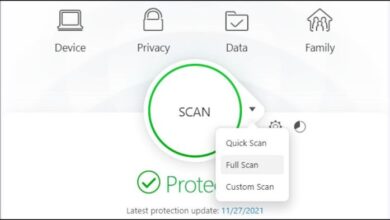
Software updates often contain critical security patches that address vulnerabilities. Regularly updating your operating system, web browsers, and applications is essential to protect against known exploits. Antivirus and antimalware software act as a shield against malicious programs like viruses, spyware, and ransomware. These programs detect and remove threats from your system. Keeping your antivirus/antimalware software up-to-date is equally crucial.
Ensure your security software is actively scanning your system for potential threats.
Regular Security Audits and Vulnerability Assessments
Regular security audits and vulnerability assessments are proactive steps to identify potential weaknesses in your security posture. These assessments can uncover vulnerabilities in your systems and networks before attackers exploit them. Professional security audits provide a comprehensive evaluation of your security practices. They identify areas needing improvement and recommend strategies for enhanced protection. They can assess the efficacy of your current security protocols, such as firewalls, intrusion detection systems, and access controls.
Securing Home Networks
Properly securing your home network is vital for protecting your devices and data. A strong and unique Wi-Fi password is essential. Change your default Wi-Fi password to a complex, hard-to-guess combination. Enable encryption (WPA2 or WPA3) to secure your wireless connection. Use a firewall to control network traffic and block unauthorized access.
Restrict access to your network by using strong passwords and limiting access to specific devices. This table Artikels the steps you can take to secure your home network:
| Step | Action |
|---|---|
| 1 | Change your Wi-Fi password to a strong, unique combination. |
| 2 | Enable encryption (WPA2 or WPA3) on your Wi-Fi router. |
| 3 | Use a firewall to control network traffic. |
| 4 | Restrict access to your network by using strong passwords and limiting access to specific devices. |
| 5 | Keep your router’s firmware updated. |
Security Measures for Businesses: Improve Internet Security Or Face The Music
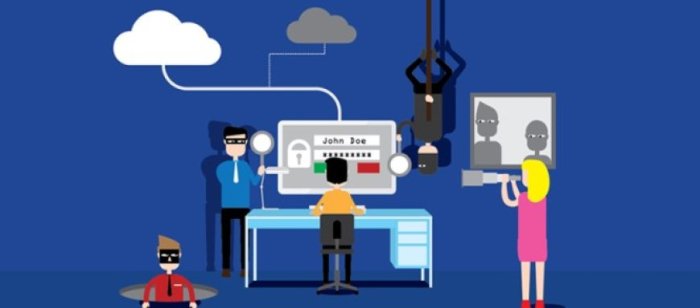
Protecting your business from cyber threats requires a proactive and layered approach. Ignoring security risks can lead to significant financial losses, reputational damage, and even legal ramifications. A robust security posture is crucial for maintaining operational continuity and safeguarding sensitive data.
Multi-Factor Authentication (MFA)
Implementing MFA for all accounts is a critical security measure. Requiring multiple forms of verification (e.g., password, security token, biometric scan) significantly reduces the risk of unauthorized access. This layered approach makes it harder for attackers to gain access even if they obtain a user’s password. By adding an extra layer of security, MFA substantially strengthens the overall security posture of the business.
Data Encryption and Access Control, Improve internet security or face the music
Robust data encryption and access control policies are essential for protecting sensitive information. Encrypting data both in transit and at rest ensures that even if a breach occurs, the data remains unreadable to unauthorized individuals. Strict access control policies, limiting access to only those who need it, minimize the potential damage from insider threats or malicious actors. This combination of measures helps protect confidential information.
Security Protocols for Remote Access and VPNs
Security protocols for remote access and VPNs are vital for secure connections when employees work remotely. Virtual Private Networks (VPNs) create encrypted tunnels over public networks, ensuring the confidentiality and integrity of data transmitted between employees and the company’s network. Secure remote access protocols, like SSH or RDP, with strong authentication mechanisms, further enhance the security of remote connections.
Using strong encryption and robust authentication mechanisms safeguards sensitive data transmitted during remote access.
Employee Training and Awareness Programs
Employee training and awareness programs are crucial for fostering a security-conscious culture within the organization. Educating employees about phishing scams, social engineering tactics, and other security risks empowers them to recognize and avoid potential threats. Regular training sessions can help maintain awareness and keep employees informed about emerging threats and best practices. This proactive approach strengthens the company’s defenses by reducing the likelihood of human error leading to security breaches.
Security Controls for Different Business Sizes
The security controls required for a business depend on its size and complexity. Smaller businesses might not require the same level of sophistication as larger corporations. However, all businesses must prioritize security measures. A table outlining security controls tailored to different business sizes is presented below.
| Business Size | Security Controls |
|---|---|
| Small Business (1-50 employees) | Basic MFA, strong passwords, data encryption, firewalls, regular software updates, employee training |
| Medium Business (51-250 employees) | Advanced MFA, robust encryption protocols, intrusion detection systems, access control lists, incident response plan, advanced employee training |
| Large Business (251+ employees) | Multi-layered security systems, advanced encryption and decryption, dedicated security teams, continuous monitoring, penetration testing, compliance with industry standards |
The Cost of Neglecting Security
Ignoring cybersecurity risks can have devastating financial and reputational consequences for businesses and individuals. From hefty fines to irreparable damage to brand trust, the price of inadequate security measures is often far greater than the cost of implementing robust protection. This section delves into the multifaceted implications of neglecting security, providing real-world examples to illustrate the true magnitude of these costs.
Financial Implications of a Data Breach
Data breaches are costly, impacting not only direct financial losses but also indirect expenses. Direct costs encompass the expense of notifying affected individuals, paying for forensic investigations, and potential legal fees. Indirect costs include lost productivity, decreased customer confidence, and the cost of rebuilding trust. The financial impact can extend to a significant loss of revenue, both immediate and long-term, as customers may lose faith in the organization.
Case Studies Demonstrating the Impact of Security Breaches
Numerous case studies demonstrate the substantial impact of security breaches. For instance, the Target data breach of 2013 resulted in significant financial losses due to credit card fraud and substantial costs associated with the investigation and remediation efforts. Similarly, the Equifax breach exposed sensitive personal information of millions, causing substantial financial and reputational damage to the company. These examples highlight the severe financial consequences that can arise from inadequate security measures.
Reputational Damage Caused by Security Incidents
Security breaches can severely damage an organization’s reputation, leading to a loss of customer trust and brand loyalty. Customers may be hesitant to engage with businesses that have demonstrated a vulnerability to security threats, resulting in a decline in sales and market share. A tarnished reputation can take years to rebuild, and the damage can be irreversible.
Staying safe online is crucial. Ignoring internet security risks can lead to serious consequences, potentially impacting your personal and professional life. Fortunately, understanding the latest security measures is key, and an insightful look into the future of cybersecurity can be found in this exclusive interview inside necx direct, offering a fresh perspective on how businesses can better protect themselves.
exclusive interview inside necx direct. Ultimately, prioritizing internet security is not just a good idea, it’s a necessity in today’s digital world.
Legal and Regulatory Ramifications of Insufficient Security Measures
Insufficient security measures can lead to legal and regulatory issues, potentially resulting in significant fines and penalties. Data privacy regulations, such as GDPR and CCPA, impose strict requirements on organizations to protect user data. Failure to comply can lead to substantial penalties, impacting profitability and potentially forcing the organization to cease operations. Organizations must prioritize data security to avoid these repercussions.
Table Comparing Potential Losses from Various Security Breaches
| Type of Breach | Financial Losses (Estimated) | Reputational Impact | Legal Ramifications |
|---|---|---|---|
| Phishing Campaign | $5,000 – $100,000 (depending on scale and sophistication) | Moderate to significant, depending on the scale of the campaign | Potential fines if data privacy regulations are violated |
| Malware Infection | $10,000 – $1,000,000+ (depending on the type of malware and the extent of the infection) | Moderate to severe, depending on the scope of the infection | Potential fines if data privacy regulations are violated, legal action from affected parties |
| Data Breach (Large-Scale) | Millions to Billions of Dollars (depending on the nature and scope of the breach) | Severe and potentially irreversible | Significant fines, lawsuits, regulatory investigations, and potential criminal charges |
This table illustrates the potential scale of losses associated with various security breaches, emphasizing the importance of proactive security measures. The financial impact can be substantial, varying significantly depending on the nature and scope of the breach.
Emerging Trends in Internet Security
The digital landscape is constantly evolving, bringing with it new threats and vulnerabilities. Staying ahead of these emerging trends is crucial for individuals and organizations alike. This necessitates a proactive approach to security, moving beyond traditional defenses to embrace innovative strategies and technologies. Adapting to the ever-changing threat landscape requires a deep understanding of the evolving tactics employed by cybercriminals.The cyber security landscape is no longer static.
New threats, often leveraging existing technologies in novel ways, emerge with alarming regularity. Understanding the drivers behind these emerging trends is key to mitigating their impact. This involves recognizing the motivations of attackers, the vulnerabilities they exploit, and the evolving tools they employ.
Artificial Intelligence in Cybersecurity and Cyberattacks
Artificial intelligence (AI) is rapidly transforming the digital world, impacting both cybersecurity and cyberattacks. AI is being used to enhance the capabilities of both defenders and attackers, creating a dynamic and complex interplay. The use of AI in cybersecurity is crucial for automating tasks, identifying threats, and responding to attacks in real-time. Conversely, AI is being leveraged by malicious actors to create more sophisticated and targeted attacks.
Examples include the creation of deepfakes for phishing campaigns, or automated malware generation. The deployment of AI-powered tools for threat detection and response is becoming increasingly common, demonstrating the growing importance of AI in cybersecurity.
Impact of the Internet of Things (IoT) on Overall Security
The proliferation of Internet of Things (IoT) devices has significantly increased the attack surface for cybercriminals. The interconnected nature of these devices presents unique security challenges, often involving vulnerabilities in design, implementation, or maintenance. The security of a smart home system, for example, is interconnected with the security of other devices on the network. A breach of one system can potentially compromise the entire network.
A common vulnerability in IoT devices is the use of weak default passwords, which are easily guessed or cracked. This lack of security measures can have significant consequences.
Evolving Nature of Ransomware Attacks
Ransomware attacks are becoming more sophisticated and targeted, often leveraging vulnerabilities in software or exploiting specific organizational weaknesses. The increasing sophistication of ransomware attacks necessitates a comprehensive approach to security, including robust endpoint protection, network security, and user training. Recent attacks have targeted not only individuals but also critical infrastructure, highlighting the potentially catastrophic consequences of a successful ransomware attack.
Different Approaches to Protecting Against Emerging Threats
A multi-layered approach to security is essential in mitigating the evolving threats. This involves integrating multiple security tools and strategies, employing a layered approach, and focusing on prevention, detection, and response. One approach focuses on proactive security measures, like vulnerability assessments and penetration testing. Another emphasizes incident response capabilities, ensuring swift and effective action when a breach occurs.
Different organizations will employ different approaches based on their specific needs and resources. For instance, small businesses may prioritize preventative measures, while large corporations may prioritize both prevention and rapid response. A robust security posture is critical to mitigate the growing sophistication of cyber threats.
Building a Secure Online Presence
Protecting your digital footprint is crucial in today’s interconnected world. A secure online presence safeguards your personal information, financial data, and reputation from malicious actors. This involves adopting proactive measures and understanding the potential risks associated with online activities.
Strong Passwords and Regular Changes
Strong passwords are the first line of defense against unauthorized access. Weak passwords are easily cracked, potentially exposing sensitive information. Creating complex passwords that are difficult to guess is paramount. These should incorporate a mix of uppercase and lowercase letters, numbers, and symbols. Regular password changes are equally important, especially if you suspect a breach or if you’ve used the same password across multiple accounts.
Using HTTPS and Secure Websites
The HTTPS protocol is essential for secure communication between your browser and a website. The “S” in HTTPS signifies that the connection is encrypted, protecting your data from interception. Websites using HTTPS typically display a padlock icon in the address bar. Always look for this symbol when entering sensitive information. Avoid websites without HTTPS, as they may be vulnerable to man-in-the-middle attacks.
Caution on Public Wi-Fi Networks
Public Wi-Fi networks are often unsecured, making them a prime target for hackers. Avoid accessing sensitive accounts or conducting financial transactions on public Wi-Fi. If you must use public Wi-Fi, use a Virtual Private Network (VPN) to encrypt your connection and protect your data. A VPN creates a secure tunnel between your device and the internet, masking your IP address and encrypting your traffic.
Hey everyone, it’s crucial to beef up your internet security. Ignoring it is simply asking for trouble. Recent news about Forrester joining the website rating game ( forrester joins web site rating game ) highlights the growing importance of online safety. This new initiative should push websites to prioritize security, which directly impacts us all. So, buckle up and start securing your online presence, or face the consequences.
Safe Online Shopping and Transactions
Online shopping has become commonplace, but it’s crucial to be cautious about where you shop and how you pay. Always check for secure payment methods like Verified by Visa or Mastercard SecureCode. Look for websites with a reputable track record and read reviews before making purchases. Be wary of suspicious emails or pop-up messages, as they may be phishing attempts to steal your personal information.
Never share your credit card details with an unknown website.
Social Media Security Pitfalls
Social media platforms are increasingly popular, but they can also pose security risks. A lack of awareness or inadequate security practices can lead to compromise. This table highlights common pitfalls.
| Security Pitfall | Explanation | Mitigation Strategy |
|---|---|---|
| Weak Passwords | Using easily guessable passwords or reusing passwords across multiple accounts. | Create strong, unique passwords for each account, incorporating a mix of characters. |
| Over-sharing Information | Revealing personal information, location, or financial details in public posts. | Be mindful of what you post online and who can see it. |
| Suspicious Links | Clicking on links from unknown sources or untrusted individuals. | Verify the source of any link before clicking. |
| Phishing Attempts | Responding to messages or requests from fake accounts posing as legitimate entities. | Be cautious of messages asking for personal information, and verify the sender’s identity. |
| Ignoring Security Settings | Not utilizing privacy controls and security features offered by social media platforms. | Familiarize yourself with platform security settings and utilize them to your advantage. |
Cybersecurity Awareness Campaigns
Raising public awareness about cybersecurity threats is crucial in today’s digital landscape. A well-structured awareness campaign can empower individuals and organizations to adopt better security practices, significantly reducing the risk of falling victim to cyberattacks. Ignoring this aspect leaves a substantial vulnerability in the digital ecosystem.Effective cybersecurity awareness campaigns aren’t just about disseminating information; they’re about fostering a culture of security consciousness.
They aim to make individuals and organizations think critically about their online actions and proactively protect themselves against potential dangers. This is achieved through a multi-faceted approach encompassing diverse communication channels and targeted messaging.
Importance of Public Awareness Campaigns
Public awareness campaigns play a vital role in reducing the impact of cybercrime. They educate individuals and organizations about potential threats, best practices for online safety, and how to report incidents. By fostering a culture of security consciousness, these campaigns can prevent a significant portion of cyberattacks. Education empowers individuals to recognize and avoid phishing scams, malware, and other threats, thereby reducing the overall risk.
Effective Messaging for Different Demographics
Tailoring messaging to different demographics is essential for maximizing campaign impact. A campaign targeting teenagers might focus on social media safety and online privacy, while a campaign for senior citizens could emphasize avoiding suspicious emails and calls. Understanding the specific concerns and knowledge levels of different groups is key to crafting effective and relatable messages.
Examples of Effective Messaging
- For teenagers: Highlight the importance of strong passwords, recognizing phishing attempts disguised as friend requests or social media messages. Emphasize the importance of privacy settings and the potential risks of sharing personal information online.
- For senior citizens: Focus on common scams like fake emails claiming to be from banks or government agencies. Use simple, straightforward language and visual aids to explain the risks of clicking on suspicious links or providing personal information over the phone.
- For businesses: Emphasize the importance of strong passwords, multi-factor authentication, and regularly updated software. Provide practical examples of how these measures protect sensitive data and prevent financial losses.
Best Practices for Developing Impactful Security Awareness Programs
Developing a comprehensive security awareness program involves several key steps. These include identifying the target audience, outlining specific security risks, crafting engaging content, choosing appropriate communication channels, and regularly assessing the effectiveness of the program. Measuring the program’s success through metrics such as increased knowledge, behavioral changes, and reported incidents is also vital.
Role of Education and Training in Preventing Cyberattacks
Education and training play a critical role in preventing cyberattacks. By providing employees and individuals with the necessary knowledge and skills, organizations can create a more resilient and secure environment. Training programs should cover various aspects of cybersecurity, including phishing awareness, password management, and safe internet practices.
Resources for Cybersecurity Awareness Programs
| Resource | Description | Website/Contact |
|---|---|---|
| National Cybersecurity Center | Provides resources and guidance on cybersecurity best practices. | [Insert Link to National Cybersecurity Center] |
| Cybersecurity and Infrastructure Security Agency (CISA) | Offers training materials, awareness campaigns, and other resources for organizations. | [Insert Link to CISA] |
| International Association of Certified Fraud Examiners (ACFE) | Provides resources on fraud prevention and awareness, which often overlap with cybersecurity issues. | [Insert Link to ACFE] |
| Relevant Industry Associations | Offer specialized resources and training for specific sectors. | [Insert links to relevant industry associations] |
Final Thoughts
In conclusion, prioritizing internet security is no longer a luxury but a necessity. The escalating sophistication of cyberattacks demands a proactive approach. By understanding the threat landscape, implementing essential security practices, and staying informed about emerging trends, individuals and businesses can significantly reduce their vulnerability to cyber threats. Remember, proactive security measures are far more effective and less costly than reacting to a breach.