Hacker attacks will bring profits to insurance and security firms. The increasing frequency and sophistication of cyberattacks are creating a massive demand for specialized insurance and security services. Businesses are realizing the crucial need to protect themselves from data breaches and other digital threats. This creates a fertile ground for insurance companies offering cyber liability coverage, and for security firms providing penetration testing, incident response, and other critical services.
Expect to see substantial growth in these sectors as the threat landscape continues to evolve.
This article explores how the rise in cyberattacks is a catalyst for significant profit opportunities within the insurance and security industries. We’ll delve into specific insurance products that are experiencing increased demand, examine the evolving security services needed by businesses, and discuss the market trends shaping this exciting new landscape. Ultimately, we’ll examine how these sectors are adapting to customer needs and mitigating potential risks.
Insurance Industry’s Potential for Profit
The escalating frequency and sophistication of cyberattacks present a significant opportunity for insurance companies. While the attacks themselves pose a threat to businesses and individuals, the resulting claims create a robust market for insurance solutions. Proactive firms are already positioning themselves to capitalize on this growing demand.Insurance companies can leverage the rise in cyberattacks to bolster their bottom line by offering tailored coverage and increasing premiums.
This is not merely about reacting to the crisis, but rather about anticipating and addressing a new, evolving risk landscape. Understanding how cyber threats translate into financial liabilities is key to successful adaptation and growth in this sector.
So, hacker attacks, unfortunately, are proving to be a boon for the insurance and security industries. While it’s a grim reality, the increased need for robust security solutions, like those developed by companies working on a project like corel builds windows bridge to linux , means substantial profits for these firms. This highlights the unfortunate truth that cyber threats will continue to be a major driver for innovation and investment in these crucial sectors.
Impact on Insurance Profitability
The rise in sophisticated cyberattacks directly impacts the profitability of insurance companies through increased claims frequency and severity. Data breaches, ransomware attacks, and business disruption due to cyber incidents all translate into substantial payouts. This necessitates increased reserves to cover these potential losses, impacting overall financial performance. Furthermore, the increasing cost of incident response, cybersecurity expertise, and regulatory compliance adds to the expense side of the equation.
Consequently, insurance companies need to adapt pricing models to account for these rising costs, leading to potentially higher premiums.
Specific Insurance Policies with Increased Demand
Several insurance policies are poised for significant growth in demand due to escalating cyber threats. Cyber liability insurance, designed to protect businesses from financial losses stemming from data breaches or cyberattacks, is a prime example. The growing prevalence of ransomware attacks and other sophisticated cyber threats necessitates this type of coverage. Property damage insurance also benefits from the increasing incidence of cyberattacks that cause physical damage to systems or infrastructure.
Business interruption insurance is another area that will see greater demand as businesses face extended periods of downtime due to cyber incidents.
Potential New Revenue Streams
Insurance firms can explore new revenue streams by leveraging the cyber risk landscape. One approach is offering cybersecurity consulting services to their clients, integrating security awareness training into their existing packages, and providing comprehensive incident response plans. Another potential revenue stream lies in providing cybersecurity assessments and audits, helping businesses identify vulnerabilities and implement robust security measures. This approach not only protects clients but also allows insurers to actively manage risk and enhance their underwriting capabilities.
Insurance Product Benefits and Premium Increases
| Insurance Product | Potential Benefit | Estimated Premium Increase (Example) |
|---|---|---|
| Cyber Liability Insurance | Protects against financial losses from data breaches, ransomware attacks, and other cyber incidents. | 15-30% |
| Property Damage Insurance | Covers damage to physical assets resulting from cyberattacks, such as server room damage or physical destruction of equipment. | 10-20% |
| Business Interruption Insurance | Covers lost revenue and expenses during downtime caused by cyber incidents. | 10-25% |
| Data Breach Response Insurance | Covers costs associated with responding to a data breach, including notification and remediation efforts. | 20-40% |
| Network Security Insurance | Provides coverage for network infrastructure damage or disruption due to cyberattacks. | 15-35% |
Note: Premium increases are estimates and may vary based on specific risk assessments and policy details.
Security Firms and Increased Revenue
The escalating cyberthreat landscape is undeniably reshaping the insurance and security sectors. Businesses are increasingly vulnerable to sophisticated attacks, demanding specialized expertise and robust security measures. This growing threat translates into a significant opportunity for security firms to not only mitigate risks but also generate substantial revenue streams.The need for proactive security measures is no longer a luxury, but a necessity.
Organizations are actively seeking security firms that can provide comprehensive protection, from vulnerability assessments to incident response protocols. This shift is driving a surge in demand for security services, creating a lucrative market for firms equipped to address these challenges.
While hacker attacks might seem like a negative trend, they actually could be a boon for insurance and security firms. The increasing frequency and sophistication of these attacks are creating a massive demand for robust security solutions, a demand that’s likely to outpace the market in the coming years. Companies like IDG, for example, are gambling on China’s potential despite the ongoing uncertainties idg gambles on china despite uncertainty , but this gamble also highlights the growing need for insurance and security services.
This creates a fantastic opportunity for growth in the industry as a whole.
Demand for Security Services
The increasing sophistication and frequency of cyberattacks are driving a surge in demand for specialized security services. Businesses of all sizes are recognizing the critical importance of proactively identifying and mitigating vulnerabilities. This necessitates a range of services that go beyond traditional security measures.
Examples of High-Demand Security Services
- Penetration testing, a crucial service to proactively identify vulnerabilities in systems and applications. This involves simulating real-world attacks to pinpoint weaknesses and advise on remediation strategies. For example, a recent attack on a major retail chain exposed critical vulnerabilities that could have been detected through regular penetration testing.
- Incident response services are critical for managing and containing cyberattacks when they occur. These services include containment, eradication, recovery, and post-incident analysis. A well-executed incident response plan can minimize damage and prevent long-term reputational harm.
- Security awareness training for employees is a preventative measure, reducing the risk of human error, a major factor in many successful attacks. Training empowers employees to recognize phishing attempts and other social engineering tactics. A case study showed that a 20% reduction in phishing susceptibility resulted in a significant decrease in successful attacks.
- Vulnerability management, a proactive service for identifying and patching vulnerabilities in systems and applications. This is essential for preventing exploits and maintaining system integrity. Many recent breaches were traced back to known vulnerabilities that were not promptly addressed.
Positioning Security Firms for Profit
To capitalize on this heightened demand, security firms need a multi-pronged approach. A strong brand reputation built on demonstrable expertise and successful case studies is vital. Developing specialized services, such as cloud security or IoT security, positions the firm as a leader in addressing the evolving threats. Furthermore, clear communication of value propositions, including quantifiable metrics like reduction in breaches or improved security posture, is crucial in securing contracts.
Comparative Analysis of Security Firm Pricing Models and Service Offerings
| Security Firm | Pricing Model | Key Service Offerings | Target Client Profile |
|---|---|---|---|
| Firm A | Subscription-based, tiered pricing | Penetration testing, incident response, security awareness training | Mid-sized businesses with limited in-house security teams |
| Firm B | Project-based pricing, with hourly rates for specialized services | Advanced threat hunting, vulnerability management, consulting services | Large enterprises with complex security needs |
| Firm C | Value-added security packages, combining multiple services | Managed security services, cloud security, IoT security | Businesses of various sizes looking for a holistic security solution |
This table illustrates how different pricing models and service offerings cater to varied client needs. Each firm’s specialization and approach allows them to address the unique security challenges faced by businesses across different sectors and sizes. Firms should tailor their service offerings to address the specific needs of their target clients.
Market Trends and Predictions
The burgeoning cyber threat landscape is reshaping the insurance and security sectors. Sophisticated attacks, increasingly frequent and impactful, are driving demand for robust security solutions and specialized insurance coverage. Understanding these evolving trends is crucial for both industry players and potential investors.The insurance industry is experiencing a significant shift, moving from a reactive to a proactive posture. Recognizing the escalating cost and complexity of cyber incidents, insurers are actively seeking to mitigate their exposure and improve their risk assessment strategies.
This adaptation, coupled with heightened regulatory scrutiny, is shaping the future of cyber insurance and security services.
Key Market Trends in Cyberattacks
The frequency and sophistication of cyberattacks are on the rise. This trend is fueled by factors such as the expanding digital footprint of businesses, the increasing reliance on interconnected systems, and the proliferation of readily available hacking tools. Ransomware attacks, in particular, are becoming more prevalent, causing significant financial and operational disruption. The targeting of critical infrastructure, such as energy grids and healthcare systems, further underscores the escalating risks.
Impact on Insurance and Security Firms
The rise in cyberattacks has a direct impact on both insurance and security firms. Insurers are seeing a dramatic increase in claims and a corresponding need for enhanced risk assessment and underwriting models. Security firms, in turn, are facing a growing demand for advanced security solutions and services, including incident response, threat intelligence, and vulnerability management. The evolving nature of cyber threats necessitates continuous innovation and adaptation within both sectors.
Predictions for Future Demand and Growth
The demand for cyber insurance is anticipated to continue its upward trajectory, driven by the increasing awareness of cyber risks and the need for financial protection against significant losses. Furthermore, the growing complexity of cyberattacks is propelling the need for specialized security services, creating a fertile ground for growth within the security industry. Companies are expected to invest heavily in advanced security technologies and strategies, making the market for cyber security solutions increasingly dynamic and competitive.
Influence of Regulatory Changes and Compliance Requirements
Stringent regulations and compliance requirements, such as GDPR and CCPA, are significantly impacting the profitability of both insurance and security firms. These regulations mandate data protection and security measures, compelling businesses to invest in advanced security solutions. Insurers must also adapt their policies and procedures to comply with evolving regulatory landscapes, potentially influencing premium pricing and coverage offerings.
Compliance mandates often require significant investments, influencing the profitability of firms.
Strategies for Anticipating and Reacting to Emerging Cyber Threats
Security and insurance companies are employing various strategies to anticipate and react to emerging cyber threats. Proactive threat intelligence gathering, coupled with continuous vulnerability assessments, is critical. Investing in advanced threat detection systems and implementing robust incident response plans are essential components of these strategies. Collaboration among security firms, insurance providers, and governmental agencies is increasingly recognized as crucial for sharing information and coordinating responses to large-scale attacks.
This collaborative approach is crucial for effective threat mitigation.
Customer Needs and Adaptation
The insurance and security industries are facing a rapidly evolving landscape, driven by the ever-increasing sophistication of cyberattacks. Customers are demanding more proactive and comprehensive protection against these threats. Firms must adapt their services to meet these needs to remain competitive and maintain customer loyalty. This requires a shift from reactive measures to proactive strategies, and an understanding of the unique needs of different customer segments.Insurance and security firms must recognize that customers are no longer just seeking coverage against traditional risks; they are demanding protection against the evolving and increasingly sophisticated cyber threats.
This includes not only the financial losses from data breaches but also the reputational damage, operational disruptions, and potential legal liabilities. The ability to anticipate and mitigate these risks is paramount for both firms and their customers.
Evolving Customer Needs
Customers are increasingly concerned about the financial and reputational implications of cyberattacks. They require services that go beyond simply covering losses after an attack. This includes preventative measures, proactive monitoring, and comprehensive incident response plans. Customers are seeking partners who can help them understand and mitigate their cyber risk profile, rather than just reacting to incidents.
Innovative Solutions for Cyber Protection
Insurance and security firms can offer innovative solutions to address evolving customer needs. These solutions should move beyond simple insurance policies and incorporate proactive measures such as:
- Cybersecurity awareness training: Many firms are offering educational programs to employees on identifying phishing attempts, secure password practices, and other crucial aspects of cyber hygiene. This is a crucial preventative measure that significantly reduces the risk of human error leading to breaches.
- Proactive vulnerability assessments: Firms can offer services that identify vulnerabilities in a customer’s systems and networks, providing prioritized remediation plans. This proactive approach is often more cost-effective than addressing breaches after they occur.
- Managed security services: Security firms can offer managed security services that provide constant monitoring of a customer’s systems and networks. This can identify suspicious activity in real-time and provide rapid responses to potential threats. This is particularly important for smaller businesses that may lack the internal resources for dedicated security teams.
Comparison of Approaches by Different Firms
Different insurance and security firms are adopting varying approaches to address these evolving needs. Some are focusing on expanding their cyber insurance policies to cover a wider range of potential losses, while others are developing comprehensive managed security services. Some firms are partnering with other security specialists to provide a wider range of protection, which provides a more complete solution.
The approach taken often depends on the firm’s existing expertise and resources.
Customer Concerns Regarding Cybersecurity, Hacker attacks will bring profits to insurance and security firms
Customers express various concerns regarding cybersecurity. Understanding these concerns is crucial for firms to tailor their services effectively. Key concerns include:
- Financial implications of breaches: Customers are primarily concerned about the direct financial losses from data breaches, including potential regulatory fines, credit card fraud, and loss of business opportunities. Insurers must offer adequate coverage to mitigate these risks.
- Reputational damage: A significant concern is the potential damage to a company’s reputation after a cyberattack. This can lead to loss of customer trust and reduced brand value. Security firms need to help clients develop strategies for managing their online reputation.
- Operational disruption: Customers fear the disruption to their operations that a cyberattack can cause. This could range from temporary system outages to long-term data loss. Firms must offer services that minimize the duration and impact of such disruptions.
- Legal liabilities: Customers are concerned about potential legal liabilities arising from a cyberattack, such as regulatory fines or lawsuits. Comprehensive insurance coverage can help alleviate this risk.
Potential Solutions to Customer Concerns
Insurance and security firms can offer various solutions to address these customer concerns:
- Comprehensive cyber insurance policies: Insurance policies should cover not only financial losses but also reputational damage, operational disruptions, and legal liabilities. This should extend to the growing threat of ransomware.
- Proactive security measures: Firms should offer services that help customers identify and address vulnerabilities before an attack occurs. This includes penetration testing, security audits, and vulnerability assessments.
- Incident response plans: These plans should be tailored to each client’s specific needs and include clear protocols for handling a breach. This should also include training and support for the client’s staff.
Challenges and Risks: Hacker Attacks Will Bring Profits To Insurance And Security Firms

The surge in sophisticated cyberattacks presents significant challenges for insurance and security firms. While the potential for profit is undeniable, navigating the complexities of risk assessment, pricing, and mitigation is crucial for sustained success in this dynamic environment. These firms must adapt to evolving attack vectors and maintain the trust of their clients, who are increasingly vulnerable to data breaches and financial losses.Assessing and pricing cyber risks are complex endeavors.
Traditional actuarial models often struggle to account for the novel and unpredictable nature of cyber threats. The sheer volume of data breaches and the diverse methods of attack create a constantly shifting landscape that requires continuous adaptation and innovation in risk modeling.
Assessing Cyber Risks
The increasing sophistication of cyberattacks necessitates a more comprehensive and dynamic approach to risk assessment. Insurers and security firms must move beyond simplistic models that rely on historical data and incorporate advanced techniques, such as threat intelligence and predictive analytics, to forecast potential vulnerabilities and estimate the likelihood of attacks. Furthermore, the evolving nature of cyber threats demands a continuous update of threat intelligence and threat modeling.
Pricing Cyber Risks
Developing accurate and competitive pricing models for cyber insurance presents a formidable challenge. The lack of historical data for novel attack types makes traditional actuarial methods insufficient. Pricing models must consider not only the likelihood of a breach but also the potential severity of the consequences, encompassing financial losses, reputational damage, and regulatory penalties. Insurers must employ a multi-faceted approach, including scenario analysis, expert opinions, and advanced risk scoring models.
Mitigation Strategies
Mitigating cyber risks requires a multi-layered approach that combines proactive security measures and reactive response plans. Fortifying systems against known and emerging threats is paramount. This includes implementing robust security protocols, such as multi-factor authentication, regular security audits, and penetration testing. Security firms must also educate clients on best practices for cybersecurity, including password management, phishing awareness, and data encryption.
Risk Assessment Methodologies
| Methodology | Strengths | Weaknesses |
|---|---|---|
| Statistical Modeling (Traditional Actuarial) | Relatively straightforward to implement, leveraging existing data. | Struggles with novel threats, lacks predictive capabilities for complex attacks, fails to account for evolving attack vectors. |
| Expert Judgment | Provides valuable insights and contextual understanding of specific threats. | Subjective, prone to bias, potentially inconsistent across different experts. |
| Simulation Modeling | Can model diverse scenarios, assess vulnerabilities under various attack vectors, predict potential impacts. | Requires significant computational resources and expertise, results can be complex to interpret. |
| Hybrid Approach | Combines strengths of different methods, resulting in more comprehensive risk assessment. | Complex to implement, requires significant resources and expertise. |
Insurers and security firms should consider adopting a hybrid approach that combines the strengths of different methodologies to create a more comprehensive and robust risk assessment framework. This allows them to leverage the insights from experts, while also incorporating data-driven analysis and predictive modeling.
Economic Impacts and Correlations
The increasing frequency and sophistication of cyberattacks are not just a security concern; they have profound economic implications, impacting businesses and the global economy. Understanding these impacts and correlations is crucial for both proactive security measures and effective insurance strategies. From individual businesses facing financial ruin to national economies grappling with disruption, the ripple effects of cybercrime are undeniable.The economic costs of cyberattacks extend far beyond the initial breach.
Stolen data, disrupted operations, reputational damage, and regulatory fines can severely hamper a company’s profitability and competitiveness. Furthermore, the cascading effects on supply chains and financial markets can have widespread repercussions, impacting the overall economic health of a region or nation.
Potential Economic Impacts of Increased Cyberattacks
Cyberattacks can cripple businesses through direct financial losses, operational downtime, and loss of customer trust. The financial repercussions can range from minor inconveniences to catastrophic failures, potentially leading to bankruptcy or significant restructuring. For example, a ransomware attack on a hospital can disrupt patient care, leading to not only immediate financial losses but also reputational damage and potentially serious legal repercussions.
Similarly, attacks on critical infrastructure can have widespread consequences, affecting energy, transportation, and communication networks, leading to massive economic disruptions.
Correlations Between Economic Downturns and Increased Cybercrime
Economic downturns often correlate with a rise in cybercrime. When businesses face financial pressures, they may prioritize cost-cutting measures, which can compromise their cybersecurity posture. This can leave them more vulnerable to attacks. Additionally, unemployment and desperation can motivate individuals to engage in cybercriminal activities. This correlation is evidenced by the increased frequency of ransomware attacks targeting small and medium-sized businesses during economic downturns.
Such businesses often have limited resources to invest in robust cybersecurity measures.
Evidence Supporting Increased Cybersecurity Investments
The escalating frequency and severity of cyberattacks are creating a clear economic incentive for businesses to invest in cybersecurity. Companies are recognizing that robust cybersecurity is not just a cost, but a necessary investment to protect their assets, maintain operational continuity, and safeguard their reputations. For instance, the increasing prevalence of data breaches and the resultant regulatory fines are driving companies to prioritize data protection and implement security protocols.
This demonstrates the growing understanding that robust cybersecurity is essential for maintaining financial stability.
So, hacker attacks are undeniably a pain, but they’re also a potential boon for insurance and security firms. While the fear of data breaches is real, the increased demand for robust security solutions will likely lead to substantial profits for these companies. This trend is further highlighted by the rise of e-commerce and the need for secure online platforms.
A recent report, ” report e marketplaces to drive online b2b purchasing “, clearly shows how crucial online B2B purchasing is becoming. This need for secure transactions will only amplify the demand for insurance and security services, ultimately driving profits for the industry.
Factors Correlating to a Rise in Cyberattacks and Demand for Security Services
Several factors correlate to a rise in cyberattacks and the resulting increased demand for security and insurance services. These factors include:
- Increasing sophistication of cyberattacks: Advanced persistent threats (APTs) and sophisticated malware are constantly evolving, making it more difficult for organizations to defend themselves. The rising sophistication of these attacks requires proactive and continuous security measures.
- Expansion of digital infrastructure: The increasing reliance on interconnected digital systems for various business processes increases the attack surface. The more digitalized a company is, the more vulnerable it becomes if security is not prioritized.
- Remote work trends: The shift towards remote work has broadened the attack surface, as employees access company networks from diverse locations and potentially less secure environments.
- Growing reliance on cloud computing: The increasing adoption of cloud computing brings new challenges for security management, requiring robust cloud security strategies and enhanced data protection measures. This creates new vulnerabilities and requires significant investment in security measures to mitigate risk.
- Lack of cybersecurity awareness: Human error often plays a significant role in cyberattacks. Lack of awareness among employees regarding phishing scams, malware, and social engineering tactics is a critical factor in cyberattacks.
Technological Advancements and Solutions
The digital landscape is constantly evolving, and with it, the methods and tools for combating cyber threats and managing risks associated with them. Technological advancements offer innovative approaches to enhance both security strategies and insurance frameworks, leading to a more robust and adaptable ecosystem. AI, machine learning, cloud computing, and other emerging technologies are proving crucial in the fight against cybercrime, providing predictive capabilities and proactive solutions.
Leveraging AI and Machine Learning for Proactive Security
Artificial intelligence (AI) and machine learning (ML) algorithms are transforming the way we anticipate and respond to cyberattacks. These technologies can analyze vast datasets of network activity, user behavior, and security events to identify anomalies and potential threats in real-time. By learning from historical data, AI systems can recognize patterns indicative of malicious activity, allowing for quicker detection and mitigation of attacks.
This proactive approach reduces the window of vulnerability and minimizes potential damage. For example, companies like Google use AI to identify and block malware before it reaches users’ devices, showcasing the practical application of this technology.
The Role of Cloud Computing in Cybersecurity
Cloud computing provides a scalable and flexible platform for managing and storing sensitive data. It enables businesses to access powerful computing resources without the need for extensive on-premises infrastructure. Cloud providers often incorporate robust security measures, including encryption and access controls, to protect data stored in the cloud. This shift towards cloud-based solutions allows for better resource allocation and cost-effectiveness, particularly for smaller businesses, which may not have the resources for significant on-premises security infrastructure.
Cloud security services can be configured to provide granular access controls and real-time monitoring, enhancing overall security posture.
Improving Response Time to Cyberattacks
The speed of response to a cyberattack is crucial in minimizing damage and financial losses. Different technologies can significantly impact response time for both security firms and insurance providers.
| Technology | Improvement in Response Time (Security Firms) | Improvement in Response Time (Insurance Providers) |
|---|---|---|
| AI-powered threat detection | Potentially faster identification of malicious activity, enabling quicker incident response and containment. | Faster claims processing based on automated threat analysis, reducing claim investigation time. |
| Cloud-based security platforms | Scalable and flexible infrastructure allowing for rapid deployment of security measures and resources during attacks. | Real-time data access and analysis, facilitating quicker assessment of risk and claims processing. |
| Blockchain technology | Enhanced data integrity and immutability, reducing the risk of data manipulation and fraud, allowing for transparent and secure incident reporting. | Improved fraud detection and claim validation through the use of immutable records, ensuring legitimacy of claims and reducing processing time. |
| Predictive modeling | Early warning systems based on historical data and predictive models, allowing for proactive measures to be put in place to mitigate attacks. | Proactive risk assessment and pricing adjustments based on predicted attack patterns, leading to more accurate and efficient risk management. |
Last Point
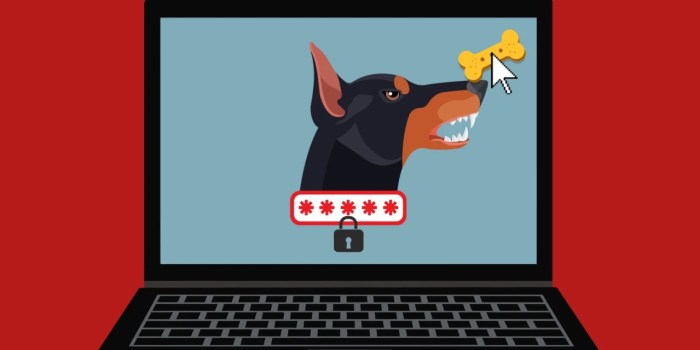
In conclusion, the escalating threat of cyberattacks is not just a problem, but a catalyst for innovation and profit in the insurance and security sectors. Companies are recognizing the critical need for proactive security measures, driving a surge in demand for comprehensive solutions. Insurance providers and security firms that adapt to these changing needs and leverage technological advancements will be well-positioned for success in this evolving market.
The future looks bright for those who understand and embrace this shift.