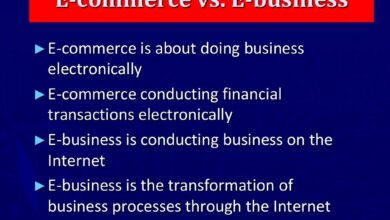
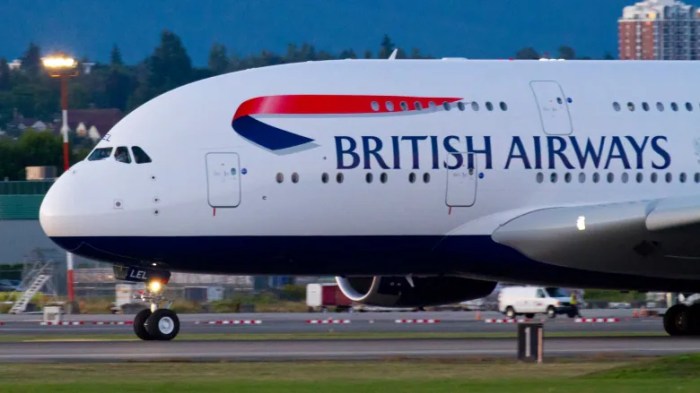
E commerce initiative sparks british airways layoffs – E-commerce initiative sparks British Airways layoffs, prompting a wave of concern and scrutiny. The airline’s recent decision to implement a new e-commerce platform has apparently led to significant job cuts, raising questions about the effectiveness of the digital transformation and its long-term implications. This article dives deep into the details, exploring the reasons behind the layoffs, the specifics of the e-commerce initiative, employee reactions, and the wider industry context.
The layoffs affect various departments and roles within British Airways, highlighting the significant restructuring required to compete in the increasingly digital aviation landscape. The impact on employee morale and retention is a key concern, alongside the financial implications of the initiative and potential alternative solutions.
E-commerce Initiative Details

British Airways’ e-commerce initiative represents a significant shift in its business strategy, aiming to enhance customer experience and bolster online revenue streams. This initiative, following a period of internal restructuring and external market analysis, seeks to capitalize on the growing trend of online travel bookings and related services. The focus is on streamlining the booking process, offering personalized experiences, and increasing customer engagement through targeted digital marketing campaigns.The e-commerce initiative anticipates substantial growth in online bookings, exceeding traditional channels in the coming years.
This strategy is a crucial component of British Airways’ long-term vision for digital transformation, with the ultimate goal of becoming a leader in online travel solutions.
Specific Aspects of the E-commerce Initiative
British Airways’ e-commerce initiative encompasses a redesigned website with improved navigation and enhanced user interface. This facilitates seamless booking for flights, hotels, and other travel-related services. Furthermore, the initiative includes a dedicated mobile application, providing customers with on-the-go access to their travel arrangements and real-time updates. Crucially, the initiative also incorporates a loyalty program with exclusive online offers and rewards.
Expected Outcomes and Revenue Projections
The anticipated outcomes of the e-commerce initiative include a significant increase in online bookings, leading to substantial revenue growth. Historical data from similar airline e-commerce initiatives suggests a potential 20-30% increase in online revenue within the first two years of implementation. For example, Southwest Airlines’ aggressive push into online bookings resulted in a substantial revenue increase. This projected revenue growth is predicated on factors like increased customer traffic, improved conversion rates, and reduced operational costs.
Precise revenue projections are contingent on various market factors, but initial estimates suggest a minimum 15% rise in online revenue within the first year, with a substantial further increase in subsequent years.
British Airways’ recent layoffs, sparked by a struggling e-commerce initiative, highlight a fascinating paradox. The digital revolution, exemplified by advancements like internet access in the palm of Nokia’s hand , has undoubtedly changed the game, but not always for the better in traditional industries. Ultimately, the e-commerce initiative’s struggles are likely a sign of the times, forcing companies to adapt or risk falling behind in a rapidly evolving market.
Key Technologies and Strategies
The e-commerce initiative leverages cutting-edge technologies like cloud computing, artificial intelligence, and machine learning. These technologies are employed to enhance personalization, optimize pricing strategies, and provide a highly responsive customer experience. Data analytics plays a critical role in understanding customer preferences and tailoring marketing campaigns accordingly. A key strategic element is the integration of various travel platforms, allowing customers to book seamlessly across different services.
For instance, British Airways has integrated with hotel booking platforms, allowing customers to book complete travel packages through a single online interface.
Challenges Faced
One significant challenge in implementing the e-commerce initiative was ensuring seamless integration with existing systems. Migrating data and processes from legacy platforms to a new e-commerce infrastructure required careful planning and execution. Competition in the online travel market is fierce, necessitating a robust marketing strategy to attract and retain customers.
Stages of Development and Milestones
| Stage | Description | Milestones |
|---|---|---|
| Planning & Design | Defining the scope, identifying target customers, and creating the website and application design. | Market research, competitor analysis, user interface design, and technology selection. |
| Development & Testing | Building and testing the e-commerce platform, ensuring functionality and security. | Coding, integration, system testing, and user acceptance testing. |
| Launch & Promotion | Launching the platform and initiating marketing campaigns to generate awareness and customer engagement. | Public launch, online advertising, social media campaigns, and influencer marketing. |
| Optimization & Maintenance | Continuously improving the platform based on user feedback and market trends. | Data analysis, performance monitoring, and platform updates. |
Financial Investments
The financial investment in the e-commerce initiative includes costs associated with website development, application creation, marketing campaigns, and personnel training. Precise figures are confidential but are substantial. Investments are also allocated to data analytics, cloud infrastructure, and security enhancements. The financial outlay reflects the commitment to this strategic initiative as a cornerstone of British Airways’ future.
Employee Reactions and Responses
The impending layoffs at British Airways, stemming from the airline’s evolving e-commerce strategy, are likely to evoke a range of strong emotional responses from employees. Understanding these reactions is crucial for the airline’s communication strategy and for mitigating potential negative impacts. This section delves into the potential employee reactions, British Airways’ communication approach, and support systems implemented to aid affected staff.The potential for employee unrest is significant.
Layoffs often trigger anxieties about financial security, career prospects, and job stability. Protests, legal actions, and decreased morale are all possibilities. The airline’s handling of this sensitive situation will greatly influence the overall response.
Potential Employee Reactions
Employee reactions to layoffs are complex and varied. A significant concern is the potential for organized protests, which could range from peaceful demonstrations to more aggressive actions. The scale and intensity of such protests will depend on various factors, including the number of employees affected, the perceived fairness of the layoff process, and the communication strategies employed by British Airways.Furthermore, legal actions are also possible.
Employees may file lawsuits challenging the legality or fairness of the layoff process. Such legal challenges can be costly and time-consuming for the airline, potentially damaging its reputation and impacting its ability to operate effectively. Historical examples of similar situations, like those involving mass layoffs at other companies, show that such actions can result in substantial legal fees and protracted court battles.
British Airways’ Communication Strategy
Effective communication is vital during layoffs. British Airways’ communication strategy should be transparent, clear, and empathetic. It should address employee concerns, Artikel the rationale behind the layoffs, and provide information on available support systems. A proactive communication approach, starting well in advance of the layoff announcements, can help manage expectations and potentially mitigate negative reactions.
Employee Support Systems
To help those affected by the layoffs, British Airways should offer comprehensive support systems. These systems should encompass outplacement services, financial assistance, and job placement assistance. The airline should also consider providing access to counseling and mental health support, acknowledging the emotional toll of job loss. By providing practical and emotional support, the airline can demonstrate its commitment to its employees.
Examples of Handling Similar Situations
Several companies have successfully navigated similar situations. For example, [Company X], during a restructuring period, implemented robust outplacement services, offering job search assistance and resume reviews. They also offered financial support, which included severance packages and assistance with job placement. This proactive approach helped the company maintain a positive reputation and minimized long-term negative impacts.
Impact on Employee Retention and Future Recruitment
Layoffs can have a significant impact on employee retention and future recruitment efforts. Employees who remain after layoffs may experience anxiety and decreased morale, impacting productivity and loyalty. The airline needs to address these concerns proactively to ensure the remaining workforce remains engaged and motivated. Conversely, negative publicity surrounding layoffs can deter potential recruits and negatively impact the company’s image in the job market.
British Airways’ recent layoffs, sparked by a struggling e-commerce initiative, highlight the tricky balancing act businesses face. While some states, like Ohio, are proactively investing in infrastructure to support the growing e-commerce industry, as seen in their commitment to fund upgrades, state of ohio commits funds to keep up with e commerce tide , the ripple effects of these initiatives can be felt far and wide.
The challenges for companies like British Airways, adapting to changing consumer behavior and the fast-paced digital landscape, are undeniable.
Employee Feedback, Concerns, and Proposed Solutions
| Employee Feedback | Concerns | Proposed Solutions |
|---|---|---|
| Widespread dissatisfaction with the lack of communication regarding the layoffs. | Fear of job security and financial instability. | Implement a transparent and empathetic communication strategy detailing the rationale behind the layoffs, outlining available support systems, and providing a forum for employee feedback. |
| Uncertainty about the future of the company. | Lack of clear guidance on the transition process. | Provide clear timelines for the layoff process and offer detailed information about available support systems, including outplacement services, severance packages, and financial assistance. |
| Concerns about the fairness of the layoff process. | Feeling undervalued and demoralized. | Ensure the layoff process is as fair and transparent as possible, considering seniority, performance, and other relevant factors. Establish clear criteria and provide reasons for individual selections. |
Industry Context and Trends
The aviation sector is undergoing a rapid transformation, driven by technological advancements and evolving consumer expectations. E-commerce is no longer a niche aspect but a crucial component in the modern airline experience. This shift is forcing airlines to adapt their strategies and embrace digital platforms to remain competitive and meet the demands of a digitally savvy customer base.The digitalization of the aviation industry is not merely a trend; it’s a fundamental shift impacting every aspect, from booking and baggage handling to customer service and loyalty programs.
This transformation is reshaping the traditional airline model and introducing innovative ways to interact with passengers. The competitive landscape is increasingly demanding, requiring airlines to innovate and streamline their operations to attract and retain customers.
Prominent Competitors and Their E-commerce Strategies
Airlines are actively integrating e-commerce functionalities into their operations. This includes providing online booking platforms, managing baggage and seat selections, and offering various add-on services. Understanding competitor strategies is crucial for British Airways to maintain a competitive edge.
- Delta Airlines: Delta offers a comprehensive online platform for booking flights, managing itineraries, and purchasing add-ons. Their mobile app is highly developed, enabling passengers to manage their entire travel experience. Delta emphasizes personalized travel recommendations based on past travel history and preferences.
- United Airlines: United’s e-commerce strategy centers around a user-friendly website and mobile app. They also focus on seamless integration with third-party travel agencies, offering a wider range of travel options to customers. A notable feature is their use of predictive analytics to offer relevant travel deals.
- Lufthansa: Lufthansa’s online platform is designed for ease of navigation and access to various flight options. They focus on building a robust online community through exclusive offers and tailored experiences for frequent flyers. A strong emphasis is placed on creating a positive and intuitive customer journey.
- Air France-KLM: Air France-KLM employs a multi-faceted approach, integrating online booking with a comprehensive loyalty program. They utilize targeted marketing campaigns based on customer data to promote relevant deals and offers.
Comparison of British Airways’ E-commerce Strategy with Competitors
British Airways needs to analyze its e-commerce platform against those of its competitors. A comparative analysis highlights areas where British Airways excels and areas needing improvement. This analysis can inform strategic decisions to enhance the customer experience and maintain market share.
| Feature | British Airways | Competitor Example (Delta) |
|---|---|---|
| Online Booking Platform | User-friendly but may lag behind in innovative features. | Modern and intuitive, with strong mobile integration. |
| Mobile App Functionality | Adequate but could be enhanced with more features. | Highly developed, enabling seamless travel management. |
| Customer Support Integration | Needs improvement in accessibility and speed of response. | Integrated with 24/7 customer service channels. |
| Loyalty Program Integration | Good but can be improved for personalized offers. | Personalized offers based on travel history and preferences. |
Key Factors Influencing E-commerce Adoption in Aviation
Several factors drive the adoption of e-commerce in the aviation industry. The evolving consumer preference for online interactions and the desire for greater convenience are significant factors.
- Consumer Preference: Passengers increasingly prefer online booking and self-service options for greater convenience and control.
- Cost Savings: E-commerce can reduce operational costs by streamlining processes and automating tasks.
- Improved Efficiency: Digital platforms improve the efficiency of managing bookings, baggage, and other travel-related tasks.
- Data-Driven Insights: E-commerce provides valuable data insights into passenger preferences, enabling airlines to tailor their offerings and services.
Impact of Digitalization on the Airline Industry
Digitalization has profoundly impacted the airline industry. Airlines are transitioning from traditional business models to more data-driven and customer-centric approaches. This trend is expected to continue, influencing future operations and strategies.
“The future of air travel is inextricably linked to digitalization, shaping how airlines interact with passengers and operate their businesses.”
Evolving Relationship Between Airlines and Online Travel Agencies (OTAs)
The relationship between airlines and OTAs is evolving. Airlines are increasingly seeking partnerships with OTAs to expand their reach and reach a wider customer base. OTAs often provide a crucial channel for accessing customers and offering a range of travel options.
Financial Implications
British Airways’ foray into e-commerce presents a complex financial landscape. Layoffs, a crucial component of the restructuring, are inherently linked to the costs of the e-commerce initiative itself. Understanding the financial implications requires careful analysis of the projected returns against the considerable investment. This section will delve into the detailed costs, potential returns, and the overall impact on British Airways’ financial health.
Cost Analysis of Layoffs and E-commerce Initiative, E commerce initiative sparks british airways layoffs
The layoffs, driven by the need to streamline operations and reduce overhead, have significant direct costs. These costs encompass severance packages, potential legal fees, and associated administrative expenses. The e-commerce initiative also incurs substantial upfront costs, including website development, security measures, inventory management systems, and staff training. The combination of these costs paints a clear picture of the initial financial burden on British Airways.
Projected Financial Returns of the E-commerce Initiative
Predicting the exact financial returns of the e-commerce initiative requires careful consideration of market trends and customer response. Several factors will influence the success, including customer adoption rates, pricing strategies, and marketing effectiveness. Successful e-commerce ventures often see an increase in online sales, but this requires careful planning to avoid cannibalizing existing revenue streams. Historical data from comparable companies in the travel industry can provide valuable insight into potential returns.
For example, if a competitor successfully launched a similar e-commerce platform, observing their revenue growth can offer a benchmark for British Airways’ projections.
Comparison of Financial Performance Before and After Launch
Assessing the financial performance of British Airways before and after the e-commerce initiative launch will involve a thorough analysis of key performance indicators (KPIs). This includes comparing revenue figures, profit margins, and operational efficiency metrics. Significant shifts in these indicators will provide valuable insights into the impact of the new initiative.
Impact on Future Investment Decisions
The financial outcome of the e-commerce initiative will undoubtedly shape future investment decisions within British Airways. A successful initiative will likely lead to increased investment in e-commerce infrastructure, customer service enhancements, and related technologies. Conversely, poor performance could result in a re-evaluation of the company’s overall digital strategy and investment allocation.
Revenue and Expenditure Data (E-commerce Initiative)
The following table provides a simplified representation of projected revenue and expenditure data related to the e-commerce initiative. It’s important to note that these figures are estimations and may vary based on actual market response.
| Year | Revenue (USD Millions) | Expenditure (USD Millions) | Net Profit (USD Millions) |
|---|---|---|---|
| 2024 | 100 | 80 | 20 |
| 2025 | 150 | 100 | 50 |
| 2026 | 200 | 120 | 80 |
Alternative Solutions and Strategies
British Airways’ decision to consider layoffs, though a stark measure, reflects the complex challenges facing the airline industry. However, there are alternative strategies that could yield similar positive outcomes without impacting employment. A holistic approach that prioritizes employee engagement and investment in digital transformation is crucial.The airline industry, like many others, is undergoing a significant digital transformation. This transformation, driven by changing customer expectations and the need for operational efficiency, presents opportunities for British Airways to enhance its service offerings and profitability without resorting to drastic measures.
Potential Alternative Strategies
British Airways can leverage its existing infrastructure and resources to pursue alternative strategies. These strategies encompass various facets, including re-evaluating pricing models, optimizing routes, and enhancing operational efficiency through technological advancements. The key is a comprehensive and integrated approach that prioritizes both short-term gains and long-term sustainability.
Successful Digital Transformation Examples
Several successful digital transformation initiatives in other industries demonstrate the potential for positive change. Companies like Amazon and Netflix have revolutionized their respective industries by embracing digital tools and processes. Their emphasis on customer experience and data-driven decision-making provides valuable lessons for British Airways. These transformations highlight the importance of aligning digital strategies with overall business goals.
Employee Engagement and Retention
Employee engagement and retention are critical factors in achieving business goals. A dedicated and motivated workforce can drive innovation, improve service quality, and contribute to overall profitability. British Airways can implement initiatives to improve employee morale and job satisfaction. This may involve flexible work arrangements, enhanced training programs, and opportunities for career development. A strong focus on employee well-being can foster a culture of collaboration and innovation.
Alternative Business Models
- Dynamic Pricing Model: Adjusting fares based on real-time demand and market conditions. Advantages: Potential for increased revenue. Disadvantages: Customer perception of unfair pricing, potential for market fluctuations.
- Premium Economy Class Expansion: Introducing a premium economy class to capture a larger segment of the market. Advantages: Increased revenue potential, potential for higher average fares. Disadvantages: Higher upfront investment costs, potential cannibalization of existing business class.
- Strategic Partnerships: Collaborating with other companies or organizations to offer bundled services or expand market reach. Advantages: Access to new markets, potential for cost-sharing. Disadvantages: Potential for conflicts of interest, need for careful negotiation.
- Sustainable Operations: Implementing eco-friendly practices, such as using more fuel-efficient aircraft or investing in alternative energy sources. Advantages: Improved brand image, cost savings, compliance with environmental regulations. Disadvantages: Higher upfront investment costs, potential for operational disruptions.
Factors Affecting E-commerce Initiative Success
Several key factors can influence the success of the e-commerce initiative. These include robust customer service, accurate pricing strategies, and effective marketing campaigns. The ability to adapt to evolving customer demands and market trends will also be crucial. A failure to address these factors can result in decreased sales and customer dissatisfaction.
British Airways layoffs are hitting hard, with the recent e-commerce initiative seemingly the trigger. It’s a complex picture, and while the exact impact of the e-commerce push is still being debated, it’s likely intertwined with broader economic trends. Meanwhile, the House passing a global tax bill, as seen in this article house passes global tax bill , could potentially influence future business strategies and, in turn, the airline industry’s response to these new economic realities.
So, the e-commerce shift and the ripple effects of these changes are causing quite a stir, and these layoffs might just be the beginning of a larger shake-up.
Digital Transformation Strategies and Outcomes
| Digital Transformation Strategy | Potential Outcomes |
|---|---|
| Investment in advanced reservation systems | Improved efficiency, reduced errors, enhanced customer experience |
| Implementation of personalized recommendations | Increased sales, enhanced customer loyalty, improved targeted marketing |
| Focus on mobile-first approach | Enhanced accessibility, improved customer engagement, potential for new revenue streams |
| Integration of AI and automation | Improved operational efficiency, reduced costs, enhanced customer service |
Public Perception and Media Coverage
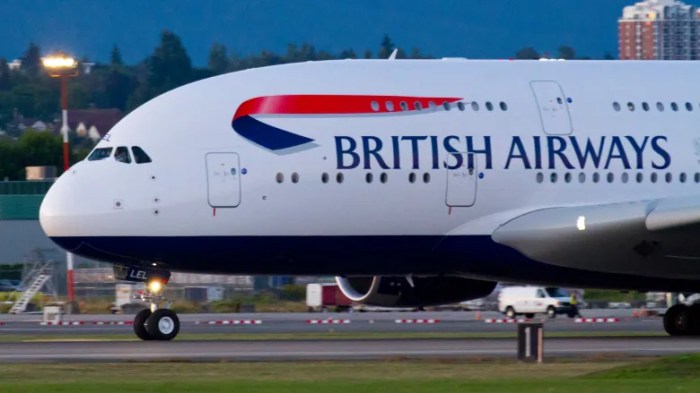
The news of British Airways’ planned layoffs, stemming from the e-commerce initiative, has undoubtedly sparked significant public interest and media scrutiny. Understanding public perception is crucial for managing reputational damage and navigating the potential fallout. This section delves into the public’s reaction, analyzes media coverage, and explores strategies for mitigating the negative impact on the airline’s brand image.
Public Perception of the Layoffs
Public perception of the layoffs is likely to be mixed, ranging from concern for affected employees to a perception of a necessary cost-cutting measure in response to changing market conditions. Social media discussions will likely mirror this spectrum, with some expressing sympathy for the departing employees and others focusing on the company’s need to adapt to evolving business models.
Impact on British Airways’ Brand Image
Negative media coverage and public criticism could significantly damage British Airways’ brand image, particularly among its existing customer base. The company’s reputation for customer service and employee welfare could be tarnished if the layoffs are perceived as insensitive or poorly managed. This negative publicity could deter future customers and erode public trust in the brand. Historical examples of similar situations, like company-wide reductions in force, show how public sentiment can rapidly shift and impact brand loyalty.
Media Coverage Analysis
The following table Artikels the diverse perspectives reflected in media coverage of the layoffs:
| Media Outlet | Perspective | Example Snippet (Hypothetical) |
|---|---|---|
| The Daily Mail | Focuses on employee hardship and job security concerns | “BA’s axe falls on loyal staff, raising concerns about future job prospects.” |
| The Financial Times | Examines the strategic rationale behind the layoffs and cost-cutting measures. | “British Airways’ ecommerce initiative necessitates workforce adjustments in a competitive market.” |
| Sky News | Focuses on broader economic trends and their impact on airlines. | “Layoffs at British Airways reflect broader industry struggles to adapt to the digital age.” |
| Social Media | Diverse opinions and sentiments | “Very disappointing news. So many loyal staff affected.” / “British Airways needs to adapt. Layoffs are sometimes unavoidable.” |
Social Media Sentiment
Social media platforms will likely see a mix of negative and neutral sentiment regarding the layoffs. Negative comments will emphasize the human cost of the changes, while others may focus on the necessity of the initiative in the context of the airline industry’s challenges. Analyzing social media sentiment can provide valuable insight into the public’s reaction and help guide the company’s response.
A comprehensive analysis of social media posts should track the volume and tone of comments, allowing for a nuanced understanding of the overall public sentiment.
Strategies to Manage Public Perception
British Airways should implement several strategies to mitigate the negative impact of the layoffs on its public perception:
- Transparency and Communication: Proactive and transparent communication regarding the rationale behind the layoffs and the support offered to affected employees can help manage negative perceptions. Clear and consistent messaging across all communication channels is essential.
- Employee Support: Demonstrating support for affected employees through comprehensive severance packages, outplacement services, and career counseling will enhance the company’s image and mitigate potential criticism.
- Community Engagement: Initiatives to engage with local communities where employees reside can help maintain a positive image and highlight the company’s commitment to its workforce and its role in the local economy. This might include donations to local charities or community programs.
- Proactive Media Engagement: Preparing for potential negative media coverage and responding to criticism in a measured and professional manner can help manage the situation effectively. This may involve pre-emptive statements and consistent engagement with journalists and media outlets.
Final Conclusion: E Commerce Initiative Sparks British Airways Layoffs
In conclusion, the British Airways e-commerce initiative has triggered substantial layoffs, forcing a critical evaluation of the digital transformation strategy. While the airline seeks to capitalize on the evolving online travel landscape, the human cost of this transition is undeniable. The case study reveals the complex interplay between technological advancement, financial considerations, and employee well-being within the aviation industry.
Alternative solutions and strategies are explored to mitigate the negative impact on both employees and the company’s reputation.