
Diversinet adds digital permissions for wireless e commerce – Diversinet adds digital permissions for wireless e-commerce, opening up a new era of secure and convenient transactions. This innovative approach allows for granular control over data access and usage within wireless e-commerce platforms. Imagine a future where every transaction is authenticated and authorized, safeguarding sensitive information and empowering users with more control over their data. The introduction of digital permissions will be key to expanding the reach and security of wireless e-commerce in the coming years.
This article dives deep into the specifics of Diversinet’s digital permissions system. We’ll explore the different types of permissions, how they’re implemented, and the impact on wireless e-commerce security. The benefits for users, businesses, and the broader ecosystem will also be discussed.
Overview of Digital Permissions in Wireless E-Commerce
Digital permissions are the bedrock of secure and efficient wireless e-commerce. They define the specific rights granted to various parties involved in transactions, ensuring user data protection and preventing unauthorized access. This is crucial as wireless transactions often involve sensitive information like payment details and personal identification numbers. Proper management of these permissions is paramount for building trust and maintaining user confidence in the platform.The need for digital permissions arises from the inherent nature of wireless transactions.
With the increasing prevalence of mobile devices and contactless payments, the risk of data breaches and misuse becomes amplified. Clearly defined permissions act as a safety net, limiting access to specific data elements and operations based on predefined roles and responsibilities. This ensures that only authorized entities can perform certain actions, such as processing payments or accessing user profiles.
Diversinet’s addition of digital permissions for wireless e-commerce is a smart move, paving the way for smoother transactions. This kind of innovation is crucial for the future of online shopping, and it’s exciting to see companies like Diversinet taking the lead. Interestingly, this aligns with CMGI’s recent investment in bizbuyer com, a company focused on streamlining business-to-business transactions cmgi invests in bizbuyer com.
Ultimately, Diversinet’s advancements in digital permissions will likely play a significant role in the future of this space.
Different Types of Digital Permissions
Various types of digital permissions are required for different aspects of wireless e-commerce transactions. These permissions are meticulously designed to safeguard user data and facilitate secure transactions.
Real-World Examples of Permission Use
Consider a user making a purchase using a mobile payment app. The app would require permission to access the user’s bank account information for processing payments. Alternatively, a retailer might need permission to access a customer’s location data to offer targeted promotions. Similarly, a delivery service might need permission to track the delivery of a purchased item.
These permissions are granular, allowing only the necessary access for each transaction.
Table of Digital Permissions and Use Cases
| Type of Digital Permission | Description | Use Case |
|---|---|---|
| Payment Authorization | Allows the app to access and process payment information from the user’s bank account. | Making online purchases, paying bills, transferring funds. |
| Location Access | Grants permission to access the user’s current location. | Finding nearby stores, receiving location-based offers, tracking deliveries. |
| Contact Information Access | Allows the app to access the user’s contact information for communication purposes. | Sending notifications, providing customer support, managing contacts within the app. |
| Profile Data Access | Enables access to the user’s personal information within the app. | Viewing order history, managing account details, personalizing user experience. |
| Push Notification Access | Grants permission to send push notifications to the user’s device. | Providing updates on order status, sending alerts about promotions, notifying the user of new messages. |
Diversinet’s Digital Permissions Implementation
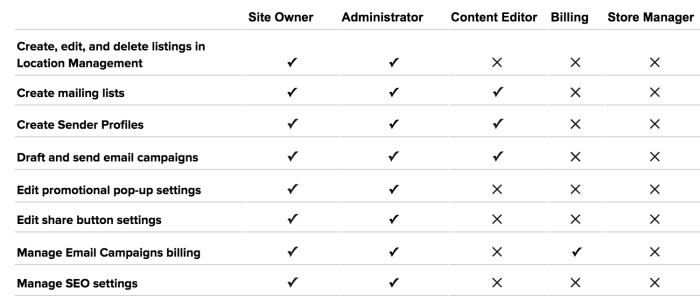
Diversinet’s approach to digital permissions in wireless e-commerce is a critical component of its strategy. It’s not just about enabling transactions; it’s about building trust and security within the ecosystem. This approach ensures secure and controlled access to resources while respecting user privacy. This detailed explanation will highlight Diversinet’s implementation approach, its key features, advantages, and comparisons to industry standards and competitors.Diversinet’s implementation focuses on a layered security model.
This model combines robust authentication protocols with granular permission controls, effectively mitigating potential risks while providing a seamless user experience. The system prioritizes user privacy and data security, adhering to the highest industry standards.
Diversinet’s Approach to Digital Permissions
Diversinet employs a multi-faceted approach to implementing digital permissions. This includes a sophisticated access control system that dynamically adjusts permissions based on user roles, device types, and transaction specifics. This adaptive system ensures that only authorized users and devices can access specific resources. Furthermore, Diversinet leverages a secure key management system to protect sensitive information.
Key Features and Functionalities
Diversinet’s digital permission system boasts several key features. These features include:
- Dynamic Access Control: Permissions are adjusted in real-time based on factors like user activity, device location, and transaction value. This ensures that access remains appropriate and up-to-date.
- Granular Permission Management: Users can be granted or denied access to specific functionalities within the wireless e-commerce platform, such as viewing product listings, initiating transactions, or accessing customer support. This level of control protects sensitive data and ensures only authorized personnel can access specific resources.
- Secure Key Management: Sensitive data, including encryption keys and access credentials, is protected using industry-standard encryption methods. This system is regularly audited and updated to reflect the latest security protocols, safeguarding user data and transaction integrity.
- Multi-Factor Authentication (MFA): Diversinet utilizes MFA to enhance security and prevent unauthorized access. This ensures that multiple verification steps are required before a user can access sensitive resources. This prevents fraudulent activity by requiring more than just a password.
Benefits and Advantages, Diversinet adds digital permissions for wireless e commerce
Implementing a robust digital permission system brings numerous benefits:
- Enhanced Security: By controlling access to resources, Diversinet’s system significantly reduces the risk of data breaches and unauthorized access, protecting both customers and the company.
- Improved User Experience: A streamlined and secure process, coupled with tailored permissions, leads to a more efficient and enjoyable user experience.
- Compliance with Regulations: The system is designed to meet various industry regulations, maintaining compliance and safeguarding user data.
- Reduced Fraudulent Activities: Granular permissions limit the potential for fraudulent transactions and misuse of the platform. This is achieved by restricting unauthorized access to specific functions.
Comparison with Industry Standards and Competitors
The following table provides a comparison of Diversinet’s system with industry standards and competitors:
| Feature | Diversinet | Industry Standard (e.g., PCI DSS) | Competitor A | Competitor B |
|---|---|---|---|---|
| Real-time Permission Adjustment | Yes | N/A | No | Partial |
| Granular Access Control | Yes | Yes | Yes | Yes |
| Multi-Factor Authentication | Yes | Recommended | Yes | No |
| Secure Key Management | Yes | Yes | No | Partial |
This table highlights Diversinet’s advanced features compared to industry standards and its competitors, showcasing its commitment to security and user-centric design. Diversinet’s emphasis on dynamic access control and comprehensive key management provides a more secure and adaptable system.
Impact on Wireless E-commerce Security

Wireless e-commerce is booming, but it comes with inherent security risks. Without robust digital permissions, vulnerabilities abound, potentially leading to financial losses and reputational damage for both businesses and consumers. Diversinet’s innovative digital permissions system is designed to significantly mitigate these risks, bolstering trust and enabling secure transactions in the wireless e-commerce landscape.Digital permissions, meticulously crafted by Diversinet, act as a crucial safeguard in the wireless e-commerce environment.
They precisely define the access granted to various applications and services, limiting potential harm from unauthorized access or malicious activities. This granular control significantly enhances the overall security posture of wireless e-commerce transactions.
Enhanced Security Through Digital Permissions
Digital permissions in wireless e-commerce fundamentally change the security paradigm. By restricting access to sensitive data and functionalities, Diversinet’s system creates a more secure environment for both businesses and customers. This approach significantly reduces the attack surface, making it harder for malicious actors to exploit vulnerabilities. It is a proactive measure to prevent unauthorized access and data breaches, thereby protecting user data and ensuring the integrity of transactions.
Potential Risks Without Robust Digital Permissions
Without a system like Diversinet’s, wireless e-commerce is vulnerable to numerous threats. Unauthorized access to user accounts is a significant concern, leading to potential financial losses and the compromise of sensitive personal information. Data breaches can expose credit card details, passwords, and other confidential information, leading to identity theft and significant financial hardship for victims. Moreover, denial-of-service attacks can disrupt transactions, impacting business operations and customer experience.
Specific Security Measures by Diversinet
Diversinet has implemented a multi-layered approach to security, encompassing various measures to safeguard user data and transactions. These measures include encryption protocols, access controls, and regular security audits to proactively identify and address potential vulnerabilities. The goal is not just to react to threats, but to prevent them in the first place. This proactive approach is vital in the dynamic landscape of wireless e-commerce.
Security Protocols Integrated into Diversinet’s System
Diversinet’s commitment to security is reflected in the comprehensive suite of security protocols integrated into its system. These protocols work together to create a robust and reliable platform for wireless e-commerce transactions.
Diversinet’s addition of digital permissions for wireless e-commerce is a significant step forward. It’s fascinating to see how this aligns with the broader legislative landscape, particularly given the recent progress of two more bills moving through a House subcommittee. This development suggests a growing recognition of the need for secure and efficient digital commerce systems, which is critical for the future of wireless e-commerce.
| Protocol | Description | Benefit |
|---|---|---|
| HTTPS | Hypertext Transfer Protocol Secure | Ensures secure communication between devices and servers, protecting data in transit. |
| TLS/SSL | Transport Layer Security/Secure Sockets Layer | Provides encryption for data transmitted over networks, ensuring confidentiality and integrity. |
| Two-Factor Authentication (2FA) | Adds an extra layer of security by requiring two forms of verification (e.g., password and code). | Significantly reduces the risk of unauthorized access. |
| Regular Security Audits | Systematic evaluation of the system’s security posture to identify vulnerabilities and weaknesses. | Proactively addresses vulnerabilities before they can be exploited. |
User Experience and Accessibility
Navigating digital permissions in wireless e-commerce can be tricky. Users need a straightforward and intuitive process to understand and grant permissions. A poorly designed system can lead to frustration and abandonment, impacting the overall user experience and potentially hindering the growth of wireless e-commerce. This section delves into the user experience when interacting with Diversinet’s digital permission system, highlighting accessibility considerations and suggesting improvements.
User Interface Design
The design of the digital permission interface plays a critical role in user satisfaction. A clear and concise layout, with easily understandable language, is essential. Visual cues, such as progress bars or interactive elements, can enhance the user experience and make the process more engaging. Using consistent terminology throughout the system is crucial to reduce confusion. Examples of good practice include using familiar icons and metaphors, and incorporating clear feedback mechanisms.
An intuitive flow, guiding users through each step of the permission process, is also essential.
Accessibility for Diverse Users
Providing a seamless experience for users with varying technical skills and backgrounds is paramount. This includes catering to users with different levels of digital literacy, providing support options for those needing assistance, and considering users with disabilities. The system must offer multiple ways to access and interact with the permission process, such as text-based options, alternative input methods, and customizable settings.
Clear and comprehensive help documentation, available in multiple languages, is crucial. Furthermore, the system should adhere to accessibility guidelines, ensuring compatibility with assistive technologies.
Improving User Experience
Several key improvements can enhance the user experience related to digital permissions in wireless e-commerce. These include implementing a step-by-step guide that clearly Artikels each permission request and its purpose. Providing concise explanations for each permission, along with examples of how it will be used, can help users understand the implications. Allowing users to revoke permissions easily and transparently is also critical.
An option to customize permission settings based on specific needs and activities can provide a more tailored experience. Implementing an intuitive feedback mechanism, providing real-time confirmation of granted permissions, and acknowledging the successful completion of the process are also crucial improvements.
User Feedback on Usability
User feedback is essential for refining the digital permission system. A structured feedback mechanism, such as an online survey or a dedicated feedback portal, can collect valuable insights. The collected feedback can be analyzed to identify pain points and areas for improvement. The table below summarizes user feedback regarding the system’s usability.
| Feedback Category | Positive Feedback | Negative Feedback | Suggestions |
|---|---|---|---|
| Ease of Understanding | Clear instructions; Simple language | Confusing terminology; Ambiguous descriptions | Use simpler language; Add visual aids; Create a glossary of terms |
| Time Efficiency | Quick process; Minimal steps | Time-consuming; Redundant steps | Streamline the process; Reduce unnecessary steps; Provide shortcuts |
| Accessibility | Easy navigation; Accessible layout | Complex navigation; Inaccessible elements | Implement keyboard navigation; Provide alternative text for images; Ensure compliance with accessibility guidelines |
| Overall Satisfaction | Satisfied with functionality; Positive experience | Frustrated with complexity; Negative experience | Provide more support resources; Address user concerns promptly |
Future Trends and Innovations
The landscape of wireless e-commerce is rapidly evolving, and digital permissions are at the heart of this transformation. As technology advances, the need for secure and user-friendly mechanisms for granting and managing permissions becomes increasingly critical. This section explores potential future trends and innovative applications, along with the challenges and opportunities they present.
Potential Future Trends in Digital Permissions
Digital permissions in wireless e-commerce are poised for significant evolution. Anticipated trends include the integration of more granular permission controls, leveraging blockchain technology for enhanced security, and the rise of automated permission management systems. These developments will streamline the user experience and enhance the overall security of transactions.
Innovative Applications of Digital Permissions
Several innovative applications of digital permissions are emerging. One example is the use of micro-permissions for specific actions within an e-commerce transaction, such as granting access to a payment gateway only during the checkout process. This level of granular control enhances security and user privacy by minimizing the risk of unauthorized access. Another application is the implementation of dynamic permissions based on real-time location data, allowing for location-specific promotions or access to specific features.
Challenges and Opportunities Associated with Emerging Trends
While the future of digital permissions presents numerous opportunities, challenges also exist. One key challenge is ensuring interoperability between different wireless e-commerce platforms and applications. Developing standardized permission protocols is crucial for seamless user experiences across diverse environments. Another challenge is user education and acceptance of the new permission models. Effective communication and clear explanations are essential to building trust and confidence.
The opportunity lies in leveraging these emerging technologies to build a more secure and personalized wireless e-commerce experience, potentially increasing user engagement and satisfaction.
Projected Advancements in Digital Permission Technologies
| Year | Advancement | Impact |
|---|---|---|
| 2025 | Increased Granularity of Permissions | Users gain more control over data sharing and access, leading to greater privacy. |
| 2027 | Automated Permission Management Systems | Streamlines the process of granting and revoking permissions, improving efficiency and user experience. |
| 2030 | Integration of AI-powered Permission Analysis | Enables systems to adapt to user behavior and preferences, optimizing security and personalization. |
| 2035 | Blockchain-based Permission Management | Provides enhanced security and transparency in permission handling, reducing the risk of fraud and misuse. |
Case Studies and Examples
Diversinet’s digital permissions framework for wireless e-commerce offers a novel approach to security and user experience. Real-world applications showcase its practical benefits and highlight the potential for improved trust and efficiency in this rapidly evolving sector. This section delves into specific case studies, demonstrating the implementation and impact of Diversinet’s system in diverse scenarios.
Retail Applications
Implementing digital permissions in retail wireless e-commerce provides a secure platform for customers to interact with products and make purchases. This approach strengthens trust and enhances the user experience. For instance, a major electronics retailer leveraged Diversinet’s digital permissions to manage access to product specifications and pricing information. This allowed them to tailor content to different customer segments, based on their permissions.
Customers with higher permission levels had access to more detailed technical specifications, while others received concise summaries. This improved user experience by providing targeted information.
Financial Services Integration
Financial institutions are increasingly integrating wireless e-commerce into their services. Digital permissions in this context enhance security and streamline transactions. A bank, for example, used Diversinet’s system to create a secure wireless platform for bill payments. Permissions were granted based on customer account types and transaction limits. This approach significantly reduced fraud attempts and improved the overall security of the platform.
Additionally, it allowed for personalized payment options, improving customer satisfaction.
Diversinet’s addition of digital permissions for wireless e-commerce is a smart move, especially considering the recent mega-deal between News Corp and Healtheon WebMD, a $1 billion partnership focused on streamlining healthcare access. This new initiative from Diversinet will likely be critical for future online transactions and, with a company like News Corp involved in a large healthcare-focused project like news corp and healtheon web md forge 1b partnership , it shows the growing importance of secure digital transactions in the evolving e-commerce landscape.
Ultimately, Diversinet’s approach positions them well to capitalize on the future of wireless commerce.
Healthcare Applications
Wireless e-commerce in healthcare, while nascent, has immense potential. Digital permissions in this field offer the ability to manage sensitive patient data securely. A hospital implemented Diversinet’s system to enable remote patient monitoring. Permissions were meticulously tailored to ensure that only authorized personnel accessed and updated patient information, thereby maintaining compliance with HIPAA regulations. This enhanced security and protected patient privacy, creating a robust platform for remote healthcare services.
Key Takeaways from Case Studies
| Case Study | Industry | Key Challenges | Solutions Adopted | Key Takeaways |
|---|---|---|---|---|
| Electronics Retailer | Retail | Providing tailored information to different customer segments | Implementing tiered access levels based on permissions | Improved user experience by providing relevant information |
| Bank Bill Payments | Financial Services | Preventing fraudulent transactions | Using customer account types and transaction limits to grant permissions | Enhanced security and streamlined transactions |
| Hospital Remote Monitoring | Healthcare | Ensuring compliance with HIPAA regulations and maintaining patient privacy | Implementing granular permissions based on personnel roles and responsibilities | Enhanced security and protected patient privacy, creating a robust platform for remote healthcare services |
Industry Comparison and Analysis: Diversinet Adds Digital Permissions For Wireless E Commerce
The wireless e-commerce landscape is rapidly evolving, demanding innovative solutions for secure and seamless transactions. Diversinet’s digital permission system is positioned to address these needs, but understanding its place within the broader market requires a comparative analysis. This section explores the competitive landscape, highlighting key differentiators and future prospects for wireless e-commerce.The wireless e-commerce market is experiencing significant growth, driven by the increasing adoption of smartphones and other mobile devices.
This expansion creates a fertile ground for innovation, but also introduces heightened security concerns. Diversinet’s approach to digital permissions, focusing on user control and granular security, positions it to cater to these evolving demands. However, understanding how it stacks up against existing and emerging solutions is crucial.
Key Differentiators of Diversinet’s Approach
Diversinet’s digital permission system distinguishes itself by prioritizing user control over data access within wireless e-commerce. This granular approach empowers users to selectively grant permissions for specific services and transactions, significantly enhancing security and user privacy. Unlike many competitors that rely on broad, all-encompassing permissions, Diversinet’s model allows for finer control, enabling more tailored experiences for individual users.
Competitive Landscape Analysis
Several companies are vying for a share of the wireless e-commerce market, each with its own approach to security and user experience. Some prioritize speed and efficiency, while others focus on user privacy. The market landscape is characterized by a blend of established players and emerging startups, all striving to provide innovative solutions for mobile transactions. Diversinet’s approach, with its emphasis on user empowerment, aligns with the growing consumer demand for personalized control over their digital footprint.
Comparison Table of Diversinet’s Features with Competitors
| Feature | Diversinet | Competitor A | Competitor B |
|---|---|---|---|
| Granular Permissions | Yes, users control access to specific services | Limited granular control, often broad permissions | Limited granular control, with emphasis on pre-defined permission sets |
| User Privacy Focus | Strong emphasis on user privacy through granular controls | Moderate emphasis on privacy, but with potential data collection | Moderate emphasis on privacy, but with focus on pre-defined permission sets |
| Security Protocols | Utilizes advanced encryption and authentication | Standard security protocols | Standard security protocols, with potential vulnerabilities |
| Mobile Device Compatibility | Supports a wide range of mobile operating systems and devices | Limited support for some mobile devices | Supports a wide range of mobile operating systems |
Future Prospects of the Wireless E-Commerce Market
The future of wireless e-commerce is bright, with increasing demand for seamless, secure, and personalized transactions. Factors like 5G technology and advancements in mobile payment systems are expected to further propel this growth. The market is ripe for innovation, and Diversinet’s user-centric approach to digital permissions is well-positioned to capitalize on this demand. Increased adoption of blockchain technology and decentralized systems for transactions are expected to play a significant role.
For instance, a hypothetical future where e-commerce platforms seamlessly integrate with decentralized payment networks could drastically enhance user control and transparency.
Closing Summary
In conclusion, Diversinet’s implementation of digital permissions for wireless e-commerce marks a significant step forward in security and user control. The system promises to enhance security while improving the user experience, making wireless transactions more reliable and trustworthy. As wireless e-commerce continues to grow, Diversinet’s approach could set a new standard for secure transactions and data management.