
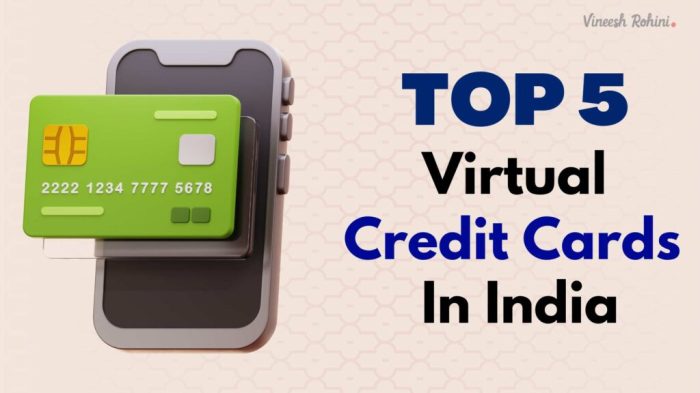
Discover offers online virtual credit card opens up a world of convenient and potentially rewarding online shopping experiences. Virtual cards offer a unique layer of security and flexibility, perfect for those who value discretion and control over their transactions.
This exploration delves into the various types of virtual credit cards, highlights the advantages of using them for online purchases, and compares them to traditional credit cards. We’ll also discuss the security protocols in place and explore real-world examples of how virtual cards can simplify your online life.
Introduction to Online Virtual Credit Cards
Virtual credit cards are a convenient and increasingly popular way to make online purchases. They offer a layer of security and control over traditional credit cards, making them a valuable tool for online transactions. This flexibility allows users to manage their spending and protect their personal information more effectively.Virtual credit cards are essentially digital versions of traditional credit cards.
They are designed for use in online transactions, offering a unique set of advantages for users. This approach minimizes the risk of physical card theft and allows for greater control over spending limits and transaction authorization.
Discovering online virtual credit cards with special offers is super convenient. However, access to these digital tools isn’t universal, and initiatives like the one launched by Hillary Clinton to address the digital divide are crucial. Clinton’s initiative aims to connect more people to the internet and financial opportunities, which will eventually lead to more widespread access to online credit card offers.
Ultimately, wider access to these virtual cards can lead to a more inclusive financial landscape for everyone.
Definition of Virtual Credit Cards
A virtual credit card is a temporary, unique credit card number generated for a specific transaction or period. It is distinct from a physical credit card, as it doesn’t have a physical presence. Instead, it’s a digital representation of a credit card account, created and used solely for online transactions. This feature helps in avoiding the risk of physical theft and unauthorized use, as the number is not permanently linked to the user’s account.
Key Benefits of Virtual Credit Cards
Virtual credit cards offer several advantages over traditional credit cards, especially when making online purchases. These benefits include increased security, enhanced control over spending, and the convenience of using a dedicated card for specific transactions.
- Enhanced Security: Virtual credit cards provide a crucial layer of security for online transactions. The temporary nature of the card number and the ability to quickly disable it in case of loss or compromise significantly reduce the risk of fraudulent activities. For instance, if a user’s account is compromised, they can easily disable the virtual card without jeopardizing their entire credit line.
- Greater Spending Control: Virtual credit cards allow for greater control over spending. Users can set limits on the card for specific purchases or time periods, which can be particularly helpful for managing online shopping and avoiding overspending.
- Convenience: Virtual credit cards are exceptionally convenient for online purchases. They eliminate the need to enter your full credit card details on various websites, reducing the chance of data breaches and providing a more secure way to pay.
Ways Virtual Credit Cards Are Used
Virtual credit cards have diverse applications beyond simple online shopping. They can be used for subscriptions, booking travel, or even for making purchases on peer-to-peer marketplaces.
- Online Shopping: Virtual credit cards are primarily used for online purchases, offering an added layer of security for transactions on e-commerce platforms. This way, sensitive credit card information is not permanently stored on the merchant’s site.
- Subscription Management: Virtual cards are also helpful for managing subscriptions. They enable the user to create a dedicated card for subscriptions, separating this activity from other transactions and potentially preventing unauthorized charges associated with subscriptions.
- Booking Travel: When booking flights, hotels, or other travel arrangements online, virtual cards can be used to protect your main credit card from potential fraud risks. This practice provides a safety net for sensitive financial information.
Types of Virtual Credit Cards
Several types of virtual credit cards are available, catering to different needs and preferences. The choice depends on the user’s specific requirements and the platform offering the card.
- Bank-issued virtual cards: These are often linked to traditional credit cards and offer similar benefits, including spending limits and fraud protection. They are usually generated by the user’s bank or financial institution.
- Third-party virtual cards: Some third-party platforms offer virtual cards for online shopping, which are often associated with online payment gateways. These cards provide an extra layer of security when using these platforms.
Security Measures Associated with Virtual Credit Cards
Security is paramount when using virtual credit cards. Robust security measures are implemented to protect user data and transactions.
- Strong Encryption: Virtual credit card transactions often utilize strong encryption protocols to safeguard sensitive data during transmission. This ensures that information exchanged between the user and the merchant is protected from unauthorized access.
- Fraud Detection Systems: Virtual credit card platforms often employ advanced fraud detection systems to identify and prevent fraudulent transactions. These systems use sophisticated algorithms to monitor transactions in real-time and flag potential suspicious activities.
- Two-Factor Authentication (2FA): Many virtual credit card services utilize 2FA to add an extra layer of security. This adds a crucial authentication step, requiring a second verification method beyond a password.
Finding Offers for Virtual Credit Cards
Finding the right virtual credit card can feel like searching for a needle in a digital haystack. But with a little know-how, you can navigate the options and find a virtual card that fits your needs and budget. This guide will help you identify attractive offers and compare different cards effectively.
Popular Online Platforms for Virtual Credit Card Offers
Various online platforms serve as hubs for virtual credit card promotions. Major financial comparison websites often feature virtual credit card offers, alongside banks’ and credit card companies’ own websites. Specialized comparison sites dedicated to credit cards, including virtual ones, are also valuable resources. Furthermore, some online marketplaces might feature partnerships with financial institutions, leading to exclusive virtual credit card offers.
Finding great deals on online virtual credit cards is always a smart move. With Walgreens Co. now having a completely redesigned website, walgreen co launches revamped web site , you might just find some amazing offers that are perfect for your needs. It’s a great time to check out those virtual credit card deals again.
Criteria for Identifying Attractive Virtual Credit Card Offers
Several factors contribute to a compelling virtual credit card offer. Consider the interest rates, associated fees (annual fees, foreign transaction fees, etc.), and available rewards programs. A virtual card with a low or zero annual fee, a competitive interest rate, and a generous rewards structure is often a more attractive option. Read the fine print carefully, as hidden fees or terms can significantly impact the value of the offer.
Comparing Different Virtual Credit Card Offers
Thorough comparison is key to choosing the best virtual credit card. Focus on the specific features that matter most to you. For example, someone focused on international travel might prioritize a card with no foreign transaction fees and generous travel rewards. Another user might prioritize low or no annual fees and rewards related to online shopping. Comparing interest rates, fees, rewards programs, and terms and conditions side-by-side is crucial.
Virtual Credit Card Offer Comparison Table
| Offer Feature | Offer A | Offer B | Offer C |
|---|---|---|---|
| Interest Rate (APR) | 18.99% | 15.99% | 17.99% |
| Annual Fee | $0 | $30 | $0 |
| Foreign Transaction Fee | 3% | 0% | 2% |
| Rewards Program | Cashback on online purchases | Airline miles | Shopping portal discounts |
| Credit Limit | $5,000 | $3,000 | $10,000 |
Pros and Cons of Different Virtual Credit Card Offer Types
| Offer Type | Pros | Cons |
|---|---|---|
| Low-Interest Rate Virtual Card | Reduced monthly interest payments. | May have limited rewards or other benefits. |
| High-Reward Virtual Card | Generous rewards program for frequent use. | Higher interest rates or associated fees. |
| Zero-Annual-Fee Virtual Card | No annual fee to pay, potentially saving money. | Might have a lower credit limit or less attractive rewards. |
| International Travel Focused Virtual Card | No foreign transaction fees for smooth international spending. | Might not offer significant rewards on other spending categories. |
Features and Benefits of Virtual Credit Cards
Virtual credit cards are rapidly gaining popularity as a convenient and secure payment method for online transactions. Their unique features offer distinct advantages over traditional credit cards, particularly in the realm of online shopping security and transaction flexibility. This shift is driven by the increasing need for safe and manageable payment options in the digital age.Virtual credit cards provide a layer of enhanced security by creating temporary credit card numbers for each transaction.
This approach significantly reduces the risk of fraud compared to using a permanent card number. Moreover, the flexibility of virtual cards allows users to easily control their spending limits and associated credit risk.
Security Enhancements
Virtual credit cards are designed to mitigate fraud risks by generating unique, temporary card numbers for each transaction. This approach, known as tokenization, replaces the actual credit card number with a unique identifier, effectively isolating sensitive information. This significantly reduces the chances of unauthorized access and fraudulent activity. For example, if a user’s virtual card details are compromised during a specific online purchase, the subsequent transactions will be unaffected, as a different virtual card number will be generated.
This prevents criminals from accessing sensitive information beyond the specific transaction.
Finding great deals on online virtual credit cards is super convenient. Sun’s recent investment in internet innovation, like sun promotes internet innovation with investment fund , shows how important this sector is becoming. It’s exciting to see companies like Sun recognizing the potential for these digital financial tools, which ultimately leads to even more diverse and enticing offers for online virtual credit cards for consumers.
Transaction Flexibility
Virtual credit cards offer greater transaction flexibility than traditional cards. They can be easily created and deleted, making them ideal for one-time purchases or for managing multiple accounts. Furthermore, many virtual card services allow users to set spending limits per transaction or a period, providing a granular control over spending. This control is particularly beneficial for online shoppers who want to manage their budget effectively.
For instance, a user can create a virtual card with a daily spending limit for online shopping, thus avoiding overspending.
Comparison with Traditional Credit Cards
| Feature | Virtual Credit Card | Traditional Credit Card ||—|—|—|| Card Number | Temporary, unique for each transaction | Permanent, same for all transactions || Security | Higher due to tokenization and transaction isolation | Lower risk compared to virtual, but potential for theft or data breaches || Control | Enhanced control over spending limits | Limited control, often requiring managing multiple cards for different purposes || Convenience | Ideal for one-time or multiple online purchases | Suitable for in-person and online purchases || Management | Easy creation and deletion of virtual cards | Requires physical card management and account administration |
Enhanced Online Shopping Security
Virtual credit cards significantly enhance online shopping security. The temporary nature of the card number and the tokenization process make it exceptionally difficult for fraudsters to misuse or exploit compromised information. By creating a temporary and unique card number for each transaction, the potential for fraud is drastically reduced. For example, if a user’s email account is compromised, the fraudsters cannot access their virtual credit card details for any other transaction.
This greatly minimizes the potential financial loss associated with online fraud.
Security and Privacy Considerations

Virtual credit cards, while offering convenience, raise important security concerns. Understanding the security protocols employed by online platforms and practicing safe online payment habits are crucial for protecting your financial information. This section details the measures taken to safeguard your virtual credit card and what you can do to ensure a secure experience.Protecting your virtual credit card information is paramount.
Online platforms employ robust security measures to safeguard your data, but your vigilance and responsible use play a vital role in maintaining security. Understanding these measures empowers you to make informed decisions about using virtual credit cards securely.
Security Protocols Used by Online Platforms
Online platforms offering virtual credit cards typically employ a combination of security measures. These include encryption protocols, such as SSL/TLS, to protect sensitive data during transmission. They also use multi-factor authentication (MFA) to verify user identity, adding an extra layer of security. Furthermore, platforms frequently employ advanced fraud detection systems that analyze transaction patterns and user behavior to identify potential threats.
These systems often flag unusual activity, enabling prompt intervention and preventing unauthorized access.
Importance of Secure Online Payment Practices
Practicing secure online payment habits is essential for safeguarding your virtual credit card information. Never share your virtual credit card details via email, instant messaging, or unsolicited phone calls. Only enter your information on official and trusted websites, confirming the site’s security through features like HTTPS encryption. Regularly monitor your account activity, and immediately report any suspicious transactions.
By following these best practices, you significantly reduce the risk of fraud.
Best Practices for Protecting Personal Information
Protecting your personal information when using virtual credit cards involves careful attention to detail. Use strong, unique passwords for your online accounts, and avoid reusing passwords across multiple platforms. Keep your software updated to benefit from the latest security patches. Enable two-factor authentication wherever possible, and be wary of phishing attempts. Be cautious about clicking on links or downloading attachments from unknown sources, as these can expose your personal information.
Measures Taken to Prevent Fraud
Online platforms actively implement measures to prevent fraud related to virtual credit cards. These include advanced fraud detection algorithms that analyze transaction patterns and identify anomalies. These systems often use machine learning and artificial intelligence to detect suspicious activities, flagging potentially fraudulent transactions for review. Additionally, regular security audits and updates ensure that platforms maintain robust security measures.
Steps to Take if You Suspect Fraudulent Activity
If you suspect fraudulent activity on your virtual credit card account, take immediate action. First, contact the issuing platform immediately to report the suspected fraud. Provide detailed information about the suspicious activity, including dates, times, and transaction amounts. Monitor your account closely for any further unauthorized transactions. Report the incident to your bank or financial institution and consider filing a police report.
These steps can help mitigate potential losses and ensure that your financial information remains secure.
Practical Use Cases and Examples
Virtual credit cards are revolutionizing online transactions, offering a convenient and secure way to shop, book travel, and manage finances. Their flexibility and temporary nature make them ideal for various situations, from one-time purchases to international transactions. They’re essentially digital credit cards, but with a built-in layer of protection and control.Virtual credit cards provide a heightened level of security compared to traditional credit cards, particularly when making online purchases.
By separating the virtual card from your physical card, you limit the potential risk associated with account compromise. The temporary nature of virtual cards further reduces the impact of any potential fraud.
Everyday Online Shopping
Virtual credit cards streamline online shopping experiences by providing a dedicated, temporary payment method for each purchase. This is particularly useful when shopping on websites with less secure payment infrastructure or when you want to protect your primary credit card information. Imagine purchasing a gift from an online retailer – a virtual card ensures your main card details remain private.
International Online Purchases
Virtual credit cards are a game-changer for international online purchases. They can be linked to various currencies, often with favorable exchange rates, making it easier to manage international transactions. This eliminates the hassle of converting currency manually and ensures you’re paying in the most efficient way. The convenience extends to the ease of paying in a local currency when traveling abroad, too.
Travel Bookings
Virtual cards excel in the realm of travel bookings. Booking flights, hotels, and tours online often involves multiple steps and potential complications. Virtual cards provide a dedicated payment method for each booking, reducing the risk of data breaches and simplifying the overall process. For example, you can use a separate virtual card for flights and another for accommodation, keeping your bookings distinct and secure.
Real-World Examples of Virtual Credit Card Use
| Scenario | How Virtual Credit Cards Help |
|---|---|
| Buying concert tickets online | A virtual card is created for the purchase, protecting your main card from potential fraudulent activities. |
| Shopping on a new e-commerce site | A temporary virtual card is used to test the site and payment process without exposing your primary card details. |
| Booking a vacation package | Different virtual cards can be used for various components of the vacation package (flights, hotels, tours) to keep track of expenses and to ensure security. |
| Making a purchase on a site with limited payment options | If a site only accepts certain types of cards, a virtual card can be created for the specific payment type. |
| Paying for a service through a third-party platform | A virtual card is created for the specific payment, preventing any unwanted exposure of your primary credit card information to third parties. |
Virtual Credit Card vs. Other Payment Options
Virtual credit cards offer a convenient and secure way to make online purchases, but how do they stack up against other payment methods? This section compares virtual credit cards with popular alternatives like digital wallets and prepaid cards, highlighting their respective advantages and disadvantages. Understanding these nuances helps users choose the best payment option for their specific needs.
Comparison of Virtual Credit Cards with Other Payment Methods
Virtual credit cards are a relatively recent addition to the online payment landscape, offering a distinct set of advantages and disadvantages when compared to traditional methods like physical credit cards, digital wallets, and prepaid cards. Their unique features make them suitable for specific situations, but they aren’t a one-size-fits-all solution.
Virtual Credit Cards vs. Digital Wallets
Digital wallets, such as Apple Pay and Google Pay, are increasingly popular for quick and easy mobile payments. They often integrate seamlessly with various apps and services, streamlining the checkout process. However, digital wallets typically rely on a linked bank account or credit card for funds. Virtual credit cards, on the other hand, offer a more independent payment method, often useful for one-time purchases or transactions where you don’t want to expose your primary credit card information.
Virtual Credit Cards vs. Prepaid Cards
Prepaid cards offer a degree of control over spending, allowing users to load a specific amount of money onto the card. This can be helpful for budgeting or limiting spending. Virtual credit cards, while providing flexibility, generally lack this pre-set spending limit. However, virtual cards often offer more security features and payment processing options, particularly for international transactions.
Scenarios Where Virtual Credit Cards Are Ideal
Virtual credit cards shine in specific situations. For example, when making purchases on websites that don’t support traditional payment methods, virtual cards can be invaluable. Also, they’re perfect for one-time purchases or transactions where you want to protect your primary credit card from potential fraud. The added layer of security they offer makes them a preferred choice for online shopping, particularly for those making sensitive or high-value transactions.
Limitations of Using Virtual Credit Cards
While virtual credit cards offer numerous advantages, they also come with limitations. One key consideration is that they often require a credit card to be linked. Another constraint is that some merchants might not fully support virtual credit card payments, limiting their applicability in certain situations. Furthermore, the specific features and acceptance rates may vary between different virtual card providers, requiring careful consideration.
Comparative Table: Virtual Credit Cards, Digital Wallets, and Prepaid Cards
| Feature | Virtual Credit Card | Digital Wallet | Prepaid Card |
|---|---|---|---|
| Funding Source | Linked credit card | Linked bank account or credit card | Preloaded funds |
| Security | Strong encryption, often with fraud protection | Strong encryption, but relies on linked account security | Generally lower security compared to virtual cards |
| Spending Limit | Not fixed, depends on linked card | Depends on linked account balance | Fixed amount loaded onto the card |
| Acceptance | Widely accepted, but may vary by merchant | Widely accepted, particularly for mobile transactions | Widely accepted, but may have limitations in certain regions |
| Convenience | Convenient for one-time purchases or online transactions | Extremely convenient for quick mobile payments | Convenient for budgeting, but may not be as flexible as other options |
Illustrative Scenarios and Use Cases
Virtual credit cards offer a convenient and secure way to manage online transactions. Their flexibility extends beyond simple online purchases, making them suitable for various situations where a physical card might be less practical or desirable. Understanding the specific use cases and how they work is crucial for maximizing the benefits of this innovative payment method.
Using a Virtual Credit Card for an Online Purchase
Virtual credit cards are perfect for one-time online purchases, particularly when you want to avoid exposing your primary credit card details to unknown or untrusted merchants. Imagine buying concert tickets online. Creating a virtual card allows you to securely complete the purchase without exposing your personal credit card information directly to the ticket vendor. This approach enhances security, providing an extra layer of protection against potential fraud.
Steps in Creating a Virtual Credit Card
The process of creating a virtual credit card typically involves a few simple steps. First, you log into your online banking or credit card portal. Then, you select the option to generate a virtual card. This usually involves choosing a temporary card number, expiration date, and security code. The virtual card is instantly generated and typically valid for a limited period, such as a few days or a week, making it ideal for specific transactions.
This temporary card number is unique and used only for the specified transaction.
Situations Where Virtual Cards are More Convenient
Virtual credit cards shine when dealing with one-time purchases or transactions that require added security. For example, renting a car online from a foreign provider. Using a virtual card isolates the transaction, protecting your primary credit card information from the foreign vendor. Furthermore, virtual cards offer enhanced convenience for international travel or temporary stays, limiting potential exposure to fraud risks.
Consider a situation where you’re attending a conference in a different city; using a virtual card for hotel bookings, event registrations, and transportation can make the entire experience much smoother and safer.
Virtual Credit Card Offer for a Travel Agency
A travel agency might offer a virtual credit card specifically designed for booking trips. This virtual card would allow customers to make secure online bookings for flights, hotels, and tours. The card would be valid for a specified period, usually until the booking is completed or for a set duration, potentially linked to the trip dates. Benefits could include exclusive discounts or rewards programs for travel bookings made using the virtual card.
Virtual Credit Card Offer for Online Retail
An online retailer could offer a virtual credit card for its loyal customers to use on their website. This virtual card could provide exclusive discounts or early access to sales. This would enhance customer loyalty by providing an added incentive for online purchases, and the card could be valid for a specified period, potentially tied to the customer’s membership or reward program.
The retailer could provide personalized offers or discounts tailored to the customer’s purchase history using the virtual card.
User Experience and Interface: Discover Offers Online Virtual Credit Card
Creating and managing a virtual credit card should be a seamless and intuitive process. A well-designed interface is crucial for user satisfaction and confidence in using this digital payment method. Users should feel secure and empowered to make informed decisions about their virtual credit card usage.A user-friendly interface minimizes friction in the account creation and management process, encouraging adoption and repeat use.
This approach translates to a positive user experience, fostering customer loyalty and potentially driving higher transaction volumes.
Creating a Virtual Credit Card Account
The account creation process should be straightforward and require minimal user input. Clear instructions and concise prompts will guide users through the necessary steps. Data entry fields should be clearly labeled, and validation should be immediate to prevent errors. Users should be able to review and confirm their information before submitting the application. Secure encryption should be used for all sensitive data.
Activating and Using a Virtual Credit Card Online
Activation should be instantaneous and clearly communicated to the user. A confirmation message, including the virtual card number, expiry date, and CVV, should be displayed. The interface should provide clear instructions on how to use the card for online transactions. A virtual card number, valid for a limited time, should be presented, with the option for the user to generate new virtual cards.
User Interface Design for Virtual Credit Card Offers
The interface for displaying virtual credit card offers should be visually appealing and easy to navigate. Offers should be categorized logically to help users find relevant options. Filtering by specific criteria, such as reward programs, transaction types, or merchant categories, will improve the user experience. Visual cues and clear call-to-actions should guide users toward choosing the best offer.
Displaying Virtual Credit Card Offers, Discover offers online virtual credit card
A well-designed interface for displaying offers should include clear and concise descriptions of each offer. Key features, such as rewards, cashback percentages, or promotional periods, should be highlighted prominently. Visual elements, such as icons and color-coding, can enhance the visual appeal and make it easier for users to compare different offers. A table format for comparing various offers is recommended, with columns for reward type, percentage, and expiration date.
Virtual Credit Card Management Dashboard
A user-friendly dashboard should provide a comprehensive overview of the virtual credit card account. This dashboard should include a summary of the virtual credit card, including its number, expiry date, and available balance. Transaction history should be easily accessible, allowing users to track spending and identify potential fraudulent activity. The dashboard should also allow users to manage their virtual cards, including generating new cards or deactivating existing ones.
Alerts for low balances, pending transactions, or upcoming expiry dates should be implemented for enhanced user experience. A secure login mechanism and multi-factor authentication are essential for account security.
Final Wrap-Up
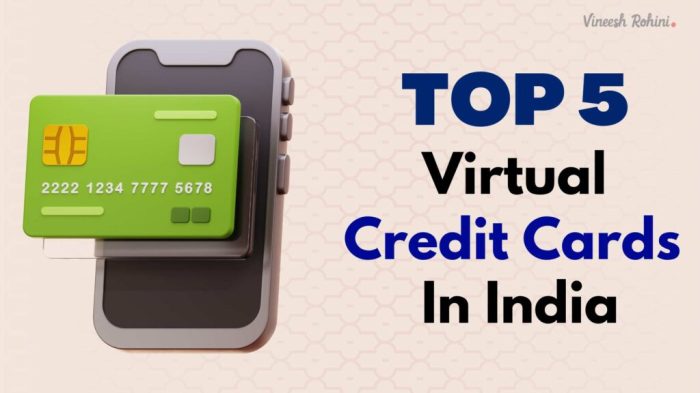
In conclusion, virtual credit cards offer a compelling alternative to traditional credit cards, particularly for online shoppers. Understanding the different types, security measures, and potential benefits empowers you to make informed decisions when choosing the right virtual credit card for your needs. The key takeaway is to prioritize security and research offers before committing to any virtual card.