
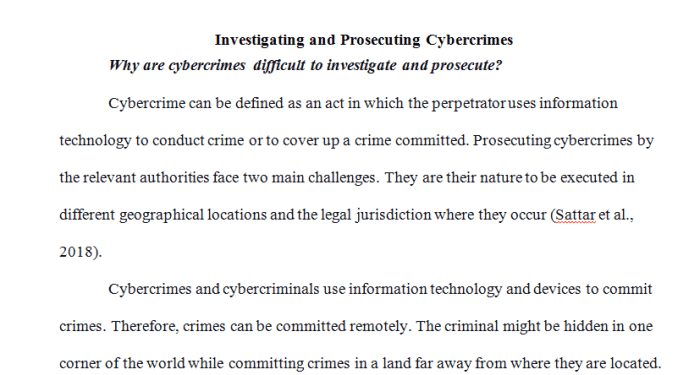
Cybercrime growing harder to prosecute is a looming threat, demanding a deep dive into the evolving landscape of digital crime. From the sophistication of modern attack methods like ransomware and phishing to the complex technicalities of digital evidence gathering, this blog post explores the multifaceted challenges facing law enforcement in bringing cybercriminals to justice.
The increasing sophistication of cybercriminals, coupled with the challenges in gathering digital evidence, jurisdictional hurdles, and the need for international cooperation, creates a formidable barrier to prosecution. This post will explore these elements, examining the role of technology, criminal motivations, and the overall impact on the global fight against cybercrime.
The Evolving Landscape of Cybercrime
Cybercrime, once a niche activity, has evolved into a sophisticated and pervasive threat. The digital landscape, with its interconnected networks and increasing reliance on technology, has created new avenues for criminals and amplified the impact of their actions. This evolution demands a continuous adaptation of security measures and a deep understanding of the tactics employed by cybercriminals.The constant evolution of technology fuels the growth and sophistication of cybercrime.
This necessitates a comprehensive understanding of the historical trends and the emerging techniques used by perpetrators to better safeguard against future attacks. From rudimentary hacking to sophisticated ransomware campaigns, the methods employed have become more intricate and dangerous.
Historical Overview of Cybercrime
Cybercrime has a long history, evolving alongside technology. Early forms of cybercrime focused on simple vandalism and unauthorized access. As the internet expanded, so did the sophistication of attacks, moving from individual hackers to organized crime syndicates. The development of the internet and the World Wide Web, coupled with advances in computer technology, allowed for the expansion of cybercrime tactics and techniques.
The ability to access and manipulate data remotely has transformed the landscape of criminal activity. This evolution underscores the importance of continuous adaptation and vigilance in combating this growing threat.
Sophistication of Cybercriminals
Cybercriminals are becoming increasingly sophisticated, employing advanced techniques to evade detection and maximize their gains. Ransomware attacks, where hackers encrypt data and demand payment for its release, have become a significant concern. Phishing, a deceptive technique used to trick individuals into revealing sensitive information, continues to be a major threat. The sophistication of these attacks often makes them difficult to detect and counter.
This growing sophistication is a major challenge for law enforcement and security professionals.
High-Profile Cyberattacks and Prosecution Challenges
High-profile cyberattacks, such as the Sony Pictures Entertainment hack or the WannaCry ransomware attack, illustrate the difficulty in prosecuting cybercriminals. These attacks often target critical infrastructure, businesses, and even governments, highlighting the global impact of cybercrime. The complexity of these attacks, coupled with jurisdictional issues and the lack of international cooperation, often leads to inadequate prosecution and limited accountability for perpetrators.
The global reach of these attacks often transcends national boundaries, hindering effective investigation and prosecution.
Examples of Cybercrimes and Challenges in Prosecution
| Type of Cybercrime | Complexity | Investigation Challenges | Prosecution Challenges |
|---|---|---|---|
| Ransomware | High; often involves encryption techniques and sophisticated payment systems | Tracing the perpetrators, identifying their location, and accessing encrypted data | Jurisdictional issues, proving intent, and obtaining evidence across borders |
| Phishing | Medium; often relies on social engineering and psychological manipulation | Identifying the source of the phishing campaign, tracing the sender, and establishing victim intent | Proof of victim deception and lack of knowledge regarding the crime, establishing intent and the nature of the crime |
| Malware Distribution | Variable; from simple viruses to complex botnets | Tracking the spread of malware, identifying infected systems, and analyzing the malware code | Establishing intent and tracing the source of malware distribution, often across multiple countries |
Impact of Globalization on Cybercrime
Globalization has significantly expanded the scope of cybercrime. Criminals can operate across borders, making it difficult to track and prosecute them. International cooperation is crucial in combating cybercrime, but it is often lacking due to varying legal systems and political complexities. This lack of international cooperation allows criminals to operate with impunity. The ability of criminals to operate across borders, often exploiting the complexities of international law, creates significant challenges for law enforcement.
Challenges in Gathering Evidence
Prosecution of cybercrimes is significantly hampered by the inherent complexities of digital evidence. The sheer volume of data generated daily, coupled with the ever-evolving nature of technology, makes traditional investigative methods inadequate. Investigators face a daunting task in navigating the digital labyrinth to uncover the truth and hold perpetrators accountable.The intricate nature of digital landscapes, spanning various operating systems, cloud platforms, and encrypted communication channels, poses significant challenges in collecting and analyzing relevant evidence.
This often requires specialized expertise that is in short supply, creating a critical knowledge gap in the fight against cybercrime. Furthermore, the dynamic nature of digital evidence, often susceptible to alteration or deletion, necessitates meticulous preservation strategies and adherence to strict legal protocols.
Technical Complexities in Collecting Digital Evidence
Gathering digital evidence requires specialized tools and techniques that can access and extract data from a multitude of sources. The sheer volume and variety of data stored on different devices and platforms—from personal computers to mobile phones, cloud storage, and embedded systems—present significant challenges. Extracting relevant information from encrypted data, for instance, requires specialized decryption tools and expertise, while forensic imaging of hard drives or other storage media needs meticulous handling to avoid data corruption.
Need for Specialized Digital Forensics Expertise
The field of digital forensics demands highly specialized skills and knowledge. Investigators must possess a deep understanding of computer networks, operating systems, and data structures. They must also be adept at using sophisticated forensic tools and techniques to extract, analyze, and interpret digital evidence. Unfortunately, there’s a critical shortage of qualified digital forensic professionals worldwide. This shortage leads to delays in investigations, inadequate analysis of evidence, and ultimately, weakened prosecution efforts.
Many cases rely on the availability of experts, who may be overloaded with work and unable to respond to all requests, creating significant backlogs.
Preserving Digital Evidence: Data Integrity and Chain of Custody
Preserving the integrity of digital evidence is crucial to ensure its admissibility in court. This involves meticulously documenting every step of the collection process, including the acquisition of the data, the use of specific tools, and any potential alterations or modifications. Maintaining a clear chain of custody is paramount. This documentation must meticulously track every individual who handled the evidence, outlining their roles and responsibilities.
Failure to adhere to strict protocols can jeopardize the validity of the evidence, hindering successful prosecutions.
Obstacles in Obtaining International Cooperation and Cross-Border Legal Assistance
International cooperation is essential in cybercrime investigations that transcend national borders. However, differences in legal frameworks, jurisdictions, and investigative procedures often create significant obstacles. Different countries may have varying legal interpretations of evidence, digital forensics protocols, and data retention policies, leading to conflicts in obtaining necessary information or assistance. Harmonizing these differences and establishing clear international standards is crucial for successful cross-border collaborations.
Types of Digital Evidence and Collection Tools
| Type of Digital Evidence | Specific Tools Used for Collection and Analysis |
|---|---|
| Hard Drive Images | Forensic imaging tools (e.g., AccessData FTK Imager, Cellebrite UFED), disk cloning software |
| Network Logs | Network packet analyzers (e.g., Wireshark), log file analysis tools |
| Emails and Messaging | Email forensic tools, messaging application extractors |
| Cloud Data | Cloud forensics tools (e.g., cloud-based data extraction software), cloud-specific APIs |
| Mobile Device Data | Mobile forensic tools (e.g., Cellebrite, Oxygen Forensic), specialized phone extraction software |
“The increasing complexity of digital evidence requires a more comprehensive approach to evidence gathering, one that includes specialized tools, expert knowledge, and rigorous adherence to legal procedures.”
Legal and Regulatory Hurdles
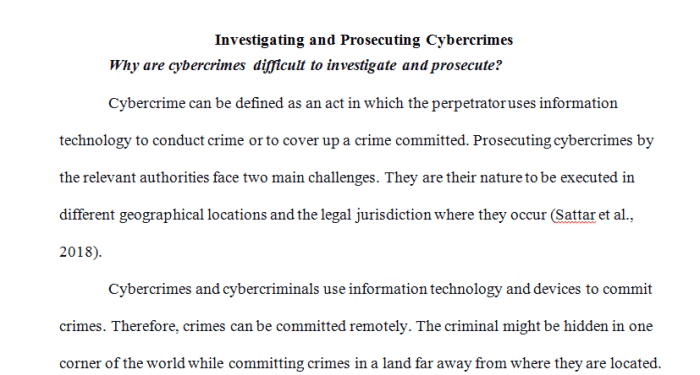
Navigating the digital frontier of cybercrime presents unique challenges for law enforcement and legal systems. Existing legal frameworks, often designed for more traditional forms of crime, struggle to keep pace with the evolving nature of cyberattacks. This creates significant limitations in effectively prosecuting perpetrators and protecting victims. The complexities of jurisdiction, international cooperation, and the acquisition of evidence further compound the problem.Current laws and regulations often lack the specific provisions needed to address sophisticated cybercrimes, like ransomware attacks or the exploitation of vulnerabilities in complex software systems.
It’s getting increasingly tough to track down cybercriminals, which is a real headache for law enforcement. Companies like Ethan Allen, for example, are having to adapt to the ever-changing online landscape by reimagining their digital storefront. Ethan Allen redecorates e commerce presence to stay ahead of the curve. Ultimately, though, this just highlights the growing complexity of fighting cybercrime in the digital age.
The rapid advancement of technology outpaces the ability of legislative bodies to adapt and create new laws that effectively address these issues.
Limitations of Current Laws and Regulations
Existing legal frameworks are frequently ill-equipped to handle the intricate nature of cybercrimes. Laws often struggle to define the boundaries of digital activity, making it challenging to establish culpability. For example, determining intent in distributed denial-of-service (DDoS) attacks can be difficult, and the lines between legitimate hacking and malicious activity can be blurry.
Jurisdictional and International Cooperation Challenges, Cybercrime growing harder to prosecute
Cybercrime transcends geographical boundaries. Determining the appropriate jurisdiction for prosecuting a cybercriminal is often complex, especially when the attack originates in one country and targets systems or data in another. International cooperation is crucial but often hindered by differing legal systems and varying levels of trust between nations. The absence of a universally recognized legal framework for handling cybercrimes complicates cross-border investigations.
Challenges in Obtaining Warrants and Subpoenas in Cross-Border Investigations
Securing warrants and subpoenas across international borders is a significant hurdle. Differences in legal procedures, evidentiary standards, and mutual legal assistance treaties can make it challenging to obtain the necessary evidence to build a case. This is particularly problematic in cases involving sensitive data or complex digital forensic investigations.
Examples of Legislative Gaps and Their Impact on Successful Prosecutions
Numerous legislative gaps exist, hindering the successful prosecution of cybercriminals. The lack of specific legislation regarding cryptocurrency-based crimes, for instance, creates difficulties in tracing funds and holding perpetrators accountable. The absence of clear regulations for the use of artificial intelligence (AI) in cyberattacks also poses significant challenges in determining culpability.
Comparison of Legal Frameworks and Effectiveness
Different countries employ varying legal frameworks to combat cybercrime. Some nations have adopted comprehensive legislation, while others have less robust provisions. For instance, the EU’s General Data Protection Regulation (GDPR) has been influential in setting standards for data protection, but its impact on cybercrime prosecution is still being evaluated. Comparing the effectiveness of these frameworks requires considering factors like enforcement capacity, technical expertise, and political will.
No single framework appears universally superior, suggesting a need for ongoing adaptation and collaboration.
It’s getting increasingly tough to crack down on cybercrime, with new tactics and anonymity tools making prosecution a real challenge. Meanwhile, the Amazon boycott rhetoric is reaching absurd heights, with some people advocating for boycotts over issues that seem completely out of proportion, like Amazon’s stance on delivery drones. This distraction from the real complexities of cybercrime, unfortunately, only makes it harder to find and punish the real criminals behind the digital threats.
International Cooperation and Law Enforcement: Cybercrime Growing Harder To Prosecute
The fight against cybercrime transcends national borders, demanding a global response. Effective prosecution requires international cooperation, but existing mechanisms often struggle to keep pace with the evolving nature of digital threats. Difficulties in information sharing, jurisdictional ambiguities, and differing legal frameworks hinder the pursuit of perpetrators. This necessitates a stronger focus on international collaboration to combat this growing menace.International cooperation in combating cybercrime is crucial, but it’s currently a patchwork of agreements and initiatives, often lacking the comprehensive framework needed to address the complexity of the issue.
A more unified approach, supported by robust information sharing and standardized legal procedures, is necessary to effectively prosecute cybercriminals operating across multiple jurisdictions.
Current State of International Cooperation
International cooperation in addressing cybercrime is presently characterized by a fragmented approach. While numerous bilateral and multilateral agreements exist, their application is often limited by differing legal systems and jurisdictional ambiguities. This creates a significant obstacle in effectively coordinating investigations and prosecutions. There’s a notable absence of a universally accepted framework for handling cybercrime cases, which further complicates international cooperation.
Need for Improved Information Sharing and Coordination
Effective information sharing between law enforcement agencies is paramount. A centralized database of cybercrime incidents, techniques, and trends, accessible to participating nations, could provide crucial insights. Real-time information exchange on suspect activity, especially across borders, is essential to prevent and disrupt criminal operations. The coordination of efforts through joint investigations and task forces would enhance the ability to identify and apprehend perpetrators.
It’s getting increasingly tough to track down cybercriminals, isn’t it? The sophistication of online scams is making it harder to catch perpetrators, especially as e-commerce continues to evolve. Strategies for success in the booming online marketplace are key; for example, understanding what’s working in e-commerce is crucial for staying ahead of the curve. Learning more about e commerce whats working could help businesses and individuals better protect themselves from fraud.
This, in turn, makes it harder for cybercriminals to operate, eventually impacting their ability to commit crimes.
Obstacles to Effective International Cooperation
Several obstacles hinder effective international cooperation. Varying legal systems and differing standards for evidence admissibility present a major challenge. Jurisdictional ambiguities, where the location of the crime or the location of the perpetrator is unclear, further complicate investigations. Lack of trust and a history of conflicting interests between nations also impact information sharing. Cultural and linguistic barriers also add complexity to investigations.
Role of International Organizations
International organizations play a vital role in fostering cybercrime cooperation. The United Nations Office on Drugs and Crime (UNODC) acts as a central hub for information sharing and the development of best practices. The Council of Europe’s Convention on Cybercrime serves as a model for national legislation, promoting harmonization of laws. These organizations facilitate discussions and collaborations between countries, promoting a shared understanding of cybercrime challenges and potential solutions.
Successful Examples of International Cooperation
| Case | Description | Impact |
|---|---|---|
| Operation Ironside | A coordinated international effort to dismantle a major botnet. | Significant disruption of malicious activity, leading to arrests and seizures of infrastructure. |
| Cooperation in the takedown of a ransomware gang | Law enforcement agencies in multiple countries worked together to identify and arrest members of a ransomware gang operating internationally. | Significant impact on ransomware attacks, demonstrating the effectiveness of international cooperation. |
| Joint investigations into online child exploitation | International law enforcement agencies collaborate on cases involving online child exploitation, sharing evidence and coordinating arrests. | Enhanced ability to locate and prosecute perpetrators of online child exploitation, improving victim protection. |
The Role of Technology in Enhancing Prosecution
The ever-evolving landscape of cybercrime necessitates innovative approaches to investigation and prosecution. Traditional methods are often inadequate in combating sophisticated criminal activities that leverage advanced technology. This section explores the crucial role of technology in bolstering law enforcement’s capacity to combat cybercrime effectively.
Artificial Intelligence and Machine Learning in Investigations
Artificial intelligence (AI) and machine learning (ML) are proving invaluable tools in identifying patterns and anomalies in massive datasets. AI algorithms can sift through terabytes of data, including network traffic logs, email communications, and social media posts, to identify suspicious behavior. This allows investigators to pinpoint potential cybercriminals and their activities with increased efficiency. For example, AI-powered systems can detect anomalies in financial transactions, predict potential attacks, and analyze encrypted communications.
The potential of AI is not limited to detecting criminal activity; it can also assist in analyzing evidence, predicting future attacks, and even assisting in the development of defense strategies.
Data Analytics for Identifying Patterns
Data analytics plays a pivotal role in understanding the intricacies of cybercriminal networks. By analyzing large datasets, law enforcement can identify patterns and trends in cybercriminal activities. This allows investigators to uncover the modus operandi of groups, understand their targets, and anticipate their future actions. For instance, analyzing transaction data from online marketplaces can reveal the purchase and sale of stolen data or illicit goods.
Furthermore, identifying geographic clusters of cybercriminal activity can provide crucial insights into the operations and potential locations of cybercriminals.
Blockchain Technology for Tracing Cryptocurrency Transactions
Blockchain technology, while known for its role in cryptocurrency transactions, offers valuable tools for tracing illicit financial activities. The immutable nature of blockchain records allows investigators to follow the movement of cryptocurrency across various wallets and exchanges. This is crucial in tracing the origin and destination of funds derived from cybercrime, like ransomware attacks or the sale of stolen data.
Specialized blockchain analysis tools can decipher complex transaction paths, enabling investigators to identify the perpetrators and recover stolen assets. This has been demonstrated in several cases where law enforcement agencies have used blockchain analysis to track and recover cryptocurrency stolen through cyberattacks.
Ethical Considerations of Advanced Technologies
The increasing use of advanced technologies in cybercrime investigations raises important ethical considerations. Bias in AI algorithms, the potential for misuse of data, and the need for privacy protection must be addressed carefully. Transparency in the use of these technologies is essential to ensure accountability and prevent unwarranted intrusion into the lives of individuals. Careful consideration of the ethical implications is crucial to ensure that these powerful tools are used responsibly and in a way that upholds fundamental rights.
Comparison of Technologies for Enhancing Cybercrime Prosecution
| Technology | Potential Applications | Challenges |
|---|---|---|
| Artificial Intelligence (AI) | Detecting anomalies, analyzing evidence, predicting attacks, developing defense strategies | Bias in algorithms, data privacy, potential for misuse |
| Data Analytics | Identifying patterns and trends in criminal activities, uncovering modus operandi, predicting future actions | Data volume and complexity, need for specialized expertise |
| Blockchain Technology | Tracing cryptocurrency transactions, identifying perpetrators, recovering stolen assets | Complexity of blockchain analysis, need for specialized tools, privacy concerns |
The Impact of Criminal Motivation
Cybercrime, a constantly evolving threat, is no longer simply about financial gain. Understanding the diverse motivations behind these actions is crucial for effective prosecution and prevention. From the calculated financial schemes to the politically motivated attacks and even ideological drives, the spectrum of criminal motivations complicates investigations and necessitates a nuanced approach.The motivations behind cybercrime, ranging from profit to political and ideological objectives, directly influence the methods used, the targets chosen, and the complexity of investigations.
Financial gain remains a primary motivator, but other forces, such as the desire to cause disruption, spread propaganda, or advance a particular agenda, also drive cybercriminal activity.
Different Motivations Behind Cybercrime
Various motivations fuel cybercriminal activities, often intertwined or overlapping. Financial gain, a primary motivator, often involves targeting individuals and organizations for theft, fraud, and extortion. Political motives, however, involve actions aimed at disrupting systems, influencing elections, or promoting a particular ideology. Ideological motivations may be related to activism or social justice, but these can also lead to criminal acts such as cyberattacks against institutions or individuals deemed opponents.
Influence on Investigation Complexity
The complexity of cybercrime investigations is significantly affected by the motivation behind the crime. Financial motivations often involve tracing transactions and identifying individuals involved in complex money laundering schemes. Political motivations require analyzing patterns of disruption and identifying the groups or individuals behind them. Investigations into cybercrime driven by ideological beliefs require a thorough understanding of the beliefs and intentions of the perpetrators to comprehend the broader context of their actions.
Prosecution Strategies Informed by Motivation
Understanding criminal motivation is essential for developing effective prosecution strategies. For instance, prosecuting cybercriminals driven by financial gain requires a strong focus on tracing money flows and building evidence of fraudulent activities. Political motivations might necessitate collaboration with intelligence agencies and international law enforcement to expose the broader conspiracy. Ideological motivations require a comprehensive understanding of the perpetrator’s ideology to develop strategies that address the underlying causes.
Cross-Border Cybercrime Challenges
Prosecution of cybercriminals operating across borders presents significant challenges. Jurisdictional issues arise as cyberattacks may originate in one country but target victims in another, making it difficult to establish legal jurisdiction. Different legal systems and varying degrees of international cooperation create complexities in the process of gathering evidence and pursuing investigations. Different legal standards and procedures further complicate the pursuit of justice across borders.
Insights into Cybercriminal Mindsets
Cybercriminals exhibit a variety of mindsets, often driven by a combination of factors. Some are highly technical, focused on exploiting vulnerabilities and bypassing security measures. Others are more opportunistic, leveraging existing tools and techniques to maximize gains. Some are driven by a strong desire to inflict harm, while others are motivated by financial gain. Understanding these motivations, however, requires a careful approach to investigate these criminal mindsets.
The criminal mindset of a cybercriminal can be observed in their choice of tactics, their planning, and their execution of attacks.
Final Summary
In conclusion, the fight against cybercrime is far from over. The evolving nature of cyberattacks, coupled with the technical and legal complexities of prosecution, necessitates a multifaceted approach. International cooperation, technological advancements, and a better understanding of criminal motivations are crucial to enhancing our ability to combat this growing threat. This complex landscape requires a proactive and collaborative effort from law enforcement, technology experts, and policymakers to ensure effective prosecution and a safer digital world.