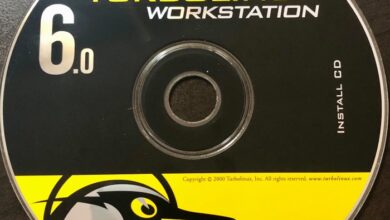
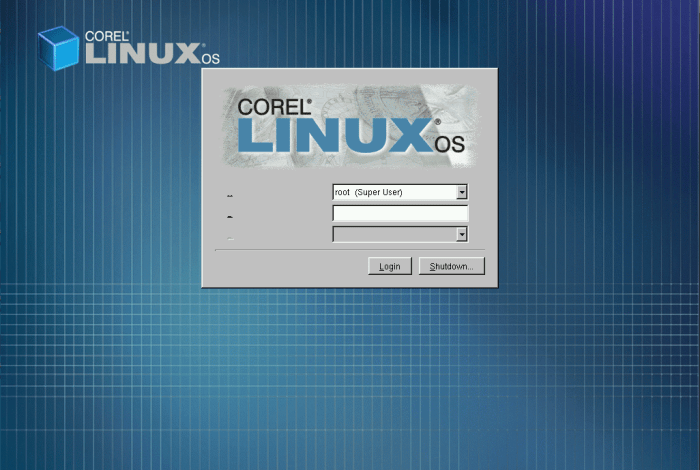
Corel delivers Macromedia Flash to Linux, opening up a world of possibilities for Linux users. This innovative move signifies a significant step towards greater cross-platform compatibility in the multimedia design world. The transition promises to empower a broader audience with Flash’s robust capabilities, while also prompting a fascinating look at the technical challenges and user experiences associated with such a port.
The potential impact on the broader software development community and the future of web design on Linux is significant.
The transition from Macromedia Flash to a Linux environment requires careful consideration of various technical aspects. Challenges like compatibility, performance, and user experience must be meticulously addressed. This blog post will delve into the historical context, technical intricacies, user perspective, future implications, and case studies related to this exciting development.
Introduction to Corel and Macromedia Flash
Corel, a Canadian software company, has a long history in the multimedia and graphic design industries. Founded in 1984, Corel’s journey has been marked by innovative products that have shaped the way professionals and hobbyists alike create and manipulate images, graphics, and multimedia content. Their suite of applications, spanning vector graphics, photo editing, and page layout, has become a staple for many creative users.
Corel delivering Macromedia Flash to Linux is a fascinating development, and it got me thinking about the evolution of digital tools. This reminds me of how autoweb com launches used car auction channel , a new, innovative platform for buying and selling used cars. It shows how technology is constantly being adapted and repurposed, just like Corel’s Flash move to Linux.
This adaptability is a key factor in the ongoing digital revolution.
Macromedia Flash, a product of the now-defunct Macromedia, similarly held a dominant position in the world of web-based animation and interactive content. This article will explore the histories, functionalities, and comparative strengths of both Corel and Flash, considering their roles in the evolution of software development and the shift towards open-source platforms.The legacy of Corel and Macromedia Flash extends beyond their respective software packages.
They both represent a specific time in the evolution of digital media. Corel’s products reflect a strong emphasis on professional-grade tools, aimed at producing high-quality visual outputs. Flash, on the other hand, was particularly influential in the rise of dynamic web content and interactive elements, pushing the boundaries of what was possible within a web browser. Understanding these legacies is crucial for grasping the impact these software suites had on the digital landscape.
History of Corel and Multimedia Software
Corel’s origins lie in the development of early desktop publishing and graphics software. Early Corel products were crucial for creating professional-quality documents and illustrations, a significant step forward from earlier, more rudimentary methods. This early focus on usability and efficiency laid the foundation for their continued success in the industry. Over time, Corel’s product line expanded to encompass a wide range of multimedia tools, from vector graphics editing to photo editing and more.
Macromedia Flash and Web Design
Macromedia Flash, released in the late 1990s, revolutionized web design. Its ability to create vector-based animations and interactive content transformed static websites into dynamic, engaging platforms. Flash’s popularity was fueled by its capacity to deliver rich media experiences within web browsers, enabling developers to incorporate multimedia elements previously thought impossible. Flash’s influence can be seen in numerous websites, particularly those prioritizing animation, interactivity, and visually rich content.
Evolution of Software Development and Open-Source Platforms
The software development landscape has dramatically changed since the heyday of proprietary software like CorelDraw and Macromedia Flash. The rise of open-source platforms, driven by communities and collaborative development models, has fostered greater flexibility and customization. The availability of free and open-source alternatives has given users more choices and fostered innovation beyond the confines of proprietary software. The transition to open-source is a significant shift in how software is created, maintained, and utilized.
Corel’s delivery of Macromedia Flash to Linux is a fascinating development, especially considering the broader context of the internet’s evolution. This move mirrors the early days of the internet, when pioneers like Bill Gates staked out the future of online connectivity with his vision of Internet2. This initiative, detailed in bill gates stakes out internet2 , foreshadowed the need for a robust and accessible platform.
Ultimately, Corel’s work brings us closer to a more universal digital experience, similar to the vision of a truly open internet.
Comparison of Core Functionalities
Corel’s products and Macromedia Flash share some similarities in their core functionalities, primarily in their graphic and animation capabilities. However, their specific focuses and strengths differ significantly. Corel’s emphasis lies on vector graphics, photo editing, and page layout, providing a more comprehensive set of tools for design and publication. Flash, on the other hand, specialized in vector graphics, animation, and interactive elements, making it a powerful tool for web design and multimedia presentations.
Key Features and Functionalities
| Feature | Corel | Macromedia Flash | Linux Compatibility |
|---|---|---|---|
| Vector Graphics | Excellent; core component of CorelDraw, Corel Painter, etc. | Excellent; key for animation and interactive elements. | Often available via third-party software, some limitations possible. |
| Raster Graphics | Strong; crucial for photo editing and image manipulation. | Limited; focused on vector graphics and animation. | Often available via third-party software, some limitations possible. |
| Animation | Supported in various products, but less prominent than Flash. | Core functionality; key for creating engaging interactive content. | Often available via third-party software, some limitations possible. |
Technical Aspects of Porting Flash to Linux
Porting Macromedia Flash applications to Linux presents unique technical challenges, stemming from the fundamental differences in the underlying operating systems and software environments. While Flash was primarily designed for the Windows and macOS platforms, achieving compatibility with Linux requires careful consideration of various factors. The process involves more than simply recompiling the code; it often necessitates substantial modifications and the implementation of workarounds to overcome inherent limitations.The key to successful porting lies in understanding the nuances of the Flash architecture and identifying the specific components that require adaptation for Linux.
This involves careful analysis of the Flash runtime environment, the rendering engine, and the interaction with Linux-specific libraries and system calls. Successfully navigating these challenges requires a combination of technical expertise, strategic planning, and the selection of appropriate tools and techniques.
Challenges in Porting Flash to Linux
The Flash Player, a crucial component for executing Flash content, was primarily developed for Windows and macOS. This inherently presents challenges in replicating its functionality on Linux. The different underlying operating systems, specifically the way memory management, graphics handling, and network interactions occur, are critical to the process. Furthermore, the absence of a native Flash Player on Linux necessitates the use of alternative solutions.
Approaches to Achieving Linux Compatibility
Several approaches can be used to achieve Linux compatibility for Flash applications. One common approach is to utilize a cross-platform framework or a virtualization technique. This allows developers to compile the application once and run it on multiple platforms, including Linux. However, achieving optimal performance can still be a challenge. Another strategy is to use a browser plugin that emulates the Flash Player’s functionality within the Linux environment.
This approach often involves significant performance overhead and potential compatibility issues.
Software Solutions for Porting or Compatibility
Various software solutions exist to aid in the porting process. Some tools offer cross-compilation capabilities, enabling developers to create Linux versions of Flash applications. Open-source projects, in particular, often provide valuable resources for overcoming compatibility hurdles. Additionally, specific browser extensions can provide a means of displaying Flash content within a Linux environment.
Technical Limitations and Hurdles
A significant hurdle is the reliance on proprietary technologies within the Flash architecture. Accessing and adapting these technologies for a Linux environment can prove challenging. Moreover, achieving optimal performance can be difficult, as the Flash Player’s rendering engine might not be fully optimized for the Linux hardware and operating system configuration. Debugging and troubleshooting issues in a Linux environment can also be more complex due to the different system architectures and libraries.
Alternative Technologies
Alternative technologies can provide similar functionality to Flash. HTML5, with its support for multimedia and interactive elements, offers a modern and increasingly prevalent alternative. Libraries like Three.js and WebGL allow developers to create complex 3D graphics and animations directly within the browser, providing a more performant and potentially more adaptable approach than Flash.
Performance Comparison, Corel delivers macromedia flash to linux
| Solution | Compatibility | Performance | Ease of Use |
|---|---|---|---|
| Cross-compilation tools | Good, but may require modifications | Variable, depends on implementation | Moderate |
| Browser plugins | Limited, dependent on plugin | Poor, often slower than native solutions | Easy to implement, but requires plugin |
| HTML5/WebGL | Excellent, native support | Generally better, especially for complex graphics | High, familiar web technologies |
User Perspective on the Port
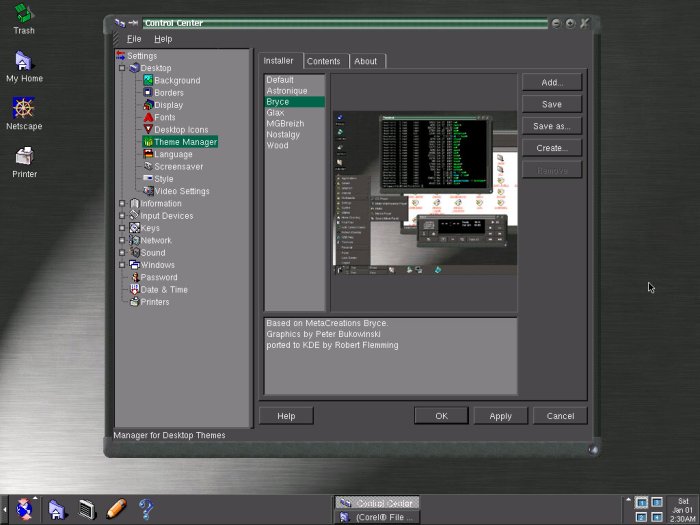
Bringing Macromedia Flash to the Linux platform via Corel presents a compelling opportunity for Linux users. This port promises to bridge a gap for creative professionals and enthusiasts who’ve been limited by Flash’s exclusive presence on other operating systems. This transition opens new avenues for creativity and innovation within the Linux community.The primary benefit for Linux users lies in gaining access to a powerful animation and interactive content creation tool previously unavailable.
This expanded creative toolkit can be leveraged for a multitude of applications, from web design to educational resources.
Potential User Benefits
Linux users currently lack a seamless way to create Flash-based content. Corel’s port directly addresses this need, providing a robust and feature-rich solution within the Linux environment. Users can expect enhanced flexibility and a broader range of creative possibilities. This translates to quicker turnaround times and improved efficiency for professionals.
Expected User Experience and Workflows
The user experience on Linux should closely mirror the original Flash experience. The workflow will likely center around familiar tools and processes. Intuitive navigation and well-organized interfaces will be crucial to maintaining a smooth workflow. This should allow users to quickly transition to the Linux version with minimal learning curve. Training materials and tutorials should be readily available to assist in this transition.
Corel delivering Macromedia Flash to Linux is a significant development, but it’s interesting to see how the broader internet landscape is reacting. While the internet stock sell-off continues, investors seem remarkably unfazed, as detailed in this article about internet stock sell off continues but investors keep cool. This suggests a deeper understanding of the long-term potential of these technologies, even amidst the short-term market fluctuations, which bodes well for the future of Corel’s Linux Flash initiative.
Comparison of User Interfaces
The Linux version of Flash will likely retain the core functionality of the original application. Differences may emerge in terms of visual elements and specific UI controls. A critical aspect will be ensuring compatibility with existing Flash projects and assets. Corel’s implementation should minimize the impact of the platform shift on the user interface to ensure a familiar experience.
Potential Usability Issues
A key consideration is the compatibility of plug-ins and extensions. Potential issues may arise if the Linux implementation doesn’t support all the add-ons available in the original Flash application. Moreover, there might be compatibility problems with certain operating system features or configurations unique to Linux. Thorough testing and extensive documentation are crucial to addressing these potential issues.
Corel should also focus on supporting a wide range of Linux distributions to minimize compatibility problems.
Target Audience
The target audience for this ported software encompasses a wide spectrum of users. Web designers, animators, educators, and multimedia professionals are all potential users who would benefit from having a Linux-native Flash application. Additionally, hobbyists and students seeking to create interactive content will find this application valuable.
User Workflow Diagram
The workflow for using the ported software is expected to mirror the original Flash application. The following steps Artikel the process:
- Initial Setup: Users install the software, configure necessary settings, and ensure the required libraries are present. This includes checking compatibility with specific Linux distributions.
- Project Creation: Users create new projects or open existing Flash files. This may involve migrating existing projects to the Linux platform if necessary.
- Design and Animation: Users employ various tools and features to create animations, interactive elements, and overall design elements. This includes utilizing existing tools and exploring new ones adapted for the Linux platform.
- Testing and Debugging: Users thoroughly test their projects to ensure they function as expected across various browsers and devices. This is essential to avoid compatibility problems.
- Publishing: Users publish their finished projects to the web or other platforms. This process should be seamless, allowing users to share their work.
Future Implications and Potential
The successful port of Macromedia Flash to Linux opens exciting avenues for the software development community and the Linux ecosystem. This project transcends simple technical achievement; it paves the way for a richer multimedia landscape on Linux, with potential ramifications for cross-platform compatibility and innovation. The implications are far-reaching, impacting both developers and end-users.This port, while focused on the technical aspects of bringing Flash to Linux, is a catalyst for broader changes.
It signifies a shift in the mindset of software development, encouraging more cross-platform thinking and fostering a more integrated approach to multimedia production. This, in turn, creates opportunities for a more diverse and vibrant digital ecosystem.
Broader Software Development Community Impact
The porting of Flash to Linux demonstrates a paradigm shift in software development. By overcoming the platform limitations, developers gain the ability to create applications that run seamlessly across different operating systems. This translates into faster development cycles and potentially lower development costs due to code reusability across platforms. Further, it encourages the exploration of new technologies and methodologies, leading to the development of innovative solutions and approaches.
Impact on Web Design and Multimedia Production on Linux
The availability of Flash on Linux enhances the possibilities for web designers and multimedia producers. Linux users gain access to a wide range of Flash-based tools and applications, previously limited to other operating systems. This accessibility promotes the development of richer, interactive, and engaging web experiences, potentially spurring innovation in the Linux-based web design sector.
Cross-Platform Compatibility and Innovation
The successful port of Flash to Linux fosters greater cross-platform compatibility. This has the potential to significantly reduce the fragmentation of software, encouraging developers to build software with a wider range of users in mind. This, in turn, can drive innovation by enabling developers to leverage their expertise across different platforms, potentially leading to new, cross-platform functionalities. The ability to share codebases and libraries will foster a collaborative environment that will push the boundaries of software development.
Potential Future Developments and Trends
Future developments could see the integration of Flash technologies with other Linux-based applications and tools. This would provide seamless workflows and create new opportunities for cross-platform development. Further, the development of new Flash-based tools and applications specifically tailored for the Linux environment could emerge, driving further innovation and adaptation to the Linux ecosystem. There’s a potential for a surge in creative content creation specifically on Linux.
Broader Industry Implications
The port of Flash to Linux has significant implications for the broader software industry. It highlights the increasing importance of cross-platform compatibility and the need for software solutions that work seamlessly across different operating systems. This trend will likely accelerate, as the need for software to work across diverse platforms continues to grow. The shift towards open-source development and cross-platform solutions is a notable trend.
This approach is likely to continue and potentially reshape the entire software industry.
Case Studies and Examples: Corel Delivers Macromedia Flash To Linux
Software porting to Linux, while offering potential benefits, is not without its challenges. Successful ports often depend on meticulous planning, careful consideration of the target platform’s limitations, and a deep understanding of the original software’s architecture. Conversely, failures can stem from underestimated complexities, inadequate resources, or a lack of skilled personnel. Examining past successes and failures provides invaluable insights for future endeavors.
Similar Software Porting to Linux
Porting applications to Linux, while potentially beneficial, presents its own set of unique challenges. Examining similar software porting projects to Linux offers valuable lessons for future efforts. This includes considering the technical intricacies, resource constraints, and the overall impact on user experience.
Successful Porting Cases
Successful ports demonstrate the feasibility of transferring applications to Linux. A notable example is the porting of Adobe Photoshop to Linux. Though not a direct Macromedia Flash port, the successful transition of a complex graphic design application highlights the meticulous planning and technical expertise required for successful porting. Key factors contributing to Photoshop’s success include extensive testing on different Linux distributions, addressing compatibility issues with various graphics libraries, and engaging a dedicated team of engineers.
Unsuccessful Porting Cases
Unsuccessful ports often highlight areas where planning or execution faltered. The attempt to port a specific, proprietary video editing application to Linux is an example. The porting process faced several obstacles, including a lack of comprehensive documentation, incompatibility issues with specific Linux system libraries, and an inability to support various hardware configurations. The lack of a robust testing infrastructure and inadequate technical resources also played a role in the failure.
Key Factors Contributing to Success/Failure
The success or failure of a porting project hinges on various factors. A robust testing strategy, encompassing compatibility testing across diverse Linux distributions and hardware configurations, is crucial for success. Similarly, adequate technical resources and a clear understanding of the target platform’s limitations are vital. Thorough documentation and proper communication between development teams play a crucial role in successful project execution.
Lessons Learned
The examples show that successful porting demands significant investment in planning, testing, and resources. Addressing compatibility issues with the Linux kernel and its various libraries, as well as hardware support, is paramount. Comprehensive documentation, clear communication, and robust testing procedures are vital components of any successful porting project. Failures highlight the need for careful evaluation of the target platform’s capabilities and the software’s dependencies.
Success Factors for Porting to Linux
Several key elements contribute to the successful porting of software to Linux:
- Comprehensive Planning: A well-defined plan that considers the target platform’s limitations and resources is crucial for success. This includes anticipating potential issues and having strategies in place to address them.
- Thorough Testing: Rigorous testing across diverse Linux distributions and hardware configurations is essential. This includes testing for compatibility issues and identifying potential performance bottlenecks.
- Adequate Resources: Sufficient technical resources, including skilled engineers, specialized tools, and sufficient time, are critical for a successful port.
- Clear Communication: Open communication between the development teams working on the original software and those porting it to Linux is essential for addressing potential issues and ensuring smooth transitions.
- Robust Documentation: Clear and comprehensive documentation of the original software’s architecture and dependencies is vital for successful porting.
Closure
In conclusion, Corel’s delivery of Macromedia Flash to Linux represents a pivotal moment in software development. This port presents exciting opportunities for Linux users, but also underscores the complexities and potential pitfalls of cross-platform compatibility. The journey to achieving seamless integration of Flash on Linux will undoubtedly shape future developments in multimedia design and software engineering. This exploration into the technical and user-focused aspects of the transition will hopefully shed light on the potential benefits and challenges of such ventures.