
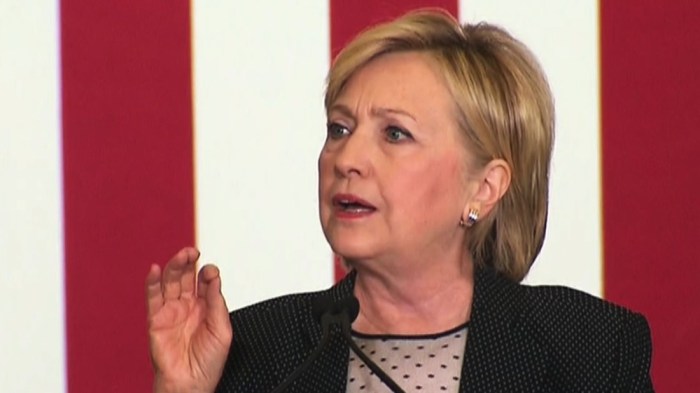
Clinton to convene security summit next week, promising a crucial gathering of global leaders to address the pressing security challenges of our time. This summit, likely to shape the future of international relations, will bring together key figures from various nations, each with their own perspectives and concerns. Anticipating the discussion of critical issues like terrorism, cybersecurity, and climate change, the summit aims to foster collaborative solutions to these complex problems.
The summit’s agenda is expected to cover a broad range of issues, from global health to potential conflicts, aiming to forge a path towards a more secure and stable world.
The summit will likely focus on the geopolitical landscape, analyzing how current events and relationships between nations impact global security. Historical context will also be explored, drawing comparisons to past summits and their outcomes. This will offer valuable insight into the challenges faced and strategies employed in previous attempts to address similar concerns. The expected participants and their roles will also be crucial to understanding the dynamics and potential impact of the summit.
A table comparing the upcoming summit to past ones will provide a framework for understanding the evolution of these efforts.
Background of the Summit
The upcoming security summit, convened by the Clintons, builds upon a legacy of previous gatherings focused on global challenges. While a direct lineage of security summits specifically by the Clintons might not be immediately apparent, the broader context of their involvement in international diplomacy and security issues is significant. This summit seeks to address the complex and interconnected nature of global security threats in the 21st century.This summit is not a singular event but part of a broader effort to foster dialogue and collaboration among world leaders.
It aims to address the evolving landscape of security challenges, acknowledging the interconnectedness of issues like climate change, pandemics, and economic instability, all of which have a direct bearing on international security.
Significant Security Challenges
The world faces a multitude of complex security challenges. Geopolitical tensions are escalating in various regions, leading to conflicts and instability. Cybersecurity threats are increasing, posing risks to critical infrastructure and national security. Economic disparities and resource scarcity are contributing factors to social unrest and conflict. The spread of misinformation and disinformation further complicates the security landscape.
Geopolitical Landscape
The summit’s agenda will be significantly influenced by the current geopolitical climate. The summit is expected to address the evolving relationship between major powers, the rise of new actors in the international arena, and the resurgence of traditional power struggles. Regional conflicts and their impact on global security will be prominent themes. The interplay between economic and security interests will be crucial in shaping the summit’s discussions.
Expected Participants and Roles
The summit will likely involve a diverse range of participants, including heads of state, government officials, security experts, and representatives from international organizations. The expected participants represent a cross-section of nations and stakeholders with diverse roles. These participants will bring unique perspectives and expertise to the table, contributing to the overall goal of fostering a secure and stable global environment.
Their participation is crucial for effective collaboration and information sharing.
Comparison of Past and Upcoming Security Summits
| Feature | Past Summits (Illustrative) | Upcoming Summit |
|---|---|---|
| Date | Varying, depending on specific summit; typically within the past decade. | Next week |
| Location | Various locations, reflecting the global nature of the issues addressed. Examples include major cities in North America and Europe. | Specific location to be determined. |
| Key Issues | Historically, key issues have included terrorism, proliferation of weapons of mass destruction, and regional conflicts. The rise of cyber threats and climate change have become increasingly important topics. | Expected to address the current spectrum of security challenges, including rising geopolitical tensions, climate change, pandemics, and economic instability. |
| Participants | Varying participants depending on the specific event and focus. Generally, participants are from government agencies, NGOs, and international organizations. | Expected to include heads of state, government officials, security experts, and representatives from international organizations. |
Potential Agenda Items
The upcoming security summit promises to be a critical forum for global leaders to address the complex and interconnected challenges facing our world today. This necessitates a robust agenda encompassing a wide range of security concerns, from terrorism and cyber threats to the growing impacts of climate change and global health crises. Effective collaboration and shared responsibility are paramount to fostering a safer and more secure future for all.
Clinton’s security summit next week promises some crucial discussions, but meanwhile, retailers are also busy. Mall.com, for example, is racing to open its doors, showcasing a different kind of security—the security of a thriving retail environment. Their quick turnaround, as detailed in this article mall com races to open doors , highlights the importance of economic security alongside the summit’s focus on global issues.
This all points to a busy week ahead, with both international and local security concerns at the forefront.
Terrorism
The resurgence of extremist ideologies and the evolution of terrorist tactics pose significant threats to global stability. This requires a multifaceted approach that encompasses counter-terrorism strategies, addressing the root causes of radicalization, and enhancing international cooperation in intelligence sharing and law enforcement. Past summits have highlighted the importance of regional partnerships and the need for tailored solutions to address the specific threats in different parts of the world.
For example, the 2019 G7 summit emphasized the need for coordinated efforts to disrupt terrorist financing networks and prevent the spread of extremist propaganda.
- Disrupting terrorist financing networks: Combating the flow of funds to terrorist organizations through enhanced financial monitoring and international cooperation.
- Countering extremist ideologies: Developing strategies to counter the spread of extremist propaganda online and in communities, including initiatives for promoting tolerance and understanding.
- Strengthening international cooperation: Facilitating intelligence sharing and law enforcement collaboration to enhance the ability to track and neutralize terrorist threats.
- Addressing root causes of radicalization: Exploring social, economic, and political factors that contribute to radicalization and promoting inclusive and equitable development.
Cyber Security
The increasing reliance on digital infrastructure has created new vulnerabilities to cyberattacks. Addressing these vulnerabilities necessitates a comprehensive approach that includes enhancing cybersecurity defenses, promoting international cooperation on cybercrime, and establishing global standards for digital security. Similar summits have stressed the need for international cooperation in combating cyber espionage and developing shared cybersecurity norms. The 2022 UN General Assembly highlighted the critical role of governments, the private sector, and civil society in strengthening global cybersecurity frameworks.
- Developing international cybersecurity norms: Establishing clear standards and guidelines for responsible state behavior in cyberspace, including the prohibition of malicious cyber activities.
- Strengthening cybersecurity defenses: Promoting the adoption of robust cybersecurity practices by governments and critical infrastructure sectors to prevent and mitigate cyberattacks.
- Enhancing international cooperation on cybercrime: Facilitating information sharing and joint investigations to combat cybercrime activities, including ransomware attacks and data breaches.
- Promoting cybersecurity education and awareness: Raising awareness about cybersecurity threats and best practices among individuals, organizations, and governments.
Climate Change, Clinton to convene security summit next week
Climate change presents a significant threat to global security, impacting food security, water resources, and human displacement. The need for concerted action to mitigate and adapt to the impacts of climate change is critical. Past summits have emphasized the importance of reducing greenhouse gas emissions and promoting sustainable development. The 2021 Glasgow Climate Pact highlighted the need for urgent action to limit global warming.
- Mitigating greenhouse gas emissions: Implementing policies and strategies to reduce emissions from various sectors, including energy, transportation, and industry.
- Adapting to climate change impacts: Developing and implementing strategies to cope with the effects of climate change, including extreme weather events, sea-level rise, and resource scarcity.
- Promoting sustainable development: Integrating climate considerations into development planning and investment to build resilient and sustainable communities.
- Strengthening international cooperation on climate action: Facilitating collaboration and knowledge sharing among nations to accelerate the transition to a low-carbon economy.
Global Health
The COVID-19 pandemic underscored the interconnectedness of global health and security. Strengthening global health security infrastructure and preparedness is vital. Past summits have emphasized the need for coordinated international efforts to address global health threats. The World Health Organization’s (WHO) response to pandemics and outbreaks, alongside similar summit recommendations, demonstrates the need for proactive measures to prevent and manage future health crises.
- Strengthening global health security infrastructure: Investing in early warning systems, surveillance networks, and pandemic response capacity to detect and manage future health crises.
- Promoting global health cooperation: Facilitating international collaboration and information sharing on health threats, including the development and equitable distribution of vaccines and treatments.
- Addressing health disparities: Addressing health inequities and promoting access to essential health services in vulnerable populations.
- Enhancing pandemic preparedness: Developing and implementing comprehensive strategies to prepare for and respond to future pandemics, including the development of effective communication strategies.
Expected Outcomes and Implications
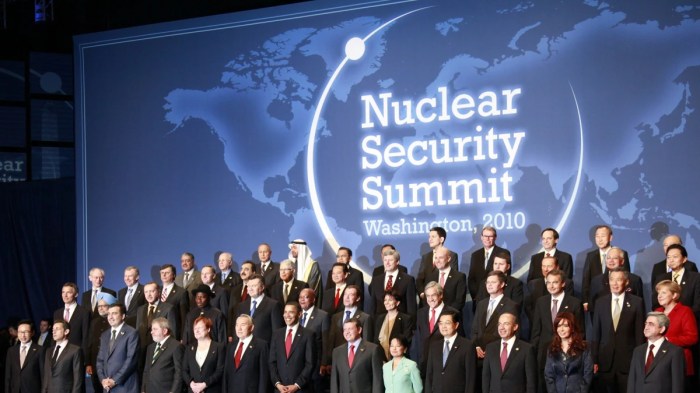
The upcoming security summit, convened by President Clinton, promises to be a pivotal moment in shaping global security strategies. This gathering of world leaders represents a unique opportunity to address pressing global concerns and potentially forge new alliances and agreements. The potential outcomes and implications are significant, impacting everything from international relations to domestic policies.The summit’s impact will be multifaceted, reaching far beyond the immediate discussions.
Understanding the potential implications requires a careful analysis of various scenarios and possible responses from international actors. This analysis will explore potential short-term and long-term effects, anticipated policy changes, and the broader implications for global security.
Potential Outcomes of the Summit
The summit’s success hinges on the ability of participating nations to find common ground on critical security issues. Possible outcomes range from incremental improvements to substantial shifts in global security architecture. Positive outcomes may include renewed commitments to multilateral cooperation, strengthened alliances, and new initiatives for conflict prevention. Conversely, failure to reach consensus could lead to further fragmentation, hindering collaborative efforts and potentially escalating tensions.
Impact on Global Security
The summit’s influence on global security is substantial. A successful summit could bolster international cooperation, promoting stability and reducing the risk of conflict. This could manifest in improved intelligence sharing, coordinated responses to emerging threats, and increased investment in security infrastructure. Conversely, a lack of progress could result in a heightened risk of instability and an increased likelihood of regional conflicts escalating.
The outcome will significantly affect the trajectory of global security for the foreseeable future.
Short-Term and Long-Term Effects
The short-term effects of the summit may be visible in immediate agreements on specific issues, like arms control or counter-terrorism initiatives. The long-term effects will be more profound, potentially reshaping international security frameworks for decades. For example, an agreement on cybersecurity standards could have a significant, long-lasting impact on global trade and communication networks. Similarly, a commitment to climate change mitigation, as a security issue, could set a precedent for future global collaborations.
Examples like the Paris Agreement demonstrate how global summits can influence long-term policies.
Clinton’s security summit next week promises some crucial discussions, but it’s worth noting the surprising move by BMW to market a new vehicle on eBay. This unusual approach by the luxury car maker, detailed in this fascinating article, bmw markets new vehicle on ebay , might offer some interesting insights into the future of automotive sales. Regardless, the summit is still expected to be a significant event in the global security landscape.
International Actor Responses
Responses from international actors will vary significantly, influenced by their individual national interests and priorities. Some nations might embrace the summit’s outcomes enthusiastically, aligning their policies with the agreements reached. Others may adopt a more cautious or skeptical approach, potentially seeking to safeguard their national interests. The diversity of responses will create a dynamic and complex environment, influencing the overall success and implementation of the summit’s goals.
Potential Scenarios
Several scenarios are possible, each with its own set of implications. One scenario involves a successful summit resulting in significant policy changes and increased international cooperation. Another scenario might involve a summit that fails to produce concrete agreements, potentially exacerbating existing tensions. A third scenario could involve a partial success, with some nations agreeing on specific issues while others remain hesitant.
The outcome of the summit will be shaped by the actions and interactions of the participants.
Potential Policy Changes
The summit could lead to various policy changes at both national and international levels. These could include revised arms control agreements, enhanced cybersecurity protocols, and increased funding for international security organizations. Specific examples of policy changes could include revised foreign aid policies, or changes to national defense budgets, in response to the summit’s recommendations. For example, the conclusion of the 1990s’ Cold War summit series led to significant policy changes across many countries.
Clinton’s security summit next week promises some crucial discussions, but did you know that AOL and banks just inked a new online agreement? This new agreement, detailed in aol and banks sign new online agreement , could significantly impact the digital landscape. Ultimately, though, the summit will likely be the more pressing issue in the coming days, focusing on crucial security protocols for the digital age.
Visual Representation of the Summit
The upcoming security summit, convened by former President Clinton, holds immense significance for global diplomacy and international relations. Visual representations of this event will not only highlight its importance but also communicate the spirit of collaboration and problem-solving that underpins the summit’s objectives. These visual elements are crucial for capturing the attention of stakeholders and conveying the summit’s potential impact on the world stage.Visual representations, including the summit’s setting, decision-making processes, and international relationships, serve as crucial tools for understanding and engaging with the summit.
They allow for a broader and more accessible comprehension of the issues at stake and the potential outcomes of this important gathering.
Summit Venue and Setting
The summit venue will be strategically located to symbolize global cooperation. A modern, yet historically significant building, possibly in a city known for its past diplomatic achievements, will be chosen to underscore the summit’s aim of fostering a new era of international understanding. The architecture of the venue should reflect a blend of tradition and innovation, representing the enduring values of diplomacy alongside the evolving needs of the 21st century.
The layout will be designed to facilitate smooth transitions and maximize opportunities for productive discussions among delegates.
Decision-Making Process Flowchart
This flowchart will illustrate the structured approach to decision-making at the summit. Starting with the identification of key security issues, the flowchart will demonstrate the process of discussion, deliberation, consensus-building, and ultimately, the adoption of recommendations. Each stage will be clearly Artikeld, with arrows connecting the various steps to provide a visual representation of the process. Examples of previous successful international collaborations will be incorporated to demonstrate the practicality and effectiveness of this model.
[Start] --> [Identify Key Issues] --> [Discussion & Debate] --> [Consensus Building] --> [Recommendation Adoption] --> [Implementation Plan] --> [End]
Country Relationship Infographic
The infographic will display the interconnectedness of participating countries through a network visualization. Each country will be represented as a node, and the strength of the relationship between them will be depicted through the thickness of the connecting lines.
The graphic will clearly highlight key alliances and partnerships, demonstrating the importance of multilateralism in addressing global security challenges. The visual design will utilize color-coding to represent different levels of collaboration and shared interests.
Summit Venue Image Description
The summit venue is a large, light-gray stone building situated on a hill overlooking a serene, well-maintained park. The building’s façade is characterized by a series of arched windows and intricate carvings that depict scenes of global cooperation and historical figures. The park offers ample space for delegates to relax, meet informally, and engage in informal discussions. The lighting of the building will be strategically designed to create a sense of warmth and openness.
A clear sky and a warm atmosphere will create a positive and productive environment for the summit.
Analysis of Potential Controversies
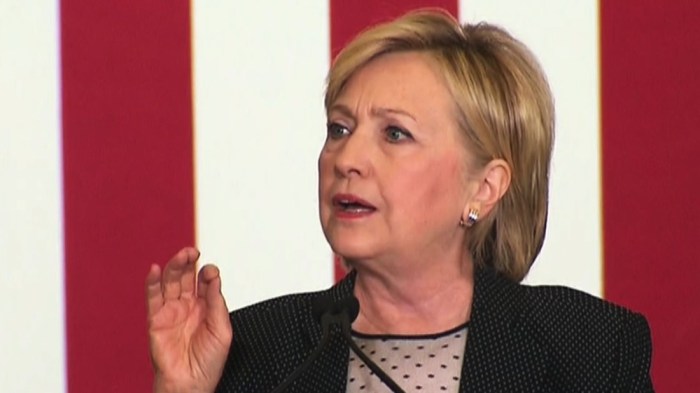
The upcoming security summit promises to be a complex diplomatic undertaking, and inherent within any such gathering are potential areas of disagreement. Understanding these potential conflicts is crucial for anticipating and potentially mitigating the challenges they present. A thorough analysis allows for more effective preparations and strategies for navigating the diplomatic landscape.
Potential Disagreements on Arms Control
Differences in national security priorities and perspectives on arms control often emerge at international summits. Some nations may favor stringent restrictions on certain weapons systems, while others might prioritize the right to self-defense, leading to contrasting viewpoints. Historical precedents show that these disparities can lead to deadlock in negotiations, especially when coupled with concerns about verification mechanisms. For instance, the debates surrounding the Intermediate-Range Nuclear Forces Treaty highlight the difficulties in achieving consensus on arms control measures.
- Differing interpretations of existing treaties can create friction among participants. For example, the interpretation of a particular clause in a treaty might be viewed differently by various nations, potentially causing misunderstandings and disputes.
- Varying perspectives on the role of certain military technologies in maintaining global stability will likely lead to debates and disagreement. Nations may disagree on the need for particular military technologies, the risk of escalation, or the appropriate use of military technologies in a global context.
- Disagreements over the allocation of resources for defense and security will likely arise. Different nations have varying priorities for resource allocation, which might lead to disputes about funding, equipment, and training.
Economic Sanctions and Trade Disputes
Economic sanctions and trade disputes are often sources of contention in international forums. Different nations have differing views on the appropriateness and effectiveness of economic sanctions, and how they impact international trade relations. This divergence in viewpoints can create significant diplomatic hurdles. For example, sanctions imposed on specific countries have often led to retaliatory measures, thereby escalating tensions and disrupting international cooperation.
- Disagreements on the targeting of specific entities or individuals in sanctions regimes will likely emerge. This is often a complex area where differing views on international law, human rights, and national interests collide.
- Varying perspectives on the impact of sanctions on civilian populations are likely to be voiced. There is often debate on the humanitarian consequences of sanctions and how they affect the vulnerable.
- Trade disputes involving different nations can be a point of contention. Disagreements on tariffs, trade practices, and intellectual property rights often lead to heated negotiations.
Table of Potential Controversies
Concluding Remarks: Clinton To Convene Security Summit Next Week
In conclusion, Clinton’s security summit next week promises to be a pivotal moment for global security. The diverse range of issues, from terrorism and cyber threats to climate change and global health, highlight the interconnectedness of challenges in today’s world. The summit’s success hinges on fostering collaboration among participants, achieving a common understanding of the problems, and agreeing upon actionable solutions.
The potential outcomes and implications of this summit will significantly shape the future of international relations, and we can expect to see tangible results that impact our world for years to come.