Clinton backs new internet security center, a project aimed at bolstering online defenses against increasingly sophisticated cyber threats. This initiative represents a significant step forward in the ongoing struggle to secure the digital landscape, building upon past efforts and addressing evolving vulnerabilities. Hillary Clinton’s involvement underscores the importance of this endeavor and its potential to shape the future of internet security.
The center will likely focus on prevention, response, and international cooperation. Its structure, functions, and technological capabilities will be critical to its success. The center’s potential impact on national and international cybersecurity policies will be significant, and public perception and stakeholder engagement will be key to its long-term effectiveness. The initiative is expected to draw upon the lessons learned from past security incidents, as well as cutting-edge research and development.
Background of the Initiative
The digital landscape has undergone a dramatic transformation, and with it, the nature of security threats has evolved. Early internet security concerns were primarily focused on issues like unauthorized access and data breaches, but the sophistication and scale of cyberattacks have grown exponentially. This new internet security center reflects a crucial shift in how we approach these evolving threats.The evolution of cyber threats has mirrored the advancements in technology itself.
Initially, simple viruses and worms posed a challenge. However, the rise of sophisticated malware, ransomware, and targeted attacks against critical infrastructure highlights the escalating complexity of the problem. The sheer volume of data traversing the internet, coupled with the increasing interconnectedness of systems, has created a fertile ground for cybercriminals.The specific circumstances leading to this new center stem from a confluence of factors.
The increasing frequency and severity of major cyberattacks, impacting everything from businesses to governments, underscored the need for a more proactive and coordinated response. The realization that existing security structures were insufficient to address these challenges drove the need for a centralized hub dedicated to internet security. This is especially true given the globalized nature of the internet, requiring international collaboration and coordination.Hillary Clinton’s involvement is significant, likely stemming from her background in foreign policy and her deep understanding of the importance of international cooperation.
Her role in developing and advocating for this initiative likely emphasizes the need for a comprehensive, multi-faceted approach to cybersecurity, leveraging partnerships across governments, private sectors, and academia. Her perspective on the strategic importance of cybersecurity, particularly in the context of national security, likely played a crucial role.The motivations and goals behind the center’s establishment are multifaceted. The center aims to improve information sharing among stakeholders, facilitating faster responses to emerging threats.
This includes providing a platform for collaboration between government agencies, private companies, and researchers. Ultimately, the goal is to enhance the overall security posture of the internet, deterring attacks and mitigating their impact. A strong, proactive approach to cybersecurity is crucial to maintaining a safe and reliable digital environment for everyone.
Structure and Function of the Center
The newly established Internet Security Center represents a significant advancement in national cybersecurity posture. Its robust structure and dedicated personnel are crucial for effectively addressing the ever-evolving threats in the digital landscape. This detailed look into the center’s operations reveals its potential to bolster the nation’s digital defenses.The center’s design prioritizes efficiency and collaboration, fostering a streamlined approach to threat detection and response.
Key personnel are strategically placed to ensure rapid reaction and comprehensive analysis. The technological infrastructure underscores the center’s commitment to state-of-the-art capabilities.
Organizational Structure
The Internet Security Center adopts a hierarchical structure, mirroring the intricate web of interconnected systems it seeks to protect. This structure facilitates clear lines of communication and responsibility, ensuring efficient workflows. At the helm is a director overseeing all operations, directly reporting to the relevant national security authority.
Key Personnel and Responsibilities
The center employs a diverse team of experts, each specializing in a specific area of cybersecurity. Security analysts, for instance, are responsible for monitoring network activity, identifying potential threats, and responding to incidents. Forensic specialists are equipped to investigate security breaches and gather evidence for prosecution. These teams work collaboratively to address various aspects of internet security.
Technological Infrastructure
The center boasts advanced technological infrastructure, including high-performance computing systems, cutting-edge threat detection tools, and a robust data storage system. This infrastructure allows for rapid processing of massive datasets and real-time analysis of network traffic. Sophisticated algorithms and machine learning models are utilized to predict and prevent emerging threats. The technological backbone of the center allows for continuous improvement and adaptation to emerging threats.
Comparison to Existing Initiatives
Comparing this new center to existing internet security initiatives reveals significant advancements. While previous efforts have focused on specific aspects of cybersecurity, this new center integrates a holistic approach, combining threat intelligence, incident response, and proactive measures. It leverages the strengths of past initiatives and expands upon them by providing a centralized hub for all security operations.
Departments and Roles
The center’s structure is divided into several key departments, each with specific roles and responsibilities. This organized approach enhances efficiency and allows for specialization in different areas of expertise. The following table Artikels the various departments and their roles:
| Department | Role | Key Responsibilities | Personnel Focus |
|---|---|---|---|
| Threat Intelligence | Collect, analyze, and disseminate threat information | Monitor online activity, identify emerging threats, and predict potential attacks. | Security Analysts, Intelligence Officers |
| Incident Response | Manage and resolve security incidents | Coordinate response to breaches, contain damage, and recover systems. | Security Engineers, Incident Managers |
| Vulnerability Management | Identify, assess, and mitigate vulnerabilities | Proactively identify weaknesses in systems, recommend fixes, and implement patches. | Security Engineers, Penetration Testers |
| Cybersecurity Operations | Operate and maintain security systems | Monitor network activity, manage security tools, and ensure system integrity. | System Administrators, Network Engineers |
Potential Impact and Implications
The establishment of a new internet security center carries significant potential, promising both positive advancements and potential pitfalls. Understanding these multifaceted implications is crucial for evaluating the initiative’s overall effectiveness and ensuring its long-term success. A balanced assessment of the potential benefits and drawbacks, coupled with an awareness of anticipated challenges, is essential for navigating the complexities of this endeavor.The initiative’s impact will ripple through various sectors, affecting individual users, businesses, and national security interests.
A well-structured center can significantly enhance the nation’s ability to combat cyber threats, while a poorly implemented one could exacerbate existing vulnerabilities. This section will delve into the potential positive and negative impacts, alongside the hurdles the center might face, and its ramifications for global cybersecurity policy.
Positive Impacts on Internet Security, Clinton backs new internet security center
This initiative promises to strengthen the nation’s cyber defenses by fostering collaboration between various stakeholders. A centralized hub for information sharing, threat analysis, and incident response can significantly improve the speed and effectiveness of cybersecurity measures. This, in turn, will likely lead to faster detection and mitigation of cyberattacks, reducing the potential damage and disruption.
Negative Consequences and Drawbacks
While the potential benefits are substantial, the initiative also carries potential downsides. Over-centralization of information and control could lead to vulnerabilities if not meticulously managed. Data privacy concerns must be addressed proactively to avoid unintended consequences for individual users. The risk of bias in threat assessments and policy recommendations, due to the center’s structure and focus, is another potential issue.
A lack of clear lines of accountability could also hinder the initiative’s effectiveness.
Potential Challenges in Achieving Goals
The center’s success hinges on overcoming various hurdles. Resource constraints, including funding, personnel, and technological infrastructure, can significantly impede progress. Another key challenge is establishing and maintaining trust among various stakeholders, ensuring that information is shared openly and securely. Building consensus across diverse interests and maintaining the center’s neutrality in policy recommendations will also be critical.
Implications for National and International Cybersecurity Policies
The creation of this center will undoubtedly shape national cybersecurity policies. The center’s role in information sharing and threat analysis will influence the development of guidelines and standards for online security. It also raises questions about the need for international cooperation and standardization in cybersecurity policies. Potential conflicts between national interests and international collaboration need careful consideration.
Comparison to Similar Initiatives Globally
Globally, several countries have implemented similar initiatives. Examining their experiences and successes—or failures—provides valuable lessons for the new center. Analysis of existing models can identify best practices and potential pitfalls, helping the center learn from previous attempts. Benchmarking against successful global initiatives will be essential for the center’s development and future success.
Structure and Function of the Center
The center’s organizational structure will dictate its effectiveness. A clear division of responsibilities, transparent reporting mechanisms, and well-defined procedures for information sharing are essential for efficient operations. The center should establish clear guidelines for data privacy and security, as well as mechanisms for conflict resolution. A robust incident response team and a dedicated research and development arm are also critical components.
Public Perception and Stakeholder Engagement
The success of any new initiative, particularly one as critical as a national internet security center, hinges on fostering public trust and effective stakeholder engagement. This requires a proactive approach to understanding and addressing public concerns, as well as a clear strategy for involving key players across the government, industry, and individual levels. Building transparency and open communication will be paramount in this process.The public’s perception of the center will be shaped by their understanding of its purpose, capabilities, and the measures taken to ensure its accountability.
Stakeholder engagement is vital to ensure the center addresses the needs of all relevant parties, and a strong outreach strategy will be crucial to fostering a sense of ownership and participation in the center’s mission.
Analyzing Public Reaction and Opinions
Public opinion on the internet security center will be multifaceted and will likely reflect current anxieties surrounding online security and privacy. Understanding these concerns is crucial for proactively addressing them and ensuring public buy-in. Initial reactions will likely vary, ranging from cautious optimism to outright skepticism. Monitoring online discussions, surveys, and focus groups can help to identify key themes and concerns.
Stakeholder Involvement Strategies
Effective stakeholder engagement is essential for the center’s success. This involves actively soliciting input from various stakeholders, including government agencies, industry leaders, and individual citizens.
- Government Agencies: Collaboration with relevant government bodies is critical for establishing clear legal frameworks and ensuring seamless integration with existing security infrastructure. This includes establishing clear lines of communication and responsibility to avoid duplication of effort and to ensure efficient coordination.
- Industry Leaders: The center must foster partnerships with industry leaders in technology, communications, and cybersecurity to share best practices, develop industry standards, and address emerging threats collectively. This will ensure the center’s initiatives are practical and relevant to the evolving landscape of the digital world.
- Individual Citizens: Empowering individuals with knowledge and resources to enhance their online security is crucial. This could include public awareness campaigns, educational materials, and interactive tools. A crucial aspect is providing clear and actionable advice that addresses practical concerns and fosters a sense of personal agency.
Public Outreach and Engagement Strategies
A robust public outreach strategy will be vital for building trust and promoting understanding of the center’s mission and goals. Clear and consistent communication is paramount to conveying the center’s value proposition to all stakeholders.
- Digital Platforms: Leveraging social media, online forums, and other digital platforms to engage with the public directly. This includes interactive Q&A sessions, live webinars, and the dissemination of accessible educational materials.
- Community Events: Organizing town hall meetings, workshops, and seminars in various communities to foster direct interaction and address concerns face-to-face. This approach is critical for building relationships and addressing specific local concerns.
- Educational Resources: Creating readily accessible educational materials (videos, infographics, articles) to explain the center’s functions, mission, and the benefits it offers to the public. Making these resources available in various languages is critical to ensure broad accessibility.
Transparency and Trust-Building
Transparency is essential for building public trust in the internet security center. Open communication about the center’s operations, decision-making processes, and data handling practices will be crucial. The public needs to understand how the center will safeguard their information and privacy.
- Regular Reporting: Publishing regular reports on the center’s activities, including progress on key initiatives, challenges encountered, and lessons learned. These reports should be accessible to the public and transparent about the center’s work.
- Independent Audits: Undertaking regular independent audits of the center’s operations to ensure adherence to established standards and protocols. Transparency regarding these audits is equally critical to build trust.
- Open Data Initiatives: Sharing relevant data on cybersecurity threats and incidents in a structured and easily understandable format. This enables the public to gain insights into the center’s activities and assess its effectiveness.
Potential Public Feedback Summary
| Feedback Category | Potential Concerns | Potential Positive Feedback | Action Plan |
|---|---|---|---|
| Privacy Concerns | Data collection practices, potential misuse of information | Assurance of data security and privacy | Develop robust data protection policies, establish clear data handling procedures, conduct regular privacy impact assessments. |
| Lack of Trust | Limited transparency, perceived bias in decision-making | Demonstrable commitment to accountability and openness | Implement transparent reporting mechanisms, create an independent oversight board, engage in open dialogue with stakeholders. |
| Practical Application | Lack of awareness about how the center can help individuals | Clear understanding of the center’s benefits and how it improves security | Develop public awareness campaigns, provide practical tips and resources, demonstrate real-world applications of the center’s work. |
| Effectiveness | Concerns about the center’s ability to address cyber threats | Confidence in the center’s capabilities | Demonstrate success in addressing current cyber threats, showcase evidence of positive outcomes, provide regular progress updates. |
Future Directions and Potential Improvements
The future of the internet security center hinges on its adaptability and proactive approach to evolving threats. This requires careful consideration of emerging technologies, continuous research, and strategic partnerships. This section explores potential improvements and future directions for the center’s operations, aiming to strengthen its effectiveness in safeguarding the digital realm.The center must anticipate and address new and emerging threats in the ever-evolving digital landscape.
Clinton’s backing of a new internet security center is a significant step, but it’s crucial to consider the broader context. Existing vulnerabilities, like the recent issues with eToys, highlight a critical gap in current protections. The recent incident at eToys falls into the gap demonstrates how crucial robust security measures are. Ultimately, Clinton’s initiative is a positive step, but it’s just one piece of a larger puzzle to ensure a safer digital environment.
This proactive approach is essential to maintain its effectiveness and prevent potential vulnerabilities from impacting the security of individuals and organizations.
Potential Future Directions for Operations
The center should actively explore new technologies, such as artificial intelligence (AI) and machine learning (ML), to enhance its threat detection capabilities. AI can be used to analyze massive datasets of cyber activities in real-time, identifying patterns and anomalies indicative of potential threats. This proactive approach can help the center to respond more quickly and effectively to emerging threats.
For example, the use of AI in fraud detection has significantly reduced losses for financial institutions. The center can also explore partnerships with cybersecurity research institutions to share knowledge and best practices, potentially leading to more effective solutions.
Potential Improvements to Enhance Effectiveness
The center should prioritize the development of user-friendly tools and resources for educating the public about cybersecurity best practices. This will empower individuals to protect themselves from online threats. Creating interactive tutorials, educational videos, and readily accessible information about common cyber threats will equip users with the necessary skills to navigate the digital world safely. For instance, educating users about phishing techniques and the importance of strong passwords can significantly reduce the risk of successful attacks.
Adapting to Emerging Threats and Technologies
The center must adapt its strategies to keep pace with the rapid evolution of cyber threats. This includes staying informed about emerging technologies and their potential vulnerabilities. As technologies like the Internet of Things (IoT) become more prevalent, the center needs to address the unique security challenges they present. IoT devices, while providing convenience, can introduce new avenues for attacks if not properly secured.
Thorough analysis of vulnerabilities in emerging technologies and a proactive approach to mitigating these risks is critical.
Future Research and Development Initiatives
The center should invest in research and development to explore new methods for detecting and preventing sophisticated cyberattacks. This research should focus on advanced threat detection techniques, such as behavioral analytics and anomaly detection. Collaboration with academic institutions and private sector partners is crucial to accelerate innovation in this area. This includes funding research into innovative methods for detecting zero-day exploits, which are unknown vulnerabilities that attackers can exploit.
Potential Future Partnerships
A proactive approach to security demands collaboration. The table below Artikels potential partnerships that could benefit the center’s operations and expand its reach:
| Partner Type | Potential Partner Examples | Potential Benefits | Potential Challenges |
|---|---|---|---|
| Government Agencies | Federal Bureau of Investigation (FBI), Cybersecurity and Infrastructure Security Agency (CISA) | Access to intelligence, resources, and enforcement capabilities. | Potential bureaucratic hurdles, differing priorities. |
| Private Sector Companies | Major tech companies, cybersecurity firms, cloud providers | Access to cutting-edge technologies, expertise, and resources. | Confidentiality concerns, potential conflicts of interest. |
| Academic Institutions | Universities with cybersecurity research programs | Access to research talent, new insights, and innovative solutions. | Funding limitations, time constraints for research. |
| International Organizations | Interpol, United Nations | International cooperation, sharing of best practices, and combating global cyber threats. | Coordination across different jurisdictions, cultural differences. |
Illustrative Examples
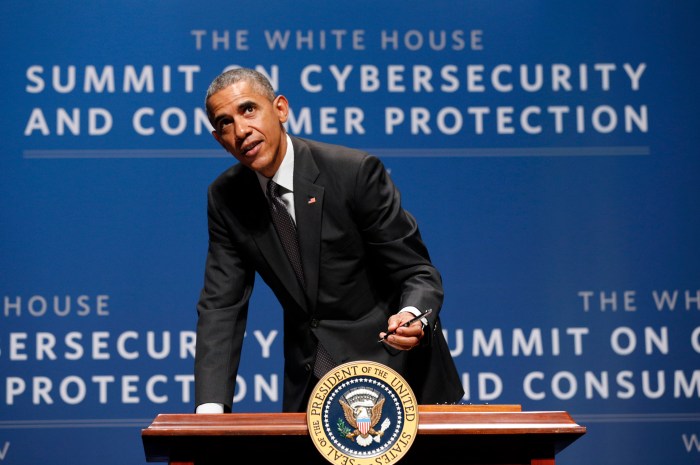
The Clinton Cybersecurity Center will be a vital tool in combating increasingly sophisticated cyberattacks. Illustrative examples provide concrete scenarios to understand the center’s potential role and effectiveness. These examples will show how the center might address various threats and work with international partners.
Clinton’s backing of a new internet security center is a smart move, considering the ever-evolving cyber landscape. It’s interesting to see how this ties into recent news like Staples signing an exclusive affiliate deal with Geocities, a move that could potentially bolster online commerce. Ultimately, stronger internet security is crucial for everyone, and initiatives like this one from Clinton are a positive step in the right direction.
staples signs exclusive affiliate deal with geocities highlights the interconnected nature of online businesses and security measures. This new center promises a more secure digital future.
Hypothetical Cyberattack
A major financial institution experiences a sophisticated ransomware attack targeting its global network. Malicious actors encrypt critical financial data, demanding a substantial ransom payment for its release. The attack quickly spreads across multiple regional servers, affecting international branches and causing significant financial disruptions. The attackers utilize advanced evasion techniques to avoid detection by standard security measures. The Clinton Center would be tasked with coordinating a comprehensive response, involving analysis of the attack vector, containment of the spread, negotiations with the attackers (if deemed appropriate), and ultimately the restoration of data and systems.
Clinton’s backing of a new internet security center is a smart move, especially considering recent cyber threats. It’s a crucial step to protect our digital world, but it also highlights the importance of international cooperation in tackling these issues. For example, the recent sportsline europe invades france event sportsline europe invades france demonstrated how quickly global issues can spread.
Ultimately, a robust international approach to internet security is key, mirroring the need for a global strategy in addressing cyber threats, much like Clinton’s initiative aims to do.
Successful Incident Response Strategy
The UK’s National Cyber Security Centre (NCSC) has demonstrated a successful incident response strategy in several cases. Their approach involves rapid detection, containment, eradication, recovery, and post-incident analysis. A key element is proactive collaboration with affected organizations, providing guidance and support throughout the incident lifecycle. The NCSC’s approach emphasizes the importance of preparedness, training, and continuous improvement.
International Collaboration Scenario
The Clinton Center, in response to a major cyberattack on a critical infrastructure network in a European nation, would engage with international partners. This might involve sharing threat intelligence with allied agencies in the United States, Canada, and other European countries. The center could organize a joint task force, leveraging the expertise and resources of various nations to effectively analyze the attack, identify vulnerabilities, and implement preventative measures.
The cooperation might extend to joint training exercises and the development of best practices for international collaboration in cyberspace.
Cyberattack Flow Chart
+-----------------+
|  Initial Probe   |
+-----------------+
|       |        |
|       V        |
+-----------------+
| Reconnaissance   |
+-----------------+
|       |        |
|       V        |
+-----------------+
| Vulnerability Scan|
+-----------------+
|       |        |
|       V        |
+-----------------+
| Exploitation      |
+-----------------+
|       |        |
|       V        |
+-----------------+
| Ransomware Deployment |
+-----------------+
|       |        |
|       V        |
+-----------------+
| Data Encryption   |
+-----------------+
|       |        |
|       V        |
+-----------------+
| Ransom Demand    |
+-----------------+
Fictional Case Study
A small but rapidly growing e-commerce company, “TechStart,” suffered a significant data breach due to a phishing campaign targeting employees. The attackers were able to gain access to customer data, including credit card information and personal details. The company initially tried to handle the breach internally, but the situation escalated rapidly. Recognizing the limitations of their internal resources, TechStart sought help from the Clinton Center. The Center provided expert guidance on incident response, including secure data recovery, forensic analysis of the attack, and recommendations for strengthening security protocols. The center also helped the company engage with law enforcement and implement preventative measures to prevent similar attacks in the future. The prompt response and guidance from the Clinton Center helped TechStart minimize the damage, restore customer trust, and implement a robust security strategy.
Resources and Funding: Clinton Backs New Internet Security Center

Securing adequate funding and resources is critical for the success of any new initiative, especially one as complex as a national internet security center. This section details the projected funding sources, budget allocation, available resources, and potential future needs for the center. A robust financial plan is essential to ensure the center can effectively perform its mandate of enhancing internet security.
Funding Sources
The funding for the internet security center will be a multi-faceted approach, drawing from various public and private sources. This diverse funding strategy will provide stability and ensure the center can adapt to evolving threats and opportunities.
- Federal Government Appropriations: A significant portion of the initial funding will likely be derived from dedicated federal government appropriations. These funds are typically allocated based on the center’s strategic plan and its alignment with national security priorities. Past examples include funding for national cybersecurity initiatives, which demonstrate the government’s commitment to this crucial area.
- Private Sector Contributions: Leading technology companies and cybersecurity firms are expected to contribute financially. Their participation is crucial for providing specialized expertise and resources. This could involve sponsoring research projects, providing access to advanced tools, or contributing to the center’s operational costs. For instance, partnerships between tech giants and government agencies are not uncommon in addressing technological challenges.
- International Collaborations: The center may explore collaborative funding opportunities with international organizations and partner nations. Sharing resources and best practices across borders can significantly enhance the center’s capabilities and impact. Such partnerships could be facilitated through international agreements and collaborative research projects.
Budget Allocation and Spending Plans
A detailed budget will be crucial for the center’s operations. This plan will Artikel the allocation of funds across various departments and activities, including research, personnel, infrastructure, and training. The allocation should prioritize critical areas, such as advanced threat analysis, incident response, and workforce development.
Resources Available to the Center
The center will have access to a variety of resources, including cutting-edge technology, high-performance computing capabilities, and specialized personnel. This comprehensive resource base will empower the center to perform its functions effectively.
- Research Infrastructure: The center will leverage existing national research facilities and networks to support its research and development activities. This includes access to supercomputers and specialized software. The availability of such resources enables the center to perform simulations, analyze data, and develop new security protocols efficiently.
- Personnel: The center will recruit and retain top talent in cybersecurity, computer science, and related fields. These specialists will bring valuable expertise to the table. For example, seasoned experts in malware analysis and incident response will be essential for the center’s success.
- Data Analysis Tools: The center will have access to sophisticated data analysis tools and platforms to monitor internet traffic, identify emerging threats, and predict future attacks. This enables real-time threat assessment and proactive mitigation strategies.
Potential Future Funding Needs
The center’s funding requirements may evolve over time, potentially increasing due to technological advancements and emerging threats. This necessitates a proactive approach to anticipate and address these needs. For instance, the increasing sophistication of cyberattacks demands continuous investment in research and development.
Funding Sources and Allocations
| Funding Source | Category | Percentage Allocation | Description |
|---|---|---|---|
| Federal Government | Operations | 40% | Core operational expenses, personnel, and infrastructure. |
| Private Sector | Research & Development | 30% | Advanced technologies, tools, and expertise. |
| International Collaborations | Training & Capacity Building | 20% | Knowledge sharing, expertise exchange, and best practice implementation. |
| Grants & Donations | Specific Projects | 10% | Funding for targeted research initiatives and pilot programs. |
Final Review
In conclusion, the new internet security center, championed by Hillary Clinton, promises to be a crucial player in the ongoing fight against cyber threats. Its structure, function, and potential impact on national and international security policies will be critical to its success. The center’s effectiveness will rely on strong stakeholder engagement, transparent communication, and a proactive approach to adapting to emerging threats.
Ultimately, its success will depend on the ability to effectively combine resources, expertise, and international collaboration.