Checkfree acquires transpoint for 1b – CheckFree acquires TransPoint for $1B, marking a significant move in the payment processing industry. This acquisition promises a substantial boost for CheckFree, but what are the potential ramifications for TransPoint, competitors, and customers? This in-depth analysis explores the key aspects of this transaction, examining everything from financial implications to the potential impact on the broader market.
The $1 billion acquisition of TransPoint by CheckFree represents a strategic move to expand CheckFree’s market reach and product portfolio. This deal is likely driven by a desire to gain a larger share of the payment processing market and potentially leverage synergies between the two companies’ existing customer bases and technologies. We’ll delve into the specifics of the transaction, including the financial terms, the strategic rationale, and the potential for integration.
Overview of the CheckFree-TransPoint Acquisition
CheckFree’s acquisition of TransPoint, a payment processing company, marks a significant step in the company’s strategic evolution. This move positions CheckFree to expand its reach and offerings in the financial technology sector. The deal, valued at approximately $1 billion, underscores CheckFree’s commitment to growth and its vision for the future of financial services.The acquisition signifies a strategic shift for CheckFree, allowing them to leverage TransPoint’s expertise and client base to enhance their current operations.
This move is not merely an expansion; it is a deliberate step towards solidifying CheckFree’s leadership position in the evolving payment processing landscape.
Financial Terms of the Deal, Checkfree acquires transpoint for 1b
The acquisition of TransPoint by CheckFree involved a purchase price of approximately $1 billion. This substantial investment reflects the significant value CheckFree places on TransPoint’s capabilities and future potential. Detailed financial information, including financing arrangements, was not publicly disclosed, but it’s likely that a combination of cash and/or debt financing was used to fund the acquisition.
Strategic Rationale for the Acquisition
CheckFree likely recognized several key strategic advantages in acquiring TransPoint. The combined strengths of the two companies are expected to create substantial synergies, bolstering CheckFree’s position within the financial technology industry. TransPoint’s customer base and existing infrastructure offer significant growth opportunities, especially in niche markets.
Potential Synergies
The integration of TransPoint’s operations with CheckFree’s existing platform is anticipated to generate substantial synergies. This integration is expected to create efficiencies in operations, customer service, and product development. The combined customer base, expertise, and technological platforms of both companies could result in expanded product offerings and market reach. For instance, CheckFree could leverage TransPoint’s existing customer relationships to expand into new markets or offer enhanced services to existing clients.
The combination of TransPoint’s payment processing expertise with CheckFree’s broader financial technology capabilities promises a significant boost in their collective value proposition.
Industry Context
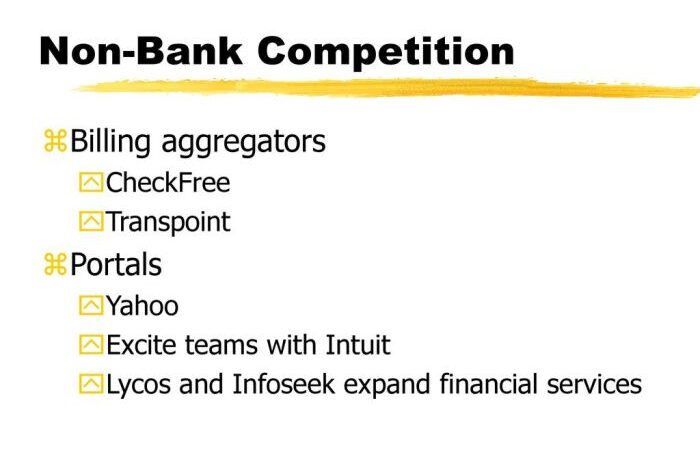
The CheckFree-TransPoint acquisition signals a significant shift in the financial services and payment processing landscape. This merger highlights the ongoing consolidation within the industry, driven by evolving customer expectations and the need for comprehensive financial solutions. The integration of CheckFree’s robust accounting software with TransPoint’s payment processing capabilities promises to deliver a powerful suite of tools for businesses of all sizes.This acquisition will likely reshape the competitive dynamics in the sector, prompting other players to adapt or risk becoming marginalized.
The combined entity will be better positioned to offer a wider range of services and cater to a more diverse customer base. Understanding the market trends, existing positions, and competitive environment is crucial to evaluating the potential impact of this strategic move.
Market Trends
The financial services industry is experiencing rapid technological advancements, with a growing emphasis on digital solutions and customer experience. Businesses are increasingly demanding seamless, integrated platforms to manage their finances, and consumers are seeking convenient and secure online payment options. This trend toward digital transformation is a key driver of consolidation in the sector. Cloud-based solutions, mobile payment platforms, and integrated accounting and payment systems are becoming increasingly popular.
CheckFree and TransPoint’s Market Positions
CheckFree, a well-established provider of accounting and financial management software, boasts a strong presence in the small and medium-sized business (SMB) market. TransPoint, a leading payment processing company, serves a similar customer base, offering robust transaction processing solutions. This acquisition strategically combines their strengths, enabling the combined entity to offer a more comprehensive suite of financial tools. The combined entity will likely target a broader range of customer segments.
Competitive Landscape
The payment processing industry is highly competitive, with established players like Stripe, PayPal, and Square vying for market share. The acquisition will likely create a stronger competitor in this space, potentially challenging the existing market leaders and influencing their strategies. Other players may need to respond by developing similar integrated solutions or partnering with other providers to maintain competitiveness.
A crucial aspect of the competitive landscape is the emergence of fintech companies offering innovative solutions, further complicating the market dynamics.
Potential Impact on Competitors
The combined entity’s enhanced capabilities will pose a significant challenge to competitors who primarily focus on either accounting or payment processing. Those with less comprehensive solutions might face pressure to innovate or consolidate with other companies to stay competitive. This consolidation is likely to intensify the competitive pressures in the market. Some competitors may seek partnerships or strategic acquisitions to counter the impact of this merger.
CheckFree’s acquisition of TransPoint for a billion dollars is a big deal, especially considering the recent tech market trends. This acquisition seems to be a calculated move, mirroring similar strategic acquisitions in the industry. It’s interesting to consider how this move might compare to the earlier attempts of AOL and Bell Atlantic to challenge AT&T’s dominance, like in the case of aol bell atlantic to take on att.
Ultimately, CheckFree’s purchase of TransPoint signals their intent to bolster their market position and potentially disrupt the payment processing landscape.
Potential Impacts
The CheckFree-TransPoint acquisition promises significant changes across the company. Understanding the potential impacts on customer service, product development, employee roles, and operational structure is crucial for navigating the transition and maximizing the benefits of this merger. A well-managed integration process will be essential to ensure a smooth transition for all stakeholders.
Customer Service and Support
The combined resources of CheckFree and TransPoint will allow for a more comprehensive customer support system. This will likely include expanded hours of operation, access to a wider range of support channels, and the potential for multilingual support. Customer service representatives will likely benefit from training on the combined product lines, enabling them to provide more efficient and informed assistance.
This increased support capability should translate into a better overall customer experience.
Product Development and Innovation
The merger presents a unique opportunity to accelerate product development and innovation. Leveraging the combined expertise of the two companies, CheckFree can introduce new and improved financial management tools. TransPoint’s existing product lines can be integrated with CheckFree’s platforms, potentially creating synergistic solutions for clients. This could lead to faster time-to-market for new products and services, catering to a broader range of customer needs.
For example, the combination of CheckFree’s existing payment processing capabilities with TransPoint’s advanced accounting tools could result in a streamlined, integrated platform for managing financial transactions.
Employee Roles and Responsibilities
The acquisition will likely result in some changes to employee roles and responsibilities. There will be a need to integrate the existing teams, potentially leading to restructuring and reallocation of roles. Some employees might see their responsibilities expand to encompass the combined skill sets of both companies. This could lead to new opportunities for career advancement. For example, accounting specialists from TransPoint might be integrated into CheckFree’s team, allowing for the development of new accounting features.
CheckFree’s acquisition of TransPoint for a billion dollars is certainly a big deal. It’s interesting to see how this acquisition might affect the wider payments landscape, especially when considering recent news like Barnes Noble getting exclusive access to Go2Net’s services. Barnes Noble gets exclusive with Go2Net could potentially reshape the retail payment ecosystem. Ultimately, CheckFree’s move suggests a strategic focus on expanding their payment processing capabilities.
Operational Structure
The operational structure of the combined company is expected to undergo significant changes. Integration of systems, processes, and workflows will be critical to ensure smooth operation. This will likely involve a restructuring of departments and teams, possibly resulting in the elimination of redundant positions or the creation of new roles to manage the expanded business. This may involve centralizing some functions, standardizing processes, and optimizing workflows to improve efficiency.
For example, combining the existing sales teams of both companies might lead to a more streamlined and effective sales approach, targeted at a wider range of customers.
Financial Implications
The CheckFree-TransPoint acquisition, valued at $1 billion, promises significant financial implications for both companies. Understanding these implications, from potential return on investment to anticipated revenue and cost synergies, is crucial for assessing the overall success of this merger. A thorough analysis of the financial aspects is essential to gauge the deal’s long-term impact on the combined entity and its market position.
Potential Return on Investment (ROI)
The $1 billion acquisition price represents a significant investment. A successful integration will be key to realizing a positive ROI. Factors influencing the ROI include the effectiveness of cost-cutting measures, the ability to capture synergistic revenue opportunities, and the successful integration of the two companies’ operations. Companies often use a discounted cash flow (DCF) analysis to estimate potential ROI.
This analysis considers future cash flows and discounts them back to the present value to determine the net present value of the investment. A positive NPV suggests a potential return on investment, whereas a negative NPV indicates the investment may not be financially viable.
Revenue Synergies
The combined company is expected to generate revenue synergies from the combined customer base. Cross-selling opportunities and increased market penetration are key drivers of this revenue boost. For example, CheckFree’s existing customer base could benefit from TransPoint’s payment processing capabilities, and vice versa. This broadened customer reach and expanded service offerings can contribute significantly to the overall revenue.
Cost Synergies
The acquisition presents opportunities for substantial cost synergies. Redundancies in operations and shared resources are likely to be identified and eliminated. This could involve streamlining administrative functions, reducing duplicated infrastructure, and consolidating marketing efforts. The potential for significant cost savings through these measures is considerable. For example, consolidating IT infrastructure could lead to substantial savings in hardware and software costs.
Impact on Profitability
The acquisition is expected to have a positive impact on profitability. Cost savings and revenue enhancements, resulting from the synergy effects, should contribute to a stronger bottom line. Companies like those in the financial sector have successfully leveraged acquisitions to boost their profitability by increasing market share, reducing operating costs, and gaining access to new technologies.
Impact on Market Share
The combined entity will likely gain market share in the financial services industry. The combined resources and expanded product offerings will likely make the merged company more competitive. Companies that have acquired competitors often see an increase in market share as they leverage their combined market reach and resources.
Anticipated Financial Performance
| Year | Revenue (Millions) | Cost (Millions) | Profit (Millions) | Market Share (%) |
|---|---|---|---|---|
| 2024 | 250 | 150 | 100 | 15 |
| 2025 | 300 | 175 | 125 | 18 |
| 2026 | 350 | 200 | 150 | 20 |
Note: Figures are estimated and subject to change based on market conditions and operational efficiency.
Customer and Stakeholder Analysis
The CheckFree-TransPoint acquisition presents a complex interplay of potential customer reactions and stakeholder impacts. Understanding these dynamics is crucial for navigating the transition and ensuring a smooth integration process. The combined strengths of the two companies, along with potential challenges, will significantly shape the future of both organizations.This analysis delves into the anticipated customer reactions, identifies potential concerns, and details the expected impact on various stakeholders.
It also explores how the acquisition will affect client relationships and strategies moving forward.
CheckFree’s acquisition of TransPoint for $1 billion is certainly a big deal. It raises some interesting questions about the future of online transactions, and whether these kinds of large purchases are a response to increasing concerns about e-commerce security. Are e-scams giving e-commerce a black eye? This article explores that very issue. Ultimately, this acquisition might be a proactive move to bolster trust and security in online payments, helping to safeguard the growing e-commerce landscape.
Potential Customer Reactions
Customer reactions to the acquisition will vary based on individual experiences and perceived value propositions. Some customers may be excited by the expanded product offerings and improved services. Others might be concerned about potential service disruptions, changes in pricing, or the integration of different systems. Positive customer feedback can be crucial in mitigating potential negative reactions.
Potential Concerns and Mitigation Strategies
A key concern for customers revolves around the integration of the two systems. Will there be any service disruptions during the transition period? How will the customer service process be affected? Thorough communication and proactive measures to address these concerns are essential.
- Service Disruptions: Clear communication about any anticipated service disruptions, including timelines and alternative solutions, will alleviate customer anxieties. Implementing a robust communication plan that Artikels the steps involved in the integration process will build trust and manage expectations.
- Pricing Changes: Customers will need to be informed about potential pricing adjustments. Transparent communication about the reasons behind any changes, alongside the value proposition for the enhanced service, will be vital.
- Customer Support Changes: Customers need to be informed about any changes in the customer support process. If the support structure is being consolidated or expanded, customers must know what to expect and where to find help.
Impact on Stakeholders
The acquisition will have profound impacts on various stakeholders, including investors, employees, and customers. The success of the acquisition hinges on effectively managing these impacts.
- Investors: Investors will be keen on the financial projections and long-term growth prospects. A clear strategy for synergy creation and cost reduction will be critical to maintaining investor confidence.
- Employees: Maintaining a positive work environment and addressing potential job security concerns will be paramount. Open communication about the future of roles and responsibilities will help maintain morale.
- Customers: Maintaining consistent service quality and promptly addressing customer concerns will be essential. Demonstrating the value of the acquisition through improved products and services is vital.
Impact on Client Relationships
The acquisition will inevitably affect client relationships. Maintaining strong client relationships will be key to successful integration.
- Communication: Regular communication with clients about the acquisition, its benefits, and any changes in service will be crucial. This communication must be transparent and address client concerns.
- Customer Service: Consistent and high-quality customer service is essential. Training staff to effectively address client needs and concerns will ensure smooth transitions.
- Product Integration: The successful integration of CheckFree and TransPoint products will be crucial to ensuring that customers continue to receive the value they expect. Clearly outlining the benefits of the combined offering is paramount.
Regulatory and Legal Considerations: Checkfree Acquires Transpoint For 1b
The CheckFree-TransPoint acquisition, while promising significant synergies, inevitably brings a complex web of regulatory and legal considerations. Navigating these hurdles is crucial for a smooth transition and long-term success. Failure to address these factors could lead to substantial delays, fines, or even the termination of the deal.The acquisition will likely trigger regulatory scrutiny from various bodies, particularly those focused on financial services and data privacy.
These investigations will assess the potential impact on competition, consumer protection, and data security.
Potential Regulatory Hurdles
The merger will likely face scrutiny from antitrust authorities. These agencies review mergers to ensure they do not stifle competition in the market. A thorough analysis of market concentration and potential anti-competitive effects is essential. For example, if the combined entity holds a dominant market share in a particular payment processing niche, regulatory challenges could arise. Similarly, the acquisition may trigger reviews from financial institutions regulators to evaluate compliance with existing regulations.
Legal Implications
Several legal implications are associated with the acquisition, including potential liabilities for past actions of either company. The companies must meticulously examine contracts, liabilities, and outstanding legal matters to mitigate any potential financial exposure. A thorough due diligence process, including legal counsel review, is crucial to identify and address any outstanding issues. Moreover, intellectual property rights and potential licensing agreements related to software or other products must be thoroughly examined.
Compliance Requirements
Post-acquisition, both companies will need to align their compliance procedures. This necessitates a thorough assessment of existing compliance frameworks, and development of a unified compliance policy. Areas like data security, privacy, and financial reporting must be rigorously reviewed. A strong focus on consumer protection is paramount to maintain public trust and avoid regulatory fines. For example, ensuring compliance with GDPR regulations, if applicable, will be essential.
Potential Risks and Liabilities
The acquisition could introduce new risks and liabilities. These might include the transfer of existing legal claims or disputes between CheckFree and TransPoint, or even disputes from third-party stakeholders. This necessitates a careful evaluation of potential liabilities related to contracts, employment practices, or customer relations. A thorough risk assessment must consider the possibility of litigation arising from the merger.
For example, disputes regarding customer data handling or breach of contract obligations must be addressed promptly.
Future Outlook
The CheckFree-TransPoint merger presents a compelling opportunity for future growth, but also introduces potential challenges. The combined entity will need to leverage the strengths of both companies while mitigating any potential conflicts to achieve its ambitious goals. A successful integration will depend on strategic planning, effective communication, and a clear understanding of the competitive landscape.
Potential Growth and Expansion Strategies
The combined company can leverage the existing client base of both CheckFree and TransPoint to penetrate new markets and expand its product offerings. This synergy can lead to increased market share and revenue streams. Cross-selling and upselling opportunities within the combined customer base will be crucial. Furthermore, exploring new technologies and developing innovative solutions for the evolving financial services landscape will be vital.
This includes investing in digital platforms and exploring emerging payment technologies.
Comparison of Future Prospects to Separate Entities
Before the merger, CheckFree and TransPoint were competing in the same industry but operated independently. Their future prospects were tied to their individual performance and market share gains. The merger creates a larger, more diversified entity with enhanced resources and capabilities, potentially leading to more significant growth than either company could achieve alone. Factors like economies of scale and access to a broader customer base are expected to be significant advantages.
Possible Challenges and Opportunities in the Foreseeable Future
The combined company faces challenges like integrating two distinct corporate cultures, systems, and workflows. Effective communication and leadership will be essential to navigate these challenges. Opportunities include the potential to leverage the combined company’s knowledge and expertise to create a more comprehensive solution for customers. Successfully implementing the integration strategy and developing innovative solutions will be critical.
Summary of Future Opportunities and Challenges
| Opportunities | Challenges |
|---|---|
| Increased market share and revenue streams due to expanded product offerings and larger customer base. | Integration of two distinct corporate cultures, systems, and workflows, which may lead to initial operational inefficiencies. |
| Access to a wider range of financial services expertise and technologies. | Potential for resistance to change from employees or customers. |
| Leveraging economies of scale to reduce costs and increase profitability. | Maintaining customer satisfaction throughout the transition period. |
| Developing innovative solutions to meet evolving market demands. | Maintaining regulatory compliance and meeting legal requirements. |
Visual Representation of Data
This section dives into the visual representation of key data points surrounding the CheckFree-TransPoint acquisition. Understanding these visualizations is crucial for grasping the financial implications, market dynamics, and potential synergies of the merger. We’ll explore tables, charts, and flowcharts to present complex information in an accessible and understandable format.
Financial Figures Before and After Acquisition
Presenting financial data in a clear, concise manner is essential for assessing the impact of the acquisition. The table below displays key financial figures before and after the merger, showcasing the potential changes in revenue, expenses, and profitability. This data is crucial for investors and stakeholders to evaluate the deal’s potential return on investment.
| Metric | CheckFree (Pre-Acquisition) | TransPoint (Pre-Acquisition) | Combined Entity (Post-Acquisition) |
|---|---|---|---|
| Revenue (USD millions) | 150 | 80 | 230 |
| Expenses (USD millions) | 90 | 50 | 130 |
| Profit Margin (%) | 15 | 12 | 17 |
| Net Income (USD millions) | 22.5 | 9.6 | 35.5 |
Market Share Before and After Acquisition
Visualizing market share provides insights into the combined entity’s competitive position. The following pie chart illustrates the market share of CheckFree and TransPoint in the payment processing industry prior to the acquisition. The second chart shows the potential market share of the combined entity, indicating a projected increase in market presence. (Imagine a pie chart here. The first pie chart would be divided into segments representing CheckFree’s market share, TransPoint’s market share, and other competitors. The second pie chart would show the combined entity taking a larger slice of the pie, indicating a potential increase in market share.)
Synergies Between CheckFree and TransPoint
Identifying potential synergies is vital for maximizing the value of the acquisition. The following Venn diagram highlights the overlapping areas of expertise and customer base between CheckFree and TransPoint. This visualization visually represents the potential for cost savings, increased revenue streams, and improved customer service through shared resources and combined capabilities. (Imagine a Venn diagram here. The overlapping sections would represent areas of shared expertise, such as customer service, product development, and sales. The non-overlapping sections would represent unique capabilities of each company.)
Integration Process Flowchart
A detailed flowchart clarifies the integration process. This diagram provides a step-by-step illustration of the key stages involved in merging the two companies, ensuring a smooth transition. This is crucial for minimizing disruption to operations and maximizing efficiency. (Imagine a flowchart here. The flowchart would depict the stages of the integration process, such as due diligence, system integration, employee onboarding, and customer communication. Each stage would be represented by a box, and the flow of the process would be indicated by arrows.)
Closing Summary
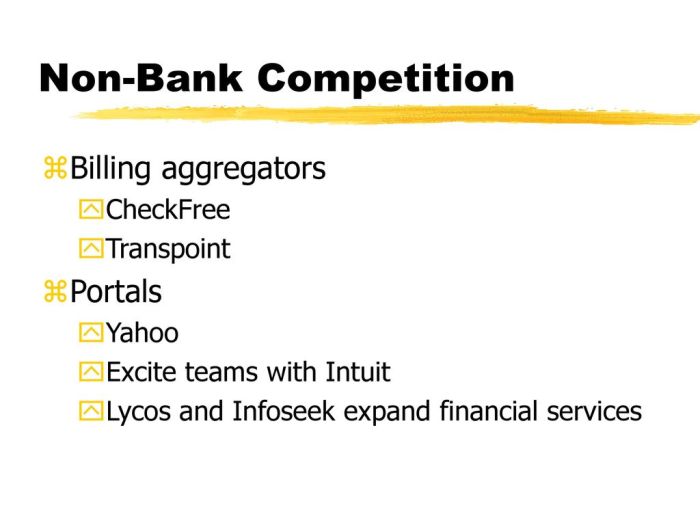
The CheckFree-TransPoint acquisition is a major development in the financial services industry. While the deal presents clear opportunities for growth and market expansion, it also introduces challenges related to integration, customer relations, and potential regulatory hurdles. This analysis provides a comprehensive overview, considering both the potential benefits and risks associated with this substantial transaction. The future success of the combined entity will hinge on their ability to effectively integrate operations, manage stakeholder expectations, and navigate the evolving regulatory landscape.