
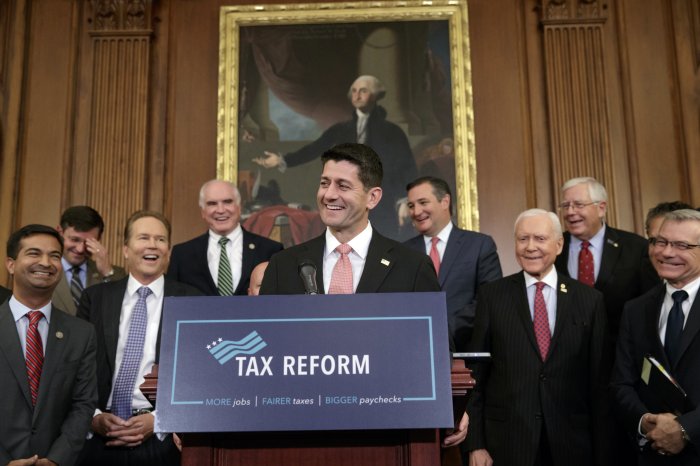
Campaign rhetoric clouds internet tax issue, creating a confusing landscape for the public. Different sides are using persuasive language and emotional appeals to shape public opinion, often obscuring the complex economic realities of taxing the internet. This exploration dives deep into the arguments, strategies, and impact of this debate, examining how political actors are framing the issue and influencing public perception.
The analysis will cover various aspects, from defining the different types of rhetoric used to support or oppose the tax, to examining the online discourse and the language employed in campaign messaging. It will also compare different campaign approaches, illustrate the impact on public opinion, and present a visual representation of campaign arguments and the evolving public discourse. The ultimate goal is to provide a clear understanding of how political rhetoric is shaping public perception of this crucial issue.
Defining the Campaign Rhetoric
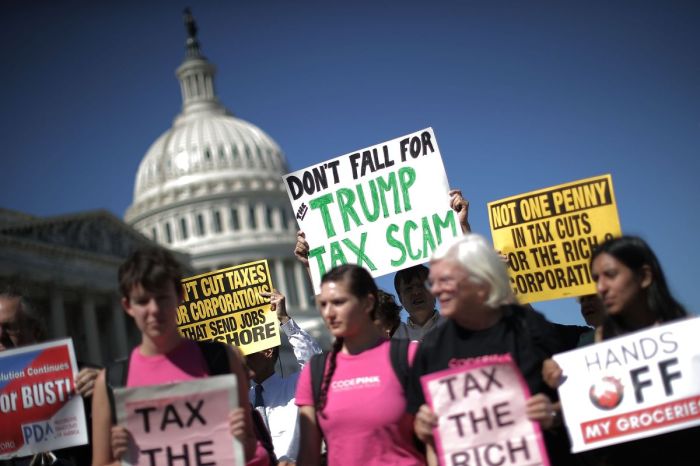
The political debate surrounding internet taxation has been marked by intense rhetoric, often characterized by broad generalizations and emotionally charged language. Understanding this rhetoric is crucial to dissecting the arguments and appreciating the underlying motivations behind the proposals and opposition. Different groups have framed the issue in various ways, sometimes exaggerating potential impacts or downplaying concerns.This rhetoric has shaped public perception and influenced policy decisions.
Analyzing the arguments employed, the key figures involved, and the historical context of the debate allows for a more nuanced understanding of this complex issue.
Arguments For and Against Internet Taxation
The arguments for and against internet taxation are multifaceted and often intertwined with broader economic and philosophical principles. Proponents typically emphasize the need for government revenue generation, especially in the context of the evolving digital economy. They argue that taxing internet activity would level the playing field for traditional businesses and help fund vital public services.
- Proponents often cite the potential for substantial revenue generation from internet activity, as well as the need for new revenue streams in a changing economic landscape. They argue that internet usage, like other forms of commerce, should be subject to taxation to ensure fair allocation of resources and maintain a balanced economy.
- Opponents typically raise concerns about the practical difficulties of implementing such taxes, the potential for stifling innovation, and the impact on consumers. They often point to the complexity of regulating internet activity across borders and the potential for higher prices and reduced accessibility for consumers.
Key Figures and Groups Involved
Various stakeholders have played a significant role in shaping public discourse on internet taxation. These include policymakers, industry representatives, consumer advocacy groups, and academic experts. Their perspectives and interests often influence the narrative surrounding the issue.
- Policymakers at both the national and international levels have been central to the debate, often grappling with the challenge of balancing revenue needs with the potential negative impacts on economic activity.
- Industry representatives, such as tech companies and internet service providers, have often voiced concerns about the potential for internet taxes to hinder innovation and growth. Their arguments often emphasize the global nature of the internet and the potential for regulatory hurdles.
- Consumer advocacy groups frequently raise concerns about the impact of internet taxes on consumers, emphasizing affordability and accessibility.
- Academic experts provide insights into the economic and social implications of internet taxation, offering perspectives on potential revenue generation, market impact, and policy design.
Historical Context of the Debate
The debate over internet taxation is rooted in the broader evolution of taxation policies and the changing nature of the global economy. The emergence of the internet and digital commerce has presented policymakers with new challenges and opportunities. Early discussions often centered around whether and how to apply existing tax laws to online transactions.
- The early internet era saw discussions around whether existing tax laws could be applied to online commerce, or if new approaches were needed.
- The ongoing debate often involves discussions about the appropriate level of government intervention in the digital economy.
- International cooperation and harmonization of tax policies are often discussed in relation to the global nature of internet activity.
Analyzing the Online Discourse
The internet has become a battleground for ideas, and the debate over internet taxes is no exception. Online platforms provide a unique space for citizens to express their opinions, organize campaigns, and engage in robust discussions about this complex issue. Understanding how online discourse shapes public opinion is crucial for policymakers and anyone interested in this topic. The sheer volume and diversity of voices online require a structured approach to analysis.Online platforms are crucial arenas for promoting and opposing internet tax policies.
Advocates for and against the tax utilize social media to spread their messages, mobilize supporters, and engage in public debates. This involves targeted advertising, the creation of engaging content, and active participation in online forums and discussions.
Examples of Online Platform Usage, Campaign rhetoric clouds internet tax issue
Online platforms are utilized for diverse activities related to internet tax policies. Proponents might create informative videos explaining the potential benefits of a tax, showcasing how revenue could fund crucial infrastructure improvements. Opponents, conversely, might post articles or share memes highlighting the potential negative economic impacts, like job losses or reduced internet access. These diverse approaches reflect the dynamic and multifaceted nature of online engagement.
Campaign rhetoric is definitely muddying the waters around internet taxes. It’s distracting from the real opportunities available online, like the incredible potential of its not too late to join the e frontier. Focusing on the future of digital commerce, instead of the political debate, is key to understanding how to navigate the challenges of this new frontier.
This whole debate just obscures the fact that the internet tax issue is complex and needs a clear-headed approach.
Social Media Trends and Public Opinion
Social media trends significantly influence public opinion on internet tax policies. Viral campaigns, hashtags, and trending topics can rapidly shift public perception. For instance, a highly publicized campaign using a specific hashtag to rally support or opposition can create a strong current of public opinion. The ability to rapidly disseminate information and create a sense of collective action is a powerful tool used in online activism.
Influence of Online Influencers and Commentators
Online influencers and commentators play a crucial role in shaping the narrative surrounding internet tax policies. Their large followings and established credibility often sway public opinion. A prominent tech influencer might post a video explaining the potential impact on internet access for smaller businesses, significantly impacting how their followers perceive the issue. This influence is not always positive, as negative commentary can also have an effect.
For example, controversial statements by online commentators can spread quickly, generating further debate and opposition.
Categorizing Online Arguments
A framework for categorizing online arguments for and against internet taxes is essential for understanding the discourse. This framework could be structured based on the following categories:
- Economic Impacts: Arguments focusing on job creation, economic growth, and the impact on small businesses. These arguments typically highlight the potential negative consequences of an internet tax on specific sectors of the economy.
- Infrastructure Development: Arguments emphasizing the potential use of tax revenue for expanding internet access or improving infrastructure. These arguments often link the tax to broader goals of improving connectivity.
- Fairness and Equity: Arguments concerning the fairness of taxing internet services compared to other forms of communication. These arguments often center on whether the tax is a fair and equitable approach to revenue generation.
- Technological Advancement: Arguments about the potential impact of the tax on innovation and technological advancement in the internet sector. These arguments might suggest that an internet tax could stifle innovation and lead to a decline in the sector’s growth.
Examining the Language Used
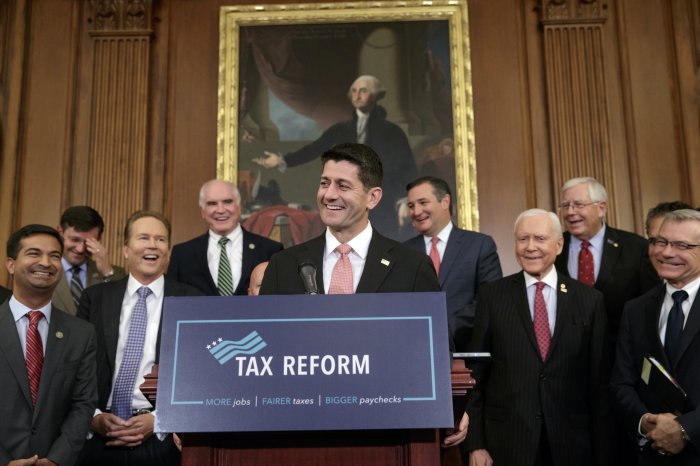
Campaign rhetoric surrounding internet taxation often employs a variety of persuasive techniques to shape public opinion. Understanding the language used, including emotional appeals, logical fallacies, and framing strategies, is crucial to critically evaluating the arguments presented. This analysis will delve into how specific language choices influence public perception of this complex issue.The use of emotionally charged language can significantly impact how the public perceives internet taxation.
By tapping into existing anxieties or hopes, campaigns can effectively sway public sentiment. This is often coupled with strategically crafted narratives that present the issue in a way that resonates with specific values and beliefs. Careful consideration of these rhetorical tools is vital to discerning the underlying motivations behind the arguments.
Emotional Appeals in Campaign Rhetoric
Campaign rhetoric often relies on emotional appeals to resonate with the public. These appeals can be powerful tools for persuasion, but they can also be manipulative if not used ethically. Fear-mongering, for instance, can be employed to create a sense of urgency and panic around the potential consequences of internet taxation. Conversely, appeals to patriotism or the common good can be used to foster a sense of unity and shared responsibility.
Analyzing these emotional appeals reveals the underlying motivations and values that drive the arguments.
Logical Fallacies and Misrepresentations
Campaigns frequently employ logical fallacies to bolster their arguments. These flaws in reasoning can lead to faulty conclusions and misrepresentations of the facts. Straw man arguments, where opponents’ positions are mischaracterized or exaggerated, are common in political discourse. Likewise, appeals to authority, where the opinion of a specific individual or group is presented as irrefutable evidence, are used to lend credibility to positions.
Understanding these fallacies is critical for discerning the validity of the claims made.
Framing Techniques and Public Perception
Framing techniques play a pivotal role in shaping public perception of internet taxation. Framing refers to the way an issue is presented or defined, influencing how the public understands and responds to it. For example, internet taxation could be framed as a necessary measure to fund vital infrastructure improvements or as a burden on consumers and businesses. These contrasting frames directly impact public opinion and the perceived fairness or necessity of the proposed tax.
Different frames highlight different aspects of the issue, potentially influencing the outcome of public debate and support.
Examples of Language Used to Frame the Issue
Different campaigns frame internet taxation in diverse ways. Some might portray it as a vital tool to improve digital infrastructure, arguing for its importance to economic growth and global competitiveness. Conversely, opponents might frame it as a regressive tax that disproportionately burdens individuals and small businesses, thereby highlighting its potential negative impact on economic prosperity.
Impact of Framing Techniques on Public Perception
The framing of internet taxation significantly impacts public perception. A positive frame, emphasizing infrastructure development and economic benefits, can foster support for the tax. In contrast, a negative frame, highlighting burdens and economic consequences, can engender opposition. These contrasting frames can effectively shape the public debate, influencing how individuals understand and respond to the proposed taxation.
Campaign rhetoric around internet taxes is definitely muddying the waters, making it hard to see a clear path forward. Meanwhile, big financial moves like etrade taking a stake in the pan-European stock market ( etrade takes stake in pan european stock market ) are happening, which might subtly influence the debate. Ultimately, these complex financial maneuvers and political debates around internet taxation are all interconnected and make the whole situation quite complicated.
Comparing Different Campaign Approaches
The internet tax debate has seen a flurry of diverse campaign strategies employed by various political actors. Understanding these approaches, their strengths, weaknesses, and impact on public perception is crucial for analyzing the effectiveness of different communication styles in influencing public opinion. The contrasting strategies reveal much about the underlying political philosophies and priorities of those advocating for or against the tax.Different political groups employed various approaches to shape public opinion on internet taxation.
Some groups focused on economic arguments, others on technological feasibility, while still others highlighted the ethical implications of such a tax. The success of each approach depended heavily on the target audience and the prevailing political climate.
Strategies Supporting Internet Taxation
These groups often presented arguments emphasizing the need for government revenue generation and the potential benefits of internet tax revenue for public services. They often highlighted the historical precedent of taxing other forms of communication. These campaigns often presented data on the economic growth and technological advancement experienced by countries with comparable taxation systems. Proponents of the tax frequently argued for the principle of fair taxation, implying that internet users should contribute to the maintenance of public infrastructure and services.
- Economic Arguments: Supporters often presented economic models demonstrating how internet taxation could generate revenue for essential public services, such as education, infrastructure, and healthcare. For instance, a campaign could highlight how a small tax per gigabyte downloaded could potentially fund a significant portion of a city’s public transportation improvements. However, the economic feasibility of such a tax is often disputed by opponents, who argue that the tax burden might disproportionately affect low-income users or stifle economic activity.
- Fairness Arguments: A common strategy employed by proponents was emphasizing the principle of fairness. They argued that internet users should contribute to the costs of maintaining and improving the internet infrastructure, similar to the way other forms of communication are taxed. The fairness argument often resonated with audiences who felt the internet services should not be free to use, especially since they benefit from the government’s infrastructure.
Strategies Opposing Internet Taxation
Groups opposed to internet taxation often focused on arguments about economic consequences and the potential for stifling innovation. Their strategies often emphasized the unique nature of the internet and its importance to economic growth. These campaigns frequently aimed to paint the tax as a barrier to innovation and a detriment to the digital economy.
Campaign rhetoric is definitely muddying the waters around internet taxes, right? Meanwhile, eBay is taking a big leap forward by launching industry-first online auction shipping services, including partnerships with mail boxes and companies like eBay plans industry’s first online auction shipping services with mail boxes etc and iShip.com. This initiative might actually shift the focus away from the tax debate, at least temporarily, as people get excited about the new shipping options.
Ultimately, though, the campaign rhetoric continues to cast a shadow over the whole issue.
- Economic Disincentives: Opponents often argued that internet taxation could discourage economic activity, potentially leading to job losses and reduced investment in the sector. They emphasized the importance of the internet economy and the potential negative impact of a tax on its growth. They frequently presented examples from other countries where similar taxation attempts were met with negative consequences.
- Technological Impact: Opponents highlighted the unique characteristics of the internet and its global nature, arguing that a tax would be difficult to implement and administer effectively. They frequently presented arguments on the complexity of taxing cross-border transactions and the potential for unintended consequences.
Impact on Public Perception
The different campaign strategies had varying degrees of success in shaping public perception. Those focusing on the economic benefits of the tax often resonated with audiences concerned about public services and infrastructure. Conversely, campaigns emphasizing the potential economic harm of the tax tended to appeal to those who valued economic freedom and the growth of the digital economy.
Ultimately, the impact of each strategy was influenced by the specific arguments presented, the target audience, and the broader political context of the time.
Illustrating the Impact on Public Opinion: Campaign Rhetoric Clouds Internet Tax Issue
Campaign rhetoric surrounding internet taxes has a demonstrably powerful effect on public opinion. The framing of the issue, the emotional language employed, and the chosen communication channels all play a significant role in shaping public perception and influencing support or opposition. This influence extends beyond simple agreement or disagreement, impacting the very way individuals understand and engage with the debate.Different communication styles significantly impact public engagement.
A campaign emphasizing the economic benefits of internet tax revenue, presented with a tone of civic responsibility, might appeal to a different segment of the public than one focused on individual freedom and economic liberty. A campaign utilizing emotional appeals, such as emphasizing the importance of protecting children online, might elicit strong reactions and passionate support.
Examples of Rhetoric Influencing Public Support
Campaign rhetoric frequently employs specific language to evoke certain responses. For example, framing internet taxes as a necessary investment in infrastructure or a means to fund essential services like education can cultivate public support. Conversely, framing the tax as an unwarranted burden on businesses and consumers can foster opposition. The use of terms like “essential” or “unwarranted” carries a strong emotional weight and contributes to the public’s perception of the tax.
Impact of Communication Styles on Public Engagement
The communication style employed by campaigns directly influences public engagement. A campaign utilizing clear, concise, and factual arguments tends to attract a more reasoned and analytical audience. However, campaigns using emotional appeals, like testimonials or personal anecdotes, might connect with a broader spectrum of voters. The style used can significantly impact the level of public discussion and participation in the debate.
This engagement can vary from thoughtful deliberation to emotional outbursts, each impacting the eventual policy outcome.
Role of Public Perception in Shaping Policy Outcomes
Public perception plays a critical role in the outcome of policy decisions. When a significant portion of the public views internet taxes as a necessary evil, policymakers are more likely to consider the issue favorably. Conversely, strong opposition from the public can lead to the abandonment or modification of proposed taxes. Public perception is influenced not just by campaign rhetoric but also by media coverage, expert opinions, and personal experiences.
The strength of this influence can be seen in the varying outcomes of similar policies in different jurisdictions.
Key Arguments and Counter-Arguments Regarding Internet Taxation
| Argument | Counter-Argument | Emotional Impact |
|---|---|---|
| Internet taxes are essential to fund crucial infrastructure development. | Internet taxes disproportionately burden businesses and consumers, hindering economic growth. | Sense of civic duty/national interest vs. economic hardship/individual liberty. |
| Internet taxes will improve public services and educational opportunities. | The revenue generated by internet taxes may not translate into tangible improvements in public services. | Hope/optimism vs. skepticism/distrust. |
| Internet taxes are a necessary step towards a more equitable digital economy. | Internet taxes may exacerbate existing digital divides and harm smaller businesses. | Social justice/fairness vs. economic disadvantage/exclusion. |
| Internet taxes will increase government revenue for essential services. | There are alternative revenue sources that are less disruptive to the digital economy. | Security/stability vs. innovation/change. |
Visual Representation of Campaign Arguments
Campaign rhetoric surrounding internet taxation often relies heavily on visual representations to convey complex arguments and emotions. These visuals, ranging from simple cartoons to intricate graphs, play a crucial role in shaping public perception and influencing voting behavior. Understanding how these visuals are employed is essential for critically evaluating the effectiveness of different campaign strategies. The visual elements must be analyzed in the context of the broader campaign discourse, considering the supporting evidence, target audience, and intended emotional impact.
Campaign Arguments Table
Visual representations of campaign arguments for and against internet taxation can be effectively summarized in a table. This table categorizes arguments, their supporting evidence, intended audience, and the intended emotional impact of each.
| Argument | Supporting Evidence | Intended Audience | Emotional Impact |
|---|---|---|---|
| For Internet Taxation: Increased government revenue can fund crucial infrastructure projects. | Studies showing correlation between internet tax revenue and infrastructure development. Examples of successful infrastructure projects funded by similar taxes in other countries. | Taxpayers, citizens concerned about infrastructure improvements, those who believe in government responsibility. | Sense of collective benefit, patriotism, and the feeling of progress. Potential for fear-mongering about infrastructure decline. |
| Against Internet Taxation: Such taxes stifle economic growth and innovation. | Economic models and case studies showing that similar taxes in other countries have negatively impacted economic activity. Data on the high costs of implementing and collecting these taxes. | Businesses, entrepreneurs, those concerned about economic freedom, potential internet users. | Fear of economic hardship, loss of opportunity, and feelings of restriction. Emphasis on individual liberty and freedom of choice. |
| For Internet Taxation: Internet access is a public good requiring funding. | Arguments that internet access, similar to other utilities, requires public funding and support to ensure accessibility and affordability. Examples of government-funded programs to promote internet access in underserved areas. | Individuals and communities without access, those advocating for universal access. | Compassion for marginalized groups, a sense of social responsibility, and the importance of equitable access. Potential for feelings of resentment if the tax burden is not perceived as fair. |
| Against Internet Taxation: The internet is a global network and should be free from government interference. | Arguments about the global nature of the internet and the potential for unequal taxation across jurisdictions. Concerns about the impact of internet taxation on international trade. | International internet users, those advocating for global digital freedom. | Concerns about freedom, global interconnectedness, and the risk of international disputes. |
Online Content Types
Understanding the types of online content used in campaigns is critical to evaluating their impact. Different platforms and content formats have varying effectiveness in reaching and engaging specific audiences.
- News Articles: Detailed articles discussing the potential economic impacts of internet taxation. These articles frequently present data and analysis from experts to support their claims. Target audience: Informed citizens, policymakers, and those seeking detailed information.
- Social Media Posts: Short, engaging posts designed to spread awareness quickly. These posts often utilize catchy slogans, infographics, and emotionally charged language. Target audience: General public, potential voters, and those who are active on social media platforms.
- Videos: videos with compelling visuals to illustrate the impact of taxation. The use of simplified explanations, interviews, and animations can make complex issues more accessible. Target audience: Wide range of internet users, including those who prefer visual learning styles.
- Infographics: Visual representations of data and statistics to summarize arguments about internet taxation. They are effective in conveying complex information concisely. Target audience: Those who prefer visual representations of data, and individuals looking for quick summaries.
Illustration Examples
Campaign rhetoric can use diverse visual elements to represent the internet tax issue.
- Cartoon Character Representing the Internet: A cartoon character, perhaps a globe with a web design, can represent the internet, making it relatable to a wider audience. The character could be portrayed as either vibrant and dynamic (for those supporting the internet’s freedom) or fragile and vulnerable (for those concerned about the tax’s impact). The visual details of the character’s expression, posture, and surroundings can convey specific emotions and arguments.
- Graph Illustrating Economic Impact: A line graph illustrating the potential economic growth or decline based on the presence or absence of the internet tax can effectively visualize the economic arguments. Clear labels, data points, and a compelling color scheme can help convey the message. Key details to focus on include the y-axis (economic measure) and the x-axis (time period or variable).
Evolving Public Discourse
Visualizing the evolving public discourse on internet taxation requires tracking the frequency and type of visuals used over time. This can be done using a timeline or a network diagram showing how different visual representations interact and influence each other.
Last Point
In conclusion, the campaign rhetoric surrounding internet taxation is a complex interplay of arguments, counter-arguments, and persuasive strategies. This analysis reveals how the use of language, framing, and emotional appeals significantly influences public perception. The impact on public opinion, and the resulting potential policy outcomes, are substantial and deserve further consideration. Understanding these dynamics is critical to fostering a more informed and balanced public discourse.