Bea and nokia to develop wireless e commerce server – BEA and Nokia to develop wireless e-commerce server promises a revolutionary approach to online shopping, connecting consumers with businesses in unprecedented ways. This partnership anticipates a significant shift in the e-commerce landscape, leveraging the power of wireless technology to enhance customer experiences and drive business growth. The collaboration aims to create a robust and secure platform for transactions, with potential applications across various industries.
The project will focus on key aspects like technical specifications, security measures, and market analysis. BEA’s expertise in enterprise application integration and Nokia’s strengths in wireless communications will be crucial in delivering a seamless and efficient wireless e-commerce experience. This partnership is expected to transform the way we shop, offering a more convenient and accessible platform for both businesses and consumers.
Overview of the Partnership
The collaboration between BEA Systems and Nokia to develop a wireless e-commerce server represents a significant step towards integrating online shopping experiences with mobile technology. This partnership signifies a recognition of the growing importance of mobile commerce and the potential for a seamless user experience. The combined expertise of both companies promises innovative solutions to address the evolving needs of consumers and businesses in the digital age.The announced goal of this wireless e-commerce server is to create a platform that facilitates secure and efficient transactions directly through mobile devices.
This encompasses not only the development of the server itself but also the design of user interfaces and protocols that enhance the user experience. The objectives are ambitious, aiming to revolutionize how people shop and businesses conduct commerce in a mobile-first world.
Potential Benefits for BEA Systems
BEA Systems, renowned for its enterprise software solutions, stands to gain substantial market share in the mobile commerce sector. This venture allows them to leverage their existing expertise in application servers and middleware to develop robust and scalable solutions for wireless transactions. The project presents an opportunity to expand their customer base, attracting businesses seeking seamless mobile integration into their existing e-commerce systems.
Bea and Nokia are teaming up to build a wireless e-commerce server, which is a significant step forward for global businesses looking to expand. However, navigating the complexities of international markets presents challenges like varying regulations and consumer preferences. Overcoming these roadblocks to revenue, as detailed in this insightful article on going global roadblocks to revenues , is crucial for the success of any such initiative.
Ultimately, Bea and Nokia’s innovative wireless server aims to streamline global e-commerce transactions, effectively bypassing these hurdles.
By partnering with a mobile leader like Nokia, BEA can capitalize on the growing mobile commerce market and develop a product that addresses the specific needs of mobile users.
Potential Benefits for Nokia
Nokia, a leader in mobile technology, benefits by enhancing its mobile platform’s capabilities. The new server will contribute to a more comprehensive mobile commerce ecosystem, allowing Nokia to strengthen its position as a key player in this emerging market. This partnership will help Nokia expand its range of offerings beyond basic mobile devices, showcasing its commitment to enabling advanced mobile functionalities.
The integrated e-commerce server directly supports Nokia’s strategy to position itself as a platform for various digital services.
Announced Goals and Objectives
The core goal is to streamline and enhance the wireless e-commerce experience. The development of a robust and secure server will allow for faster processing times and improved security protocols for mobile transactions. Objectives include the creation of user-friendly interfaces, seamless integration with existing e-commerce systems, and the provision of reliable and scalable infrastructure to support a surge in mobile transactions.
The development of a highly secure server is a critical aspect, ensuring customer trust and data protection in the context of mobile transactions.
Market Impact
The anticipated market impact of this new development is substantial. The creation of a dedicated wireless e-commerce server will significantly increase the number of mobile transactions, boosting the growth of mobile commerce. This is expected to have a positive ripple effect on related industries such as telecommunications, finance, and retail. The server’s potential to integrate seamlessly with existing e-commerce systems is expected to encourage wider adoption, leading to a rapid expansion of the mobile commerce market.
Historical Context of BEA and Nokia
BEA Systems, known for its enterprise application servers, has a strong history in providing robust and scalable software solutions. Nokia, a leading mobile technology company, has a long track record of innovation in mobile devices and networks. This partnership draws on the complementary strengths of both companies, merging their expertise to create a new generation of wireless e-commerce solutions.
The partnership is a significant example of companies leveraging their existing strengths to address the changing needs of the market.
Technical Aspects of the Wireless E-commerce Server
Bea and Nokia’s wireless e-commerce server promises a revolutionary approach to online shopping, leveraging cutting-edge technology to enhance user experience and streamline transactions. This new platform aims to redefine the limits of mobile commerce, offering a seamless and secure shopping experience for customers regardless of their location.This section delves into the anticipated technical specifications, outlining the key technologies, security measures, and potential challenges associated with developing such a system.
We’ll compare and contrast this innovative solution with existing e-commerce platforms, highlighting the unique features that set it apart.
Anticipated Technical Specifications
The server will be designed with scalability in mind, capable of handling a large volume of concurrent transactions, essential for a robust e-commerce platform. This includes a highly available architecture, ensuring minimal downtime and maintaining high performance during peak hours. The system will leverage cloud-based infrastructure for flexibility and cost-effectiveness, allowing for dynamic resource allocation based on demand.
Furthermore, the system will incorporate advanced load balancing techniques to ensure even distribution of traffic across multiple servers, preventing bottlenecks.
Bea and Nokia’s new wireless e-commerce server promises a significant boost to online shopping. This innovative development could lead to more giving opportunities for online shoppers, like those explored in this insightful article: more giving opportunities for online shoppers. Ultimately, this technology will hopefully create a more convenient and rewarding experience for everyone involved in the online marketplace, enhancing the server’s potential for success.
Technologies to be Employed
The server will employ a combination of robust technologies to guarantee secure and efficient transactions. Key protocols include HTTPS for secure communication, ensuring encrypted data transmission between the client and the server. Furthermore, the server will utilize RESTful APIs for interoperability with various mobile applications and devices. This enables seamless integration with different platforms and devices, creating a consistent user experience across the entire ecosystem.
Security Measures
Security is paramount in any e-commerce environment. The server will incorporate multi-factor authentication (MFA) to verify user identities, enhancing security protocols and reducing the risk of unauthorized access. Advanced encryption algorithms will be employed to protect sensitive customer data, adhering to industry best practices and regulatory compliance. Data encryption will be applied across all stages of the transaction, from order placement to payment processing.
The system will also incorporate regular security audits and vulnerability assessments to identify and mitigate potential threats.
Comparison with Existing E-commerce Solutions, Bea and nokia to develop wireless e commerce server
Existing e-commerce solutions often rely on centralized server architectures, making them susceptible to bottlenecks and single points of failure. The proposed wireless server, by contrast, leverages a distributed network architecture for enhanced scalability and resilience. Furthermore, its use of cloud-based infrastructure offers greater flexibility and cost-effectiveness compared to traditional on-premise solutions. The focus on mobile-first design distinguishes it from legacy platforms, offering a truly responsive and user-friendly experience on various mobile devices.
Potential Challenges in Integration
One significant challenge is ensuring seamless integration with various mobile operating systems and devices. Interoperability between different platforms and devices needs to be rigorously tested to guarantee a consistent experience. Furthermore, maintaining high security standards while accommodating diverse device capabilities is critical. Managing the dynamic scaling demands of the system, particularly during peak traffic periods, requires careful planning and implementation.
Key Technical Features
| Feature | Description |
|---|---|
| Scalability | Designed for handling a large volume of concurrent transactions |
| Security | Multi-factor authentication, advanced encryption algorithms, regular security audits |
| Architecture | Distributed network architecture, leveraging cloud-based infrastructure |
| Protocols | HTTPS, RESTful APIs |
| Interoperability | Support for various mobile operating systems and devices |
Market Analysis and Predictions
The wireless e-commerce market is rapidly evolving, driven by increasing mobile device adoption and the rising demand for convenient and accessible online shopping experiences. This new market presents exciting opportunities for BEA and Nokia, but also significant challenges in the form of competition and technological advancements. Understanding the current landscape, potential growth areas, and competitive dynamics is crucial for successful market penetration.The key to success in this sector lies in developing a robust and secure wireless e-commerce platform that seamlessly integrates with existing infrastructure.
This necessitates a deep understanding of customer needs, technological advancements, and competitive pressures.
Current State of the Wireless E-commerce Market
The current wireless e-commerce market is characterized by a diverse range of platforms and services. From dedicated mobile shopping apps to integrated functionalities within social media platforms, the options available to consumers are constantly expanding. This fragmentation, while offering a wide selection, also presents challenges in terms of standardization and interoperability. Moreover, security remains a paramount concern for consumers engaging in transactions via their mobile devices.
Successfully addressing security concerns will be vital for the market’s growth and trust.
Potential Growth Opportunities
Several factors contribute to the anticipated growth of wireless e-commerce. The increasing prevalence of smartphones and high-speed mobile networks enables faster and more convenient online transactions. The expansion of 5G networks further accelerates this trend, allowing for seamless streaming of videos and images, crucial for online shopping experiences. Emerging markets with burgeoning middle classes are also significant drivers, presenting substantial untapped potential.
The introduction of new, innovative payment methods, such as mobile wallets, further enhances the user experience and drives adoption.
Competitive Landscape
The wireless e-commerce market is highly competitive. Existing players, including established e-commerce giants with mobile extensions, and specialized mobile payment platforms, pose significant challenges. Furthermore, innovative startups are constantly emerging, introducing novel solutions and challenging established players. The key to success will involve not only superior technology but also strategic partnerships and effective marketing campaigns.
BEA and Nokia’s Competitors
| Competitor | Strengths | Weaknesses |
|---|---|---|
| Amazon | Extensive product catalog, established brand recognition, robust logistics network | Potential for slower mobile platform adaptation, less focused on pure wireless e-commerce |
| Shopify | Scalable e-commerce platform, strong developer community, adaptable for mobile | Lacks the deep mobile integration and specialized security features offered by BEA and Nokia |
| Stripe | Robust payment gateway, broad mobile integration experience | Lacks comprehensive e-commerce solutions, may lack the broader ecosystem |
| Apple Pay | Integrated payment system, high security standards | Limited to Apple ecosystem, less open for third-party integrations |
Market Share Predictions
Predicting the exact market share of BEA and Nokia’s wireless e-commerce server is challenging. However, based on the anticipated performance of the server and the projected growth of the market, BEA and Nokia are well-positioned to capture a significant portion of the market, especially in emerging regions and with specific use cases like specialized vertical markets. A potential scenario might see BEA and Nokia holding 15-20% of the market share within the first three years of launch.
This would be contingent on successful market penetration strategies, effective customer acquisition, and strategic partnerships.
Potential Use Cases and Applications: Bea And Nokia To Develop Wireless E Commerce Server
Bea and Nokia’s wireless e-commerce server opens up a world of possibilities for businesses looking to expand their online presence and engage with customers in innovative ways. This server transcends traditional limitations of physical location and payment infrastructure, fostering seamless transactions and a more dynamic customer experience.
Diverse Applications for Businesses
The wireless e-commerce server offers a flexible platform suitable for various business models. From streamlining retail operations to enhancing financial services, this technology adapts to diverse needs and can be tailored to specific industry requirements.
Retail Applications
This server empowers retail businesses to offer a truly mobile shopping experience. Imagine customers browsing products, placing orders, and making payments directly from their smartphones or tablets, regardless of their physical location. This significantly expands the reach of the store, enabling customers to shop conveniently anytime, anywhere. This flexibility is particularly beneficial for smaller businesses and brick-and-mortar retailers seeking to compete with larger online retailers.
Financial Services Applications
The server also offers substantial potential for financial services institutions. Remote transactions and secure mobile payments can be seamlessly integrated, providing customers with a convenient and efficient way to manage their finances. For example, customers could receive and send money, check balances, and make payments instantly using their mobile devices. This technology fosters greater financial inclusion, particularly in underserved communities lacking traditional banking infrastructure.
Improving Customer Experience
The server’s impact on customer experience is profound. By enabling mobile ordering, instant payments, and real-time tracking, customers benefit from a more streamlined and efficient shopping process. The ease of access and personalized interaction fostered by the wireless platform will lead to greater customer satisfaction and loyalty.
Table of Use Cases
| Use Case | Description | Benefits |
|---|---|---|
| Retail | Mobile shopping, in-store ordering, real-time inventory updates | Expanded reach, enhanced customer convenience, improved operational efficiency |
| Financial Services | Mobile payments, remote transactions, secure account management | Increased accessibility, greater financial inclusion, improved customer experience |
| Travel and Hospitality | Booking accommodations, purchasing tours, accessing services directly through mobile devices | Enhanced convenience, personalized services, improved efficiency |
| Delivery Services | Real-time tracking, mobile order management, secure payment integration | Improved logistics, enhanced customer visibility, reduced operational costs |
Example: Enhanced Customer Experience
Imagine a customer browsing a clothing store’s online catalog. Using the wireless server, they can easily view product details, see real-time stock availability, and instantly order their desired items. This eliminates the need for multiple steps and cumbersome processes, offering a seamless and engaging shopping experience. They can even use the server to track the delivery of their purchase, further enhancing the customer journey.
Security and Scalability Considerations
Building a secure and scalable wireless e-commerce server is paramount for Bea and Nokia’s partnership. This section delves into the critical security protocols, transaction handling strategies, and architectural considerations to ensure a robust and reliable platform. We will examine how to mitigate potential threats and maintain high performance even under massive transaction loads.This wireless e-commerce platform will need to handle a multitude of transactions from various devices, including smartphones, tablets, and wearables.
The architecture must be designed to accommodate peak demand periods and handle potential surges in user activity, without compromising security or performance.
Security Protocols
The server will implement a layered security approach encompassing encryption, authentication, and authorization. Robust encryption protocols, such as Transport Layer Security (TLS) 1.3, will be employed to secure data transmission between clients and the server. This ensures that sensitive customer information, such as credit card details and personal data, remains confidential during transit. Strong authentication mechanisms, including multi-factor authentication (MFA), will be crucial to verify user identities.
This multi-layered approach will safeguard against unauthorized access and malicious activities.
Transaction Handling
Handling large volumes of transactions requires a robust transaction processing system. The server will utilize a distributed architecture, enabling horizontal scaling to accommodate increased transaction volumes. A message queue system will be implemented to decouple the client requests from the server’s processing, ensuring that the server can maintain responsiveness even during high-traffic periods. This will involve load balancing across multiple servers to distribute the workload and prevent bottlenecks.
Bea and Nokia are teaming up to develop a wireless e-commerce server, which is pretty cool. This innovative technology could revolutionize how we buy and sell things online, especially in remote areas. Interestingly, this aligns with the recent news about Borders.com, who are now making books on demand borders com to make books on demand. This shows a shift towards more personalized and on-demand services, which will likely be further enhanced by the development of the Bea and Nokia wireless e-commerce server.
Scalability of Server Architecture
The server architecture will be designed for horizontal scalability, allowing for the addition of more servers to handle increasing transaction loads. Cloud-based infrastructure will be utilized to facilitate this scaling, providing elasticity and dynamic resource allocation. This cloud-based approach will provide cost-effectiveness and flexibility, enabling the system to adapt to fluctuating demands. The server will be designed with microservices architecture, enabling independent scaling of individual components.
High Availability and Performance
High availability is crucial for a reliable e-commerce platform. Redundancy and failover mechanisms will be implemented to ensure continuous operation even in the event of server failures. Data backups and disaster recovery plans will be in place to safeguard against data loss. The server will be optimized for performance, using caching strategies and efficient algorithms to minimize latency.
Performance monitoring tools will be implemented to track system metrics and identify potential bottlenecks.
Security Threats and Mitigation Strategies
- Denial-of-Service (DoS) attacks: These attacks aim to overwhelm the server with requests, preventing legitimate users from accessing the service. Mitigation strategies will include traffic filtering, rate limiting, and intrusion detection systems to identify and block malicious traffic.
- Man-in-the-middle (MitM) attacks: These attacks involve an attacker intercepting communication between the client and the server. Implementing end-to-end encryption and secure communication channels will mitigate this risk.
- SQL injection attacks: These attacks exploit vulnerabilities in database queries to gain unauthorized access or manipulate data. Input validation and parameterized queries will be employed to prevent such attacks.
- Malware and viruses: Protecting against malware and viruses is essential to prevent data breaches and system compromise. Regular security updates, intrusion prevention systems, and antivirus software will be implemented to protect the system.
- Brute-force attacks: These attacks involve repeated attempts to guess passwords. Implementing strong password policies, CAPTCHA, and account lockout mechanisms will help mitigate these attacks.
Future Developments and Implications
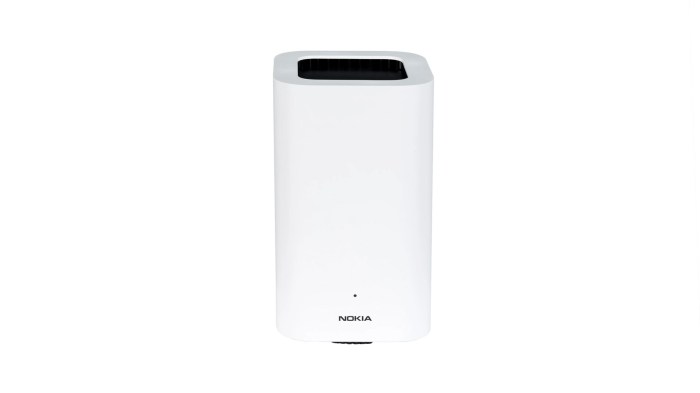
The Bea and Nokia partnership to develop a wireless e-commerce server promises a revolutionary leap forward in online shopping. This initiative isn’t just about enhancing existing platforms; it’s about creating a new paradigm for how we interact with digital marketplaces. The implications for both the technology landscape and the broader industry are profound, opening up exciting possibilities for future innovation.
Potential Future Enhancements
The current wireless e-commerce server design offers a solid foundation. Future enhancements will likely focus on integrating more sophisticated machine learning algorithms to personalize user experiences. This could include predictive inventory management, dynamic pricing adjustments based on real-time market trends, and even personalized product recommendations tailored to individual shopper preferences. Enhanced security protocols, incorporating biometric authentication and AI-driven fraud detection, will be crucial for protecting sensitive financial transactions.
Furthermore, seamless integration with augmented reality (AR) and virtual reality (VR) technologies could transform the online shopping experience, allowing customers to virtually “try on” clothes or “walk through” furniture in their homes before making a purchase.
Impact on the Broader Technology Landscape
This partnership has the potential to significantly impact the broader technology landscape by driving advancements in several areas. Improved wireless communication protocols and efficient data transmission methods will be critical. The development of faster and more reliable 5G and 6G networks, along with advancements in edge computing, will be essential for supporting the high-bandwidth demands of a future where wireless e-commerce is ubiquitous.
This partnership will also likely spur innovation in related fields such as mobile device development, payment systems, and logistics solutions.
Long-Term Implications for the Industry
The long-term implications of this partnership extend beyond immediate technological advancements. The introduction of a highly secure and scalable wireless e-commerce server could fundamentally reshape the retail landscape. This will lead to a more efficient and dynamic marketplace, with greater accessibility for consumers in remote areas and increased competition for businesses. Moreover, it could potentially drive the decline of traditional brick-and-mortar stores in favor of more streamlined and efficient online platforms.
Potential Future Developments in Wireless E-commerce Technologies
The future of wireless e-commerce is likely to be characterized by greater personalization, seamless integration with other technologies, and enhanced security. The emergence of personalized recommendations powered by advanced machine learning algorithms will lead to a more targeted and satisfying online shopping experience. Furthermore, seamless integration with smart homes and wearables will allow for more intuitive and interactive shopping experiences.
The rise of blockchain technology for secure transactions and cryptocurrency payments could further enhance the overall ecosystem.
Table of Potential Future Integrations and Expansions
| Integration Area | Potential Expansion | Description |
|---|---|---|
| Payment Systems | Integration with cryptocurrencies and decentralized payment networks | Facilitating secure and faster transactions through cryptocurrencies and decentralized payment networks, potentially eliminating intermediary fees and processing delays. |
| Customer Experience | Augmented and Virtual Reality integration | Offering immersive virtual shopping experiences, allowing customers to virtually “try on” products, visualize them in their homes, or explore products in a more engaging way. |
| Security | Biometric authentication and AI-driven fraud detection | Implementing biometric authentication methods (like facial recognition or fingerprint scanning) and AI-driven fraud detection systems to ensure higher security levels and prevent fraudulent activities. |
| Logistics | Real-time tracking and delivery optimization | Integrating with real-time delivery tracking systems and advanced algorithms for optimizing delivery routes and times, enhancing the efficiency and reliability of the overall delivery process. |
Last Recap
The BEA and Nokia partnership to develop a wireless e-commerce server presents a compelling vision for the future of online transactions. This initiative signifies a potential paradigm shift in e-commerce, combining advanced wireless technology with robust enterprise solutions. The resulting platform could reshape how businesses operate and consumers interact, opening new avenues for growth and innovation in the industry.
While challenges remain, the potential benefits for both companies and the market are substantial.