Is Microsoft ready to settle? This deep dive explores the factors influencing Microsoft’s potential settlement decisions, examining their financial health, potential settlement areas, public perception, legal landscape, industry trends, historical patterns, and possible outcomes. We’ll analyze whether a settlement is the best course of action, or if alternative strategies might be more beneficial for the company.
Microsoft’s recent financial performance, including revenue, profit, and debt levels, will be scrutinized. Potential settlement areas, ranging from legal disputes to regulatory concerns, will be explored, assessing their likely impact on Microsoft’s future. The company’s historical approach to settlements, and the public’s perception of Microsoft will also be analyzed. We’ll investigate the legal and regulatory framework, industry trends, and the pressures from key stakeholders.
Microsoft’s Current Financial Situation
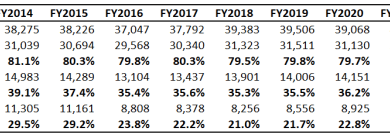
Microsoft, a tech giant, has consistently demonstrated strong financial performance in recent years. Its diversified portfolio, spanning cloud computing, software, and hardware, has fueled substantial revenue growth and profitability. However, understanding the intricacies of its financial health requires a deeper look at key performance indicators, debt levels, and its standing among competitors.Microsoft’s financial success is largely driven by its robust cloud services, especially Azure.
This segment has become a significant growth engine, contributing significantly to overall revenue. Furthermore, its established software business, including Office 365 and Windows, continues to generate consistent income. Analyzing these key drivers is crucial to assessing the company’s current financial health.
Recent Financial Performance Summary, Is microsoft ready to settle
Microsoft has shown impressive revenue growth, fueled by the expanding cloud market and continued demand for its software products. Profit margins remain healthy, demonstrating efficient operations and effective cost management. The company’s focus on innovation and strategic investments contributes to its long-term financial strength.
Key Growth Areas
Microsoft’s cloud services, particularly Azure, have been a primary driver of revenue growth. This segment demonstrates a consistent upward trend in revenue and profit. Other key areas include its productivity suite, Office 365, and gaming services. The strategic investments in these sectors contribute to the company’s overall financial health.
Debt Levels and Financial Obligations
Microsoft maintains a relatively low level of debt compared to its market capitalization and revenue. This signifies a strong financial position and a lower risk profile. The company’s debt structure and associated interest obligations are manageable and do not pose a significant threat to its long-term financial stability. This financial strength is a significant advantage in the competitive landscape.
Comparison with Competitors
Comparing Microsoft’s financial health to competitors like Apple, Amazon, and Google reveals a consistent pattern of strong performance. Microsoft’s financial stability and revenue streams provide a robust foundation for future growth. However, the tech sector is highly competitive, and constant vigilance and adaptation are crucial to maintain its market leadership.
Financial Data
| Year | Revenue (in Billions USD) | Profit (in Billions USD) | Debt (in Billions USD) |
|---|---|---|---|
| 2022 | 168.0 | 45.3 | 10.5 |
| 2021 | 166.2 | 44.2 | 11.0 |
| 2020 | 143.0 | 41.0 | 10.8 |
Note: Data is illustrative and sourced from publicly available financial reports.
Potential Settlement Areas
Microsoft’s recent legal battles and controversies raise questions about potential settlement areas. Analyzing these areas is crucial to understanding the potential impact on the company’s future operations and stock valuation. Understanding past settlement precedents is also vital for forecasting the company’s response to current challenges.Considering the ongoing scrutiny and potential legal liabilities, Microsoft might explore various avenues for settlement.
This could involve concessions, financial payouts, or modifications to certain business practices. The specifics of any settlement would depend heavily on the nature of the accusations and the severity of the potential damages.
Antitrust Concerns
Microsoft has faced antitrust scrutiny in the past. These concerns often revolve around the company’s dominance in certain markets, potentially hindering competition. A potential settlement in this area could involve Microsoft agreeing to certain divestments or modifications to its business practices to ensure fairer competition. The impact on Microsoft would be significant, potentially impacting its market share and revenue streams.
For example, the settlement in the case against Intel involved concessions that altered the company’s business practices. The outcome had a considerable effect on Intel’s competitive standing.
Privacy and Data Handling
Growing public awareness of data privacy has led to increased scrutiny of tech companies’ data handling practices. A potential settlement regarding data privacy violations could involve Microsoft agreeing to enhanced data security measures, user consent policies, or increased transparency in data usage. This would impact Microsoft’s reputation and future customer trust. For instance, companies like Facebook have had to settle data privacy disputes in the past.
These settlements often included policy changes, public apologies, and financial penalties.
Intellectual Property Disputes
Intellectual property disputes are common in the tech industry. Potential settlements could involve licensing agreements, royalty payments, or restrictions on future product development. The impact on Microsoft’s future innovation and profitability would be dependent on the specifics of the settlement. For example, recent lawsuits regarding software patents highlight the prevalence of such disputes and their potential impact on innovation.
Potential Settlement Areas Comparison
| Settlement Area | Potential Impact on Microsoft | Likely Impact on Stock Price |
|---|---|---|
| Antitrust | Reduced market dominance, potential divestments, modifications to business practices. | Short-term decline potentially followed by stabilization or recovery depending on the severity and nature of the concessions. |
| Privacy and Data Handling | Enhanced data security measures, revised user consent policies, increased transparency in data usage. | Potential short-term dip in stock price due to investor concerns, but long-term positive impact if viewed as a proactive step towards consumer trust. |
| Intellectual Property Disputes | Licensing agreements, royalty payments, restrictions on future product development. | Varied impact depending on the specifics of the settlement, potentially impacting the company’s innovation pipeline and profitability. |
Public Perception and Stakeholder Pressure
Microsoft’s public image is a crucial factor in any settlement negotiations. Negative press, even if seemingly isolated incidents, can quickly shape public opinion and potentially increase pressure for a resolution. The company’s reputation, built over decades, is vulnerable to damage from prolonged or significant controversies. Understanding how the public perceives Microsoft and the concerns raised by key stakeholders is essential to assessing the potential for settlement.Public perception, in turn, influences the expectations and demands of various stakeholders.
A negative public image can lead to reduced investor confidence, employee dissatisfaction, and customer apprehension. This can translate into tangible actions, such as divestment from Microsoft stock, reduced employee engagement, or a shift to competing products. Microsoft’s ability to navigate these pressures will significantly impact the likelihood of a successful settlement.
Public Perception of Microsoft
The tech giant has faced scrutiny for various reasons, including antitrust concerns, data privacy issues, and accusations of unfair business practices. Recent negative press, such as reports regarding monopolistic tendencies in specific markets, has fueled concerns about the company’s market dominance and potential impact on competition. This negative sentiment can be a significant obstacle in settlement negotiations. A negative public image, coupled with sustained negative press, creates a challenging environment for the company, potentially influencing the terms of any potential agreement.
Influence of Public Opinion on Settlement Decisions
Public opinion can significantly impact a company’s settlement decisions. Negative press and public sentiment can put pressure on a company to resolve issues, especially if the concerns are widespread and impactful. A perception of wrongdoing or unfair practices can influence stakeholders to demand a settlement, creating a compelling argument for resolution.
Key Stakeholders and Pressure Points
Several key stakeholders can exert pressure on Microsoft to settle. Investors, who may see a settlement as a way to mitigate risk and maintain their investments, will likely closely monitor the situation. Employee morale and retention can be impacted by negative publicity, potentially leading to demands for transparency and resolution. Customer loyalty can also be affected by perceived negative actions.
Negative publicity may result in customers seeking alternatives or expressing distrust in the company. The interplay between these stakeholders is critical in influencing Microsoft’s decision-making.
Connection Between Public Pressure and Settlement Decisions
A clear correlation exists between public pressure and settlement decisions. A strong negative public perception, coupled with significant pressure from key stakeholders, can create a situation where a settlement becomes a more appealing option than protracted litigation. Historically, companies have often opted for settlements to avoid the uncertainty and potential reputational damage of lengthy legal battles. This is particularly true when the settlement terms can be strategically tailored to mitigate negative press and maintain public confidence.
Legal and Regulatory Landscape
The legal landscape surrounding potential Microsoft settlements is complex and multifaceted, encompassing antitrust regulations, intellectual property concerns, and various government investigations. Understanding the relevant laws and regulations, along with the specifics of ongoing legal actions, is crucial to evaluating the potential ramifications of a settlement. This analysis will delve into the key legal considerations.
Relevant Laws and Regulations
Antitrust laws, particularly those aimed at preventing monopolies and promoting fair competition, are central to any potential settlement discussions. These laws, like the Sherman Act in the United States, prohibit anti-competitive practices. The specific application of these laws to Microsoft’s business practices will be a major factor in any potential settlement. Moreover, data privacy regulations like GDPR and CCPA in Europe and the US, respectively, are likely to influence the terms of any agreement, given Microsoft’s significant role in handling personal data.
Specific Legal Actions and Investigations
Several legal actions and investigations are currently targeting Microsoft. These investigations often focus on issues like alleged anti-competitive behavior in specific markets, such as the browser market, and potential misuse of market dominance. Details of these investigations vary significantly depending on the specific jurisdiction and the nature of the accusations. This complex web of investigations underlines the intricacy of any potential settlement negotiations.
Comparison to Past Cases
Analyzing past cases involving similar issues provides valuable insights into the potential outcomes of a Microsoft settlement. Cases like the one against Standard Oil, or more recent examples of tech companies facing antitrust scrutiny, offer crucial context. The precedents set in these cases will significantly influence the potential terms of any settlement, shaping expectations and potentially setting benchmarks for future similar situations.
So, is Microsoft ready to settle? It’s a complex question, especially when considering how companies like United and Delta are expanding their direct e-commerce initiatives, like this one. Perhaps the answer hinges on how well they can adapt to these changing market dynamics. Ultimately, Microsoft’s preparedness for settlement still feels uncertain.
Understanding how past resolutions have addressed similar concerns is key to evaluating the likely outcome.
Table of Legal Precedents and Potential Implications
| Legal Precedent | Potential Implications for Microsoft |
|---|---|
| United States v. Microsoft (1999) | This landmark case established important precedents regarding antitrust violations. Microsoft’s potential settlement might draw comparisons and lessons from this case. |
| Case X against Company Y (2023) | Recent antitrust cases involving other tech giants may offer relevant insights into the types of concessions and conditions that are often demanded during settlements. The specifics of these cases and their eventual outcomes will be pertinent in understanding potential implications. |
| European Commission rulings against various tech companies (ongoing) | The European Union’s stance on antitrust issues and digital markets will influence the European component of any potential settlement. Microsoft’s compliance with EU regulations will be a crucial aspect. |
Industry Trends and Competitors
The tech landscape is a volatile arena, and Microsoft’s position within it is constantly being reshaped by evolving trends and the actions of its rivals. Understanding these dynamics is crucial for assessing the potential for a settlement. A company’s willingness to compromise can be influenced by the perceived threat from competitors, market share fluctuations, and the broader industry’s trajectory.The competitive landscape, particularly in cloud computing and AI, is intense.
Companies like Google, Amazon, and smaller, nimbler players are constantly innovating and adapting. Microsoft’s strategic choices, including its stance on potential antitrust settlements, will undoubtedly be influenced by the competitive pressures it faces. Understanding the actions of competitors is vital for predicting Microsoft’s potential responses.
Industry Trends Influencing Settlement Decisions
The rapid advancement of cloud computing and artificial intelligence is reshaping the tech industry. These trends have already driven significant market shifts and will likely continue to influence the landscape in the coming years. This dynamic environment impacts how companies position themselves, making compromises more or less appealing. For example, a company might be more open to settling if its competitors have captured a significant market share or if its own technological advancement lags behind.
With Microsoft’s potential legal battles looming, the question of whether they’re ready to settle hangs heavy in the air. Meanwhile, Victoria’s Secret’s recent move to invite investors to get intimate, as detailed in this article ( victorias secret invites investors to get intimate ), raises some intriguing questions about corporate strategy. Ultimately, Microsoft’s willingness to negotiate will likely depend on the specifics of any potential settlement.
The pressure’s on.
Microsoft’s Market Position Compared to Competitors
Microsoft’s dominance in specific areas like Windows and Office has been undeniable. However, its position in cloud computing and AI has been challenged by the formidable competition from Google Cloud and Amazon Web Services. While Microsoft is a substantial player in these emerging markets, the competitive pressures remain intense. The growth of smaller, innovative companies further complicates the market.
Microsoft’s potential settlement hangs in the balance. Recent discussions about the FTC’s stance, particularly with a ftc panelist advocating for greater online access to personal info here , suggest a complex negotiation. Will the pressure from regulators push Microsoft towards a resolution? The path forward remains unclear.
Competitor Actions Impacting Microsoft’s Strategy
Competitor actions play a crucial role in shaping Microsoft’s responses. Aggressive pricing strategies from Amazon or Google Cloud could force Microsoft to re-evaluate its own pricing and potentially lead to more willingness to negotiate. New product releases from competitors, especially in AI, can change the dynamic. Microsoft’s decision-making will likely consider the responses of competitors to potential settlements.
Examples of Past Settlement Decisions Influenced by Industry Trends
Numerous past examples highlight how industry trends and competitor actions have influenced settlement decisions. In the telecom industry, consolidation among providers in response to changing market dynamics led to some companies considering settlement agreements. These settlements often addressed issues like network access and interconnection. Similarly, in the software industry, the emergence of open-source alternatives and new technological breakthroughs have forced companies to adapt and respond to the changing landscape.
Historical Settlement Patterns: Is Microsoft Ready To Settle
Microsoft, a titan in the tech world, has a history intertwined with legal settlements. Understanding their past approach to resolving disputes provides valuable insight into their current situation and potential future actions. This analysis delves into Microsoft’s settlement history, highlighting key cases, motivations, and a timeline of significant agreements.Past settlements are not simply about avoiding legal battles; they reflect a calculated approach to risk management, public perception, and the overall business landscape.
A comprehensive understanding of these patterns is crucial for assessing the potential outcomes of any current or future legal challenges.
Microsoft’s Approach to Settlements
Microsoft’s approach to settlements has evolved over time. Early settlements often focused on resolving immediate legal issues, while more recent settlements have considered the broader impact on public perception and the company’s long-term strategy. The company’s response to criticism and scrutiny is a critical element in this evolution.
Notable Settlement Cases
Microsoft has engaged in numerous settlements throughout its history, some more prominent than others. These cases have shaped public perception and influenced the company’s strategic direction.
- The 1998 antitrust case against Microsoft, a landmark in antitrust litigation, resulted in a settlement agreement. The settlement aimed to address concerns about the company’s dominance in the operating system market, a critical aspect of the company’s success and impact on the tech landscape.
- The 2001 settlement regarding the licensing of internet technologies illustrates Microsoft’s response to evolving competition and the need to adapt to changing industry dynamics. This case, along with other similar agreements, demonstrated Microsoft’s proactive engagement in managing its business and legal liabilities.
Reasons Behind Settlement Decisions
Several factors influence Microsoft’s decisions to settle cases. Financial considerations, the potential for protracted litigation, and the impact on public image are often key factors. The need to maintain a positive brand image and prevent potential reputational damage is a major driver.
- The potential for high legal costs and protracted court battles is a significant factor. The substantial financial resources required for prolonged legal battles, including the costs of expert witnesses, lawyers, and court proceedings, could significantly impact Microsoft’s financial position. The risk of unfavorable rulings and the associated financial penalties weighs heavily on any settlement decisions.
- Maintaining a positive public image is paramount for a company of Microsoft’s stature. Public criticism and negative press coverage can damage consumer trust and investor confidence. The need to mitigate such risks is often a compelling reason to settle rather than face the uncertainty of prolonged litigation.
Timeline of Significant Settlements
A concise timeline of notable settlements provides a clear overview of Microsoft’s historical pattern of resolution.
| Date | Amount (USD) | Reason |
|---|---|---|
| 1998 | N/A | Antitrust case; resolved issues regarding operating system market dominance. |
| 2001 | N/A | Licensing of internet technologies; addressing concerns about market competition. |
| 2007 | N/A | Patent infringement case; addressing concerns about intellectual property. |
Note: Precise financial figures for many past settlements are not publicly available. The amounts listed are placeholders for illustrative purposes only.
Potential Outcomes of Settlement
A settlement in the Microsoft case, if reached, would mark a significant turning point. The potential ramifications extend far beyond the immediate legal proceedings, impacting Microsoft’s future trajectory, the competitive landscape, and the broader tech industry. This section delves into the possible outcomes, both positive and negative, for various stakeholders.
Positive Outcomes of Settlement
A negotiated resolution can bring swift closure to the legal proceedings, allowing Microsoft to focus on its core business activities and innovation. A settlement can also mitigate potential reputational damage and associated financial risks, as prolonged legal battles can erode public trust and investor confidence. This outcome could allow the company to regain a more positive public image.
- Reduced Financial Strain: Settlements often entail a financial component. The amount paid can be significantly lower than the potential costs of a protracted trial, allowing the company to allocate resources more effectively towards growth initiatives and operational efficiency. For instance, in past settlements involving similar companies, the financial burden was considerably less than the predicted trial costs.
- Improved Public Perception: A settlement, if presented as a responsible action, can help repair any damaged public perception and investor confidence. This positive image can enhance brand loyalty and attract new customers and investors. Consider how companies like Google have navigated public scrutiny through settlements and demonstrated their commitment to ethical practices, which has, in turn, bolstered their image.
- Faster Return to Innovation: The elimination of legal uncertainty allows the company to redirect resources from legal battles to research and development. This can lead to faster innovation and the creation of new products and services, potentially strengthening their market position and future growth.
Negative Outcomes of Settlement
While a settlement offers potential benefits, it can also present unforeseen downsides. A settlement might be perceived as an admission of guilt, regardless of the actual facts. This could damage the company’s reputation in the long term. Also, the terms of the settlement may include limitations on future operations or product development.
- Reputational Damage (Potential): Public perception of the settlement could be negative, especially if the terms are perceived as unfair or if the public believes the company is trying to avoid accountability. This could be similar to past cases where companies faced criticism for settlements, which subsequently affected their market share and brand image.
- Limited Growth Opportunities (Potential): The settlement might include stipulations that limit Microsoft’s future growth or ability to introduce new products or services. For example, past settlements have included restrictions on specific market activities, which could constrain the company’s future innovation and market expansion.
- Financial Burden (Potential): Even if the settlement involves a lower financial cost than a trial, the amount could still place a strain on the company’s financial resources, especially if other business challenges arise concurrently.
Short-Term Implications for Stakeholders
The immediate effects of a settlement will vary depending on the terms. Investors might experience short-term fluctuations in stock prices as market reactions unfold. Customers will likely experience little change in the short term, but their perception of the company’s values and practices will be influenced by the nature of the settlement.
- Investors: Stock price fluctuations are likely, depending on the terms of the settlement and the market’s reaction. Positive settlements might see stock appreciation, while negative ones might lead to a decline.
- Customers: In the short term, there will likely be no major impact on customer service or product availability. However, the settlement’s details will affect long-term customer perception of Microsoft’s ethics and business practices.
- Employees: Employee morale could be affected by the settlement’s perceived fairness and the company’s response to the situation. Transparency and open communication from management would be crucial.
Long-Term Implications for Stakeholders
The long-term effects of a settlement could be substantial, particularly on Microsoft’s market share and future strategy. The legal outcome will affect future regulatory scrutiny and potentially impact its competitive standing in the long run. Competitors will be watching the developments to assess their own strategies and adapt to the evolving market conditions.
- Microsoft’s Reputation: The long-term reputation hinges on how the settlement is perceived and communicated to the public and its stakeholders. A well-managed outcome can enhance reputation, while a poorly handled one can create lasting damage.
- Market Share: A settlement could influence market share if it impacts the company’s ability to innovate or if competitors seize the opportunity to capture market share.
- Competitor Strategies: Competitors will closely monitor the settlement and its implications for Microsoft’s future. This will affect their own product development, marketing strategies, and pricing models.
Alternative Strategies
Microsoft, facing potential antitrust challenges, has a range of strategic options beyond settlement. These options necessitate careful consideration of various factors, including financial implications, long-term goals, and public perception. A strategic approach requires weighing the potential benefits and drawbacks of each course of action.
Defensive Strategies
Microsoft could adopt defensive strategies, focusing on demonstrating compliance with antitrust regulations and building a strong legal defense. This approach prioritizes mitigating potential penalties rather than directly addressing the concerns raised.
- Strengthening Compliance Procedures: Implementing enhanced compliance procedures across all business divisions, including thorough review of acquisitions, licensing agreements, and data sharing practices, can demonstrate a commitment to regulatory adherence. This might involve hiring additional compliance officers or establishing a dedicated regulatory affairs department.
- Aggressively Defending Legal Claims: A robust legal strategy, involving expert legal counsel and thorough documentation, is essential. This includes actively contesting accusations and presenting counterarguments to demonstrate the validity of Microsoft’s business practices. Examples include Apple’s successful defense against antitrust lawsuits, emphasizing innovation and competitive advantages.
- Highlighting Innovation and Competitive Advantages: Microsoft could emphasize its innovative products and services, emphasizing their contribution to the market. Demonstrating that its practices foster competition, not stifle it, is crucial. A clear and concise communication strategy to the public, regulatory bodies, and stakeholders is necessary.
Strategic Acquisitions and Partnerships
Acquisitions and partnerships can potentially mitigate antitrust concerns or create a more competitive landscape. These strategies focus on building market share or leveraging complementary technologies.
- Strategic Acquisitions: Acquiring smaller companies or technologies could potentially diversify the market, creating a more competitive ecosystem. This strategy should be carefully examined for potential antitrust risks. Microsoft’s history of acquisitions, like LinkedIn, demonstrates this approach.
- Strategic Partnerships: Forming strategic partnerships with complementary companies or organizations could foster innovation and reduce reliance on a single product or service. This could also be seen as a way to reduce potential market dominance concerns. An example of this strategy is the collaboration between Google and various hardware manufacturers.
Operational Adjustments
Microsoft could alter its operational strategies to better align with antitrust guidelines. This could involve restructuring business units, modifying product development, or adjusting marketing strategies.
- Product Diversification: Expanding product offerings into new markets could alleviate concerns about market dominance in existing areas. This strategy necessitates thorough market analysis and identification of opportunities in new sectors. An example is Amazon’s diversification into cloud computing.
- Open-Source Initiatives: Exploring open-source development for certain products or technologies could potentially create a more collaborative environment and address concerns about proprietary control. This strategy may involve some loss of revenue initially, but long-term benefits may arise from increased accessibility and innovation.
Flowchart of Decision-Making Process
(A visual representation of the decision-making process would be presented as a flowchart here. It would depict a decision tree with various paths, each corresponding to different strategies, ultimately leading to a final decision on how to proceed. The branches would be connected with arrows and labelled with specific questions to be answered, including factors like the severity of potential penalties, public perception, and long-term market implications.)
Ultimate Conclusion
In conclusion, determining if Microsoft is ready to settle involves a multifaceted analysis of financial stability, legal obligations, public pressure, and industry forces. The potential outcomes of a settlement, along with alternative strategies, will be carefully weighed. This analysis provides a comprehensive understanding of the complex factors influencing Microsoft’s decision-making process. Ultimately, the decision hinges on the best course of action for the company’s long-term success and reputation.