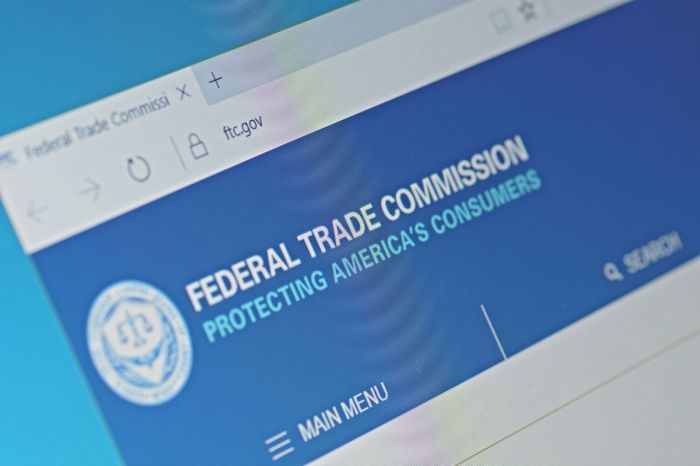
Ftc e commerce mediations should replace lawsuits – FTC e-commerce mediations should replace lawsuits. This innovative approach proposes a shift from traditional litigation to a more streamlined and potentially more cost-effective dispute resolution method for online commerce. Current e-commerce disputes often involve complex legal processes, leading to significant time and financial burdens for both businesses and consumers. This alternative suggests a path towards quicker, more flexible, and potentially more creative solutions.
The current e-commerce landscape is rife with disputes, ranging from contract disagreements to product defects. Existing legal systems often fail to adequately address the unique characteristics of online transactions, leading to lengthy and costly lawsuits. This framework explores how mediation, with its emphasis on negotiation and compromise, could offer a more practical and efficient alternative.
Overview of FTC E-commerce Mediations
Navigating the complexities of online commerce often leads to disputes. Fortunately, alternative dispute resolution methods, like FTC e-commerce mediations, offer a pathway to resolve these issues more efficiently and cost-effectively than traditional litigation. This approach prioritizes collaborative problem-solving, aiming for mutually agreeable solutions.E-commerce disputes frequently arise from issues like misrepresentation of products, non-delivery, or unsatisfactory quality. These conflicts can range from minor disagreements to substantial financial losses, impacting both consumers and businesses.
Mediation provides a structured environment to address these issues with a neutral third party guiding the discussion.
Current Processes for Resolving E-commerce Disputes
Currently, resolving e-commerce disputes often involves the traditional legal system. This system can be lengthy, costly, and emotionally draining for all parties involved. However, mediation offers an alternative, often more streamlined approach. The FTC often facilitates these mediations, acting as a neutral third party to help both sides reach a mutually acceptable resolution.
Common Issues in E-commerce Disputes
Several common issues fuel e-commerce disputes. These issues frequently include discrepancies in product descriptions, delays in shipping, and unsatisfactory product quality. Additionally, issues of payment processing, return policies, and warranty claims frequently arise. Misunderstandings surrounding contract terms and conditions also contribute to conflict.
Benefits and Drawbacks of the Current Legal System for E-commerce
The traditional legal system for e-commerce disputes presents both advantages and disadvantages. A major advantage is the established legal framework, providing a degree of predictability and recourse for consumers and businesses. However, this system is often time-consuming and expensive, potentially deterring smaller businesses from pursuing legal action. Further, the sheer volume of e-commerce transactions can overwhelm the courts.
Examples of Successful E-commerce Mediations
While specific examples of successful FTC mediations are not readily publicized, the success rate of alternative dispute resolution methods like mediation is generally high. These resolutions often involve a willingness of both parties to compromise and find a mutually acceptable solution.
Comparison of Litigation and Mediation Time and Cost
| Feature | Litigation | Mediation ||—|—|—|| Average Time to Resolution | 6-12+ months | 2-6 weeks || Average Legal Costs | $10,000 – $100,000+ | $1,000 – $5,000 || Outcome Certainty | Relatively high (though uncertain) | Negotiated, potentially more flexible outcomes || Emotional Toll | High | Lower, as parties actively participate in finding solutions |This table illustrates the significant differences in time and cost between litigation and mediation.
Mediation provides a significantly more expeditious and cost-effective method of resolving disputes.
FTC e-commerce mediations should definitely replace lawsuits. They’re a far more efficient and less costly way to resolve disputes, and frankly, the current system is a mess. Companies like Amazon and others, exemplified by the issues detailed in gates co are living in denial , are clearly struggling to adapt to a changing market. This highlights the urgent need for alternative dispute resolution methods like mediations, so consumers have a fairer and quicker path to resolution.
Advantages of Mediations over Lawsuits
E-commerce disputes, unfortunately, are a common occurrence in today’s digital marketplace. Whether it’s a faulty product, a delayed shipment, or a breach of contract, these disagreements can quickly escalate into costly and time-consuming legal battles. Mediation offers a more efficient and often less expensive alternative to traditional lawsuits, potentially saving both businesses and consumers significant resources.Mediation is a structured negotiation process facilitated by a neutral third party.
This neutral party, a mediator, helps the disputing parties communicate effectively, identify common ground, and reach a mutually agreeable solution. This process contrasts sharply with the adversarial nature of litigation, which often focuses on winning rather than finding a solution.
Cost Savings for Businesses and Consumers
Mediation generally involves significantly lower costs compared to lawsuits. Legal fees, court costs, expert witness fees, and the time spent by attorneys all contribute to the substantial expenses associated with litigation. Mediation, on the other hand, typically involves a more modest mediator fee and significantly less time commitment for the parties involved. This translates to substantial savings for both businesses and consumers, allowing them to allocate resources more effectively.
Speed of Mediation Processes, Ftc e commerce mediations should replace lawsuits
Mediation processes are considerably faster than lawsuits. The time required to file lawsuits, conduct discovery, and schedule court hearings can span months, or even years. In contrast, mediation often results in a resolution within a few weeks or months, depending on the complexity of the dispute and the willingness of the parties to cooperate. This speed advantage is particularly valuable for businesses needing quick resolution to maintain operational efficiency and customer satisfaction.
Flexibility and Confidentiality of Mediation
Mediation offers unparalleled flexibility in crafting solutions tailored to the specific needs of the parties. Lawsuits, by contrast, are constrained by legal procedures and precedents. The confidential nature of mediation encourages open communication and creative problem-solving without the risk of public disclosure of sensitive information. This confidentiality is particularly valuable for e-commerce businesses concerned about reputational damage.
FTC e-commerce mediations should absolutely replace lawsuits. They’re quicker, cheaper, and often more effective at resolving disputes. Think about it, a recent hacker alert for major operating system users ( hacker alert for major operating system users ) highlights the need for streamlined conflict resolution. If we can efficiently address online security threats, imagine the positive impact on consumer confidence and overall e-commerce trust.
This same approach can and should be applied to consumer disputes, shifting the focus from costly legal battles to amicable settlements.
Potential for More Creative and Tailored Solutions
Mediation’s flexibility allows for the development of innovative and tailored solutions that might not be possible within the rigid framework of a lawsuit. Mediators can facilitate the exploration of options outside the traditional legal remedies, such as customized refunds, expedited shipping arrangements, or product replacements. This approach often leads to more satisfactory outcomes for all parties involved, going beyond simply awarding monetary damages.
Quicker Resolutions in Mediation
| Dispute Type | Typical Timeframe (Lawsuit) | Typical Timeframe (Mediation) |
|---|---|---|
| Simple product defect claim | 3-6 months | 1-3 weeks |
| Complex contract dispute | 6-12 months | 2-6 weeks |
| Intellectual property infringement | 12+ months | 4-8 weeks |
Mediation offers a demonstrably quicker path to resolution, as seen in the table above. The streamlined process, coupled with the focus on collaborative problem-solving, significantly reduces the time required to resolve disputes. This can have a significant impact on both businesses and consumers, reducing stress and enabling faster recovery from disagreements.
Potential Challenges of Replacing Lawsuits with Mediations
Mediation offers a potentially faster and less expensive alternative to traditional litigation in e-commerce disputes. However, transitioning entirely to mediation presents significant hurdles, particularly in terms of establishing precedents and ensuring the enforceability of agreements. A careful evaluation of these challenges is crucial for determining the optimal application of mediation within the e-commerce sector.The shift from adversarial litigation to collaborative mediation introduces a range of potential obstacles that need careful consideration.
These challenges often stem from the inherent differences between the two processes, including the absence of binding precedent in mediation and the potential ambiguity in enforcing mediated agreements.
Loss of Legal Precedent in Mediation
Mediation, by its nature, is a non-binding process. Agreements reached through mediation are not judicially enforceable unless formalized into a contract. This contrasts sharply with lawsuits, where court rulings establish precedents that shape future legal interpretations and applications. The absence of such binding precedent in mediation can limit the development of consistent legal principles within the e-commerce landscape.
This lack of a codified legal framework can leave businesses unsure about the boundaries of acceptable practices and the implications of their actions in the future. For example, a mediation agreement resolving a specific instance of trademark infringement might not set a precedent for similar disputes.
Concerns Regarding Enforceability of Mediation Agreements
While mediation agreements can be formalized, their enforceability hinges on the parties’ willingness to adhere to the terms. A critical concern lies in the absence of judicial scrutiny and the possibility of parties reneging on agreed-upon resolutions. Enforceability can vary based on the jurisdiction and the specific terms of the agreement. This variability can pose a significant risk to businesses, particularly when dealing with cross-border disputes, where the legal framework governing the enforcement of mediation agreements might differ substantially.
Effectiveness of Mediation for Different E-commerce Disputes
The effectiveness of mediation in resolving e-commerce disputes is not uniform. Different types of disputes respond differently to the collaborative nature of mediation. Consumer complaints regarding product quality or misleading advertising, for instance, might be well-suited to mediation. However, more complex disputes involving intellectual property infringement or fraud might require the more rigorous framework of litigation to achieve a definitive resolution.
Examples of Situations Where Mediation Might Be Less Effective
Mediation might be less effective in situations where a party’s actions involve blatant fraud or malicious intent. In cases involving significant financial harm or a clear violation of consumer protection laws, the adversarial nature of litigation might be necessary to hold a party accountable and deter similar future actions. For example, disputes concerning systematic copyright infringement or instances of severe data breaches, where a party has intentionally violated established regulations, might benefit less from the conciliatory nature of mediation.
Suitability of Mediation for Various E-commerce Disputes
| Type of E-commerce Dispute | Suitability for Mediation | Reasons |
|---|---|---|
| Consumer complaints about product quality | High | Relatively straightforward, focus on compensation |
| Intellectual property infringement | Moderate | Potentially complex legal issues, need for precedent |
| Fraudulent activities | Low | High risk of non-compliance, need for strong legal recourse |
| Data breaches | Moderate | Depends on severity and potential for long-term harm |
| Contract disputes | High | Often amenable to negotiation and compromise |
Structure and Process of E-commerce Mediations: Ftc E Commerce Mediations Should Replace Lawsuits

Mediation, as a less adversarial alternative to lawsuits, offers a structured path to resolving disputes in e-commerce. This process prioritizes collaboration and finding mutually agreeable solutions, often leading to faster and more cost-effective outcomes than protracted legal battles. A well-defined framework for FTC e-commerce mediations is crucial for its success and effectiveness.
Proposed Framework for FTC E-commerce Mediations
This framework Artikels a structured approach to FTC e-commerce mediations, ensuring a fair and efficient process for all parties involved. It seeks to balance the need for a streamlined process with the crucial requirements of transparency, impartiality, and due process. The framework prioritizes the prompt resolution of disputes while safeguarding the rights of both consumers and businesses.
Roles and Responsibilities of Mediators and Participants
The success of e-commerce mediation hinges on the defined roles and responsibilities of all parties. Mediators act as neutral facilitators, guiding the discussion and encouraging communication between the disputing parties. Their primary responsibility is to ensure a respectful and productive dialogue, while maintaining impartiality. Participants, which include the FTC, the e-commerce business, and the affected consumer(s), must actively participate in the process.
They are responsible for presenting their perspectives and engaging constructively with counterarguments. The FTC’s role in this framework is to act as a catalyst, ensuring fair processes and outcomes. They can be represented by staff or appointed attorneys, but must prioritize impartiality.
Steps Involved in the Mediation Process
The mediation process follows a series of well-defined steps, designed to maximize the potential for a successful resolution.
- Initial Contact and Intake: The process begins with a clear communication between the parties, ideally through a designated intake coordinator or officer. This step involves outlining the dispute, identifying key issues, and gathering necessary information. The FTC plays a role in ensuring the process is initiated appropriately, verifying the mediation’s eligibility, and providing relevant documentation. The intake stage will involve identifying and clarifying the scope of the dispute and potential solutions.
- Mediator Selection and Appointment: A neutral and qualified mediator is selected. This selection process will involve criteria, such as experience in e-commerce disputes, relevant legal knowledge, and impartiality. The FTC may have a pre-approved list of qualified mediators. Mediators are selected based on expertise, neutrality, and ability to understand the nuances of e-commerce disputes. This stage is crucial to establishing trust and ensuring the process is fair.
- Pre-Mediation Communication and Preparation: Participants are encouraged to prepare their positions in advance. This includes gathering supporting evidence and outlining their desired outcomes. The mediator will engage in pre-mediation communications with each participant, ensuring clarity on the issues at hand. This phase facilitates a smoother mediation process by ensuring all parties are prepared.
- Mediation Session(s): The mediation sessions will take place in a structured manner. The mediator facilitates discussions, encourages communication, and helps identify common ground. The sessions are designed to be collaborative, focusing on identifying solutions rather than assigning blame. The process involves active listening, understanding opposing viewpoints, and seeking creative solutions.
- Agreement and Documentation: If a mutually agreeable resolution is reached, the parties will formalize the agreement in writing. This agreement will Artikel the terms of the settlement and the responsibilities of each party. The mediator will assist in drafting the agreement to ensure clarity and enforceability. This final step ensures the agreement is comprehensive and addresses all relevant aspects of the dispute.
Process for Selecting Mediators
A transparent and objective process for selecting mediators is crucial for ensuring impartiality and trust.
- Criteria for Selection: Mediators should possess expertise in e-commerce law, dispute resolution, and related fields. Impartiality and neutrality are paramount. A panel of qualified mediators could be pre-selected and vetted by the FTC. The selection process should be transparent and avoid any potential for bias.
- Application Process: A standardized application process for mediators would ensure all candidates are evaluated based on pre-defined criteria. A panel or committee would review applications and select the most appropriate mediators.
- Background Checks: Thorough background checks and conflict-of-interest assessments are vital to ensuring mediators’ neutrality and integrity. This process could involve a simple check for prior involvement in similar cases or prior conflicts.
Sample Flow Chart of a Proposed Mediation Process
(A visual flow chart is not included, but would depict a clear step-by-step process, starting with initial contact and culminating in a documented agreement.)
Legal and Regulatory Considerations
Replacing lawsuits with mediation in e-commerce disputes raises critical legal and regulatory questions. The Federal Trade Commission (FTC) plays a vital role in ensuring fair business practices online, and the potential shift in dispute resolution mechanisms demands careful examination of their authority and impact on consumer rights. This section delves into the legal landscape surrounding this change, considering potential challenges and the relevant legal framework.
Legal Authority of the FTC
The FTC’s authority to oversee e-commerce mediations stems from its broad mandate to protect consumers and promote fair competition. While the FTC doesn’t have explicit authority over mandatory mediation, its power to investigate and enforce violations of existing laws relevant to e-commerce, like the Federal Trade Commission Act, provides a foundation for influencing mediation processes. The FTC’s ability to act as a neutral party in facilitating these mediations and ensuring fairness is crucial.
The FTC could leverage its existing investigatory powers to encourage compliance with mediation outcomes, thus bolstering its effectiveness in protecting consumers.
Impact on Consumer Rights
Mediation, unlike litigation, often lacks the transparency and public record associated with lawsuits. This could potentially impact consumer rights by reducing opportunities for public scrutiny of business practices. However, mediation can offer a more streamlined and potentially quicker resolution for consumers, potentially improving access to redress. A balance must be struck between efficiency and the right of consumers to seek redress through established legal processes.
Potential Legal Challenges to Replacing Lawsuits with Mediations
Shifting from litigation to mediation in e-commerce disputes presents potential legal challenges. A key concern is the enforceability of mediated agreements. If parties don’t comply with the mediated resolution, recourse to the courts may be limited, particularly if the mediation lacked a legally binding contract. Ensuring the enforceability of mediated agreements and the ability of consumers to seek recourse in cases of non-compliance is paramount.
Furthermore, the lack of precedent in some jurisdictions regarding mediated outcomes could hinder the legal system’s ability to effectively handle future disputes.
Overview of Relevant Laws and Regulations Governing E-commerce
Numerous laws and regulations govern e-commerce, including the Consumer Financial Protection Bureau (CFPB) rules, the Children’s Online Privacy Protection Act (COPPA), and the Fair Credit Reporting Act. These regulations address specific aspects of e-commerce, such as consumer protection, data privacy, and financial transactions. Understanding these regulations is critical to assessing the impact of mediation on their enforcement.
Table: Legal Precedent Potentially Impacted by Switching to Mediation
| Area of Law | Existing Legal Precedent | Potential Impact of Mediation |
|---|---|---|
| Consumer Protection | See, e.g., FTC v. POM Wonderful LLC | Mediation could potentially limit the scope of future consumer protection cases if non-compliance is not adequately addressed. |
| Data Privacy | See, e.g., California Consumer Privacy Act (CCPA) | Mediated settlements may not provide the same level of transparency and public accountability as court rulings, potentially affecting future data privacy cases. |
| E-commerce Fraud | See, e.g., cases involving fraudulent online sales practices | Mediation might hinder the ability to establish legal precedents for future cases involving e-commerce fraud, making it harder to prosecute similar fraudulent practices. |
Impact on Businesses and Consumers
Shifting from lawsuits to e-commerce mediations presents a multifaceted impact on both businesses and consumers. This paradigm shift promises to streamline dispute resolution, potentially saving time and resources for all parties involved. However, careful consideration must be given to the potential consequences for small businesses, consumer access to justice, and the overall e-commerce ecosystem. The impact on the relationship between businesses and consumers, along with the benefits and drawbacks for consumers, must be thoroughly analyzed.
Potential Impact on Small Businesses
Small businesses often lack the resources and expertise to navigate lengthy and costly legal battles. Mediation, with its focus on collaborative solutions, can offer a more accessible and affordable path to resolving disputes. This accessibility is particularly important for small businesses, as they may not have the resources for extensive litigation. A successful mediation can save valuable time and financial resources that can be reinvested into the business.
However, the potential for unfair leverage by larger businesses in mediation settings must be acknowledged. Small businesses might be pressured into accepting less favorable outcomes due to their limited resources. Furthermore, the effectiveness of mediation depends on the willingness of both parties to participate constructively.
FTC e-commerce mediations, in my opinion, should absolutely replace lawsuits. The sheer volume of online transactions, and the rapid growth of companies like those highlighted in the article about the fastest growing tech firms calling the internet home, fastest growing tech firms call internet home , makes a swift, efficient mediation process crucial. This approach would likely be more effective and less costly in the long run, especially for smaller businesses and consumers navigating this complex digital landscape.
Impact on Consumer Access to Justice
Mediation can potentially increase consumer access to justice, particularly for those with limited resources. The streamlined process and lower costs associated with mediation can make it more practical for consumers to pursue redress for issues like faulty products or deceptive business practices. However, consumer representation and understanding of mediation processes are critical factors. If consumers lack adequate legal representation or fail to fully grasp the mediation process, they might be at a disadvantage compared to businesses with greater resources.
Potential Impact on the Overall E-commerce Marketplace
Mediation could foster a more positive and collaborative environment within the e-commerce marketplace. By resolving disputes swiftly and efficiently, mediation can reduce the negative publicity and reputational damage associated with prolonged legal battles. This, in turn, could enhance trust and transparency in the online marketplace. However, the effectiveness of mediation relies heavily on the integrity and fairness of the mediation process and the commitment of all participants.
The success of mediation in shaping the e-commerce marketplace depends on its effective application and consistent enforcement.
Impact on the Relationship Between Businesses and Consumers
Mediation can potentially improve the relationship between businesses and consumers. By providing a forum for constructive dialogue and resolution, mediation can help both parties understand each other’s perspectives and work towards mutually beneficial solutions. This improved communication could lead to greater customer satisfaction and loyalty. However, the potential for power imbalances between businesses and consumers, even in a mediation setting, must be addressed to ensure fairness.
The successful mediation process depends on the collaborative spirit and willingness of both parties to engage in good faith.
Comprehensive Analysis of Possible Benefits and Drawbacks for Consumers
Mediation offers consumers the potential for quicker and more affordable resolutions to e-commerce disputes. Consumers may find it easier to pursue claims against businesses with less financial burden compared to lawsuits. However, consumers must be aware that mediation might not always guarantee a favorable outcome. The effectiveness of mediation depends on consumer awareness of their rights and the ability to negotiate effectively.
Furthermore, the potential for bias in the mediation process, or lack of representation, could pose a drawback for consumers. A comprehensive understanding of the process is essential for consumers to navigate it successfully.
Implementation Strategies
Transitioning to a mediation-focused system for e-commerce disputes requires a phased approach, considering both the legal and practical implications. A well-structured implementation plan will be crucial to ensure a smooth transition and maximize the benefits of mediation. This plan should address the needs of both businesses and consumers, fostering a culture of amicable resolution.
Potential Implementation Strategies
The success of a mediation-based system hinges on a well-defined implementation strategy. Key strategies involve building capacity, developing clear procedures, and educating stakeholders. These strategies will not only facilitate a smoother transition but also increase the adoption of mediation.
- Phased Rollout: A gradual implementation strategy is often preferred. Starting with specific dispute types or industry sectors allows for testing and refinement before broader adoption. This gradual rollout can minimize disruption and allows for adjustments as needed. For instance, the initial phase might focus on disputes related to shipping delays or incorrect product delivery, gradually expanding to more complex issues as the system gains experience.
- Training and Education: Both businesses and consumers need to understand the mediation process. This includes workshops, online resources, and materials outlining the benefits and steps involved in mediation. Clear communication about the process will build trust and encourage participation. For example, a company can create an online tutorial or a dedicated FAQ section on their website to answer consumers’ questions about the mediation process.
- Capacity Building: An independent body, or a team within the FTC, should be responsible for managing the mediation process. This involves recruiting and training mediators, creating a database of qualified mediators, and ensuring adequate staffing. This dedicated team will be essential for ensuring consistent and fair application of the mediation procedures.
- Technology Integration: Utilizing technology can streamline the mediation process. This could include online dispute resolution platforms, automated communication systems, and secure data storage. This would allow for quicker and more efficient resolution of disputes.
Transition Steps
A smooth transition requires a detailed plan outlining the steps involved. The steps should be carefully coordinated to minimize disruption and ensure a positive user experience.
- Drafting of Procedures: Clear, concise, and accessible procedures for initiating, conducting, and concluding mediations are essential. These procedures should be readily available to both businesses and consumers. This will ensure transparency and facilitate a clear understanding of the process for all parties.
- Public Awareness Campaign: Inform businesses and consumers about the mediation program through various channels, such as social media, websites, and local media outlets. This will ensure a wide reach and understanding of the benefits of the program.
- Pilot Program: A pilot program in a specific industry or geographic region can identify potential issues and allow for adjustments before widespread implementation. This pilot phase will be crucial for refining the mediation process and ensuring its effectiveness.
- Feedback Mechanism: Establish channels for gathering feedback from businesses and consumers. This feedback is essential for improving the mediation process and ensuring its effectiveness. Regular feedback sessions with relevant stakeholders can identify areas for improvement and maintain the integrity of the system.
- Monitoring and Evaluation: Track key metrics, such as the number of disputes mediated, the resolution rate, and the time taken to resolve disputes. This will provide valuable data for evaluating the program’s success and identifying areas for improvement.
Resources Needed
Implementing a robust mediation system requires a range of resources. These resources include financial support, trained personnel, and suitable infrastructure.
| Resource Category | Specific Resources |
|---|---|
| Financial | Funding for mediator training, platform development, and administrative costs. |
| Human Capital | Recruiting and training mediators, establishing an administrative team, and ensuring adequate staffing levels. |
| Technological | Developing or acquiring online dispute resolution platforms, secure communication systems, and data management tools. |
Funding Mechanisms
Funding for this initiative can come from various sources, including government grants, private sector contributions, and fees collected from parties involved in mediations. The funding model should be sustainable and support the long-term viability of the program.
“A combination of funding sources, including government grants and private sector contributions, will likely be necessary for a comprehensive implementation.”
Proposed Implementation Plan
A comprehensive implementation plan Artikels specific steps, timelines, and responsibilities for each stage of the transition. The plan should address potential challenges and incorporate strategies to mitigate risks. A well-defined implementation plan will be critical for a smooth transition and maximize the effectiveness of the program.
Alternative Dispute Resolution Models
Navigating the complexities of e-commerce disputes often requires efficient and cost-effective resolution methods beyond traditional litigation. Alternative Dispute Resolution (ADR) models offer a spectrum of options, each with its strengths and weaknesses, that can be tailored to the specific nature of online conflicts. This section delves into various ADR models applicable to e-commerce, highlighting best practices and successful implementations in related industries.
Comparison of ADR Models for E-commerce
Different ADR models possess varying characteristics, impacting their suitability for specific e-commerce disputes. Arbitration, for example, offers a more formal process with a neutral third-party decision-maker, often preferred for complex or high-stakes cases. Mediation, conversely, emphasizes negotiation and agreement-building, proving beneficial in situations where maintaining a business relationship is crucial. These differing approaches dictate the roles of parties, the formality of the proceedings, and the expected outcomes.
The choice of model depends heavily on the specific details of the dispute, the involved parties’ objectives, and the desired level of formality.
Potential Best Practices from Other Industries
Successful ADR implementations in other industries provide valuable lessons for e-commerce. The retail sector, with its frequent customer interactions and product-related disputes, demonstrates effective strategies for dispute resolution through readily accessible online platforms and pre-dispute agreements. Likewise, the software industry has benefited from establishing independent review boards that mediate technical disagreements between developers and clients, highlighting the importance of tailored dispute resolution processes.
Learning from these successes allows for the adaptation and refinement of ADR mechanisms for the unique challenges within e-commerce.
Successful ADR Implementations in Similar Fields
Several successful ADR implementations exist in sectors with comparable dispute characteristics. Online travel agencies, for instance, frequently use mediation to resolve disputes between consumers and hotels or airlines, aiming to expedite the process and foster amicable settlements. The success of these programs hinges on establishing clear dispute resolution policies within the platforms and ensuring that the chosen ADR mechanism aligns with the nature of the disputes.
Adapting Existing ADR Mechanisms for E-commerce
E-commerce mediations can adapt existing ADR mechanisms by leveraging online platforms for efficient communication and document sharing. The use of online dispute resolution (ODR) platforms can facilitate remote mediation sessions, reducing travel costs and increasing accessibility for geographically dispersed parties. Utilizing existing industry best practices and adapting them to the specific nuances of e-commerce disputes is essential. For example, the incorporation of automated dispute triage systems can efficiently route cases to the most appropriate ADR model, optimizing the process and ensuring timely resolution.
Table of ADR Models and Suitability for E-commerce
| ADR Model | Description | Suitability for E-commerce | Advantages | Disadvantages |
|---|---|---|---|---|
| Mediation | Negotiation-focused process with a neutral mediator | High suitability for maintaining business relationships, resolving minor disputes | Cost-effective, preserves relationships | May not be suitable for complex disputes, lacks binding decisions |
| Arbitration | Formal process with a neutral arbitrator making a binding decision | Suitable for complex disputes, potentially faster than litigation | Binding decision, potentially faster than litigation | Can be more expensive than mediation, may not be suitable for preserving relationships |
| Early Neutral Evaluation (ENE) | Neutral evaluator assesses the case and provides recommendations | Suitable for identifying areas of agreement and potential solutions | Provides objective assessment, identifies potential solutions | Non-binding, may not fully resolve the dispute |
| Conciliation | Mediator assists parties in reaching a settlement | Good for complex disputes, when direct negotiation is difficult | Can be effective in resolving complex issues | Less formal than arbitration, not always binding |
Closing Summary
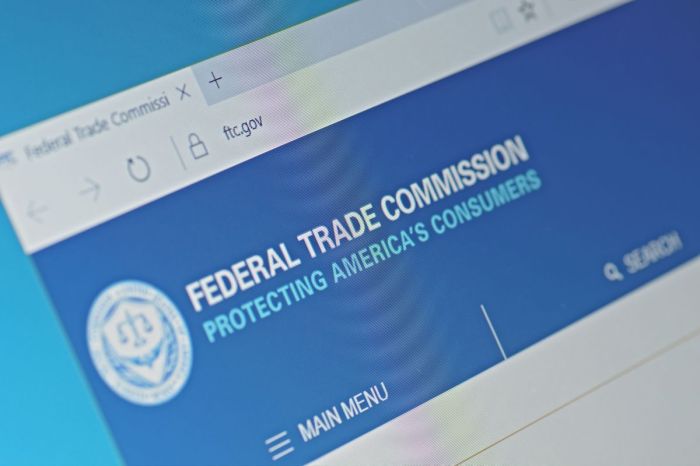
In conclusion, the potential benefits of replacing lawsuits with FTC e-commerce mediations are substantial, offering businesses and consumers a faster, more cost-effective, and potentially more flexible approach to dispute resolution. While challenges like potential precedent loss and enforceability concerns exist, careful consideration of alternative dispute resolution models and implementation strategies can mitigate these issues. The future of e-commerce dispute resolution may well lie in a more collaborative, less adversarial environment.