Amazon caught between a rock and a hard place, navigating a complex web of pressures from competing demands. From balancing customer expectations with internal operational needs, to grappling with regulatory scrutiny and labor concerns, Amazon faces a multitude of challenges. This deep dive explores the intricate factors contributing to Amazon’s current predicament, examining the company’s past strategies, present challenges, and potential future adaptations.
This analysis examines the delicate dance Amazon must perform to satisfy diverse stakeholders, including customers, employees, regulators, and investors. It explores the potential trade-offs between profitability, customer satisfaction, and ethical considerations, and offers insights into the strategies Amazon might employ to maintain its competitive edge while navigating these intertwined pressures. The challenges extend to maintaining a balance between speed, cost, and environmental sustainability in a rapidly evolving market.
Amazon’s Dual Pressures
Amazon, a behemoth in the e-commerce world, faces a complex web of competing pressures that demand constant adaptation and strategic maneuvering. From maintaining customer satisfaction to navigating regulatory hurdles and labor relations, the company operates in a dynamic environment where seemingly opposing forces frequently collide. This article delves into the multifaceted pressures Amazon faces, examining the stakeholders involved and the potential conflicts arising from their diverse expectations.Amazon’s success is intricately tied to its ability to balance competing demands.
The company must juggle the needs of its vast customer base with the expectations of its employees, investors, and governments. Maintaining profitability while upholding ethical standards and environmental responsibility are critical factors in this delicate balancing act. Navigating these dual pressures requires a sophisticated understanding of the interplay between stakeholders and a willingness to adapt to evolving circumstances.
Amazon’s in a tough spot, caught between rising regulatory scrutiny and maintaining their massive market share. Recent government probes into transactions on eBay, like the one detailed in government probes transactions on ebay , highlight the complexities of the online retail landscape. These investigations likely add to the pressure already mounting on Amazon, forcing them to navigate a precarious balance between business practices and compliance.
Competing Pressures on Amazon
Amazon’s success is inextricably linked to its ability to manage a multitude of often conflicting pressures. These pressures arise from a variety of stakeholders with varying interests and expectations. Understanding these pressures is crucial for comprehending the challenges Amazon faces in its pursuit of sustained growth and profitability.
- Customer Expectations: Amazon’s vast customer base expects consistently low prices, a wide selection of products, speedy delivery, and a seamless shopping experience. These expectations, while driving sales, also impose significant logistical and operational demands on the company. Meeting these demands often translates into significant investments in infrastructure, fulfillment centers, and technological advancements.
- Regulatory Scrutiny: Amazon operates in a complex regulatory landscape, facing scrutiny regarding antitrust practices, labor regulations, and environmental impact. Maintaining compliance with regulations while navigating evolving legal precedents poses a significant challenge. Instances of governmental investigations or lawsuits highlight the constant pressure Amazon faces in adhering to ever-changing legal requirements.
- Labor Relations: Amazon’s vast workforce, particularly in its fulfillment centers, has raised concerns about working conditions and compensation. Maintaining positive labor relations while achieving high productivity levels is crucial for maintaining operational efficiency. Amazon has faced significant criticism regarding working conditions and wages, demanding ongoing attention and proactive strategies to address worker concerns and foster a positive work environment.
- Competition: The e-commerce market is highly competitive, with established players like Walmart and emerging rivals continually vying for market share. Amazon must constantly innovate to maintain its competitive edge, which involves significant investments in research and development, new product lines, and expansion into new markets.
- Environmental Concerns: Amazon’s massive logistical network has a substantial environmental footprint. Balancing its operational needs with environmental responsibility is an ongoing challenge, demanding innovative solutions and a commitment to sustainability. The company’s delivery operations and carbon emissions have generated substantial environmental concerns, demanding a commitment to sustainable practices and technological advancements in the industry.
Amazon’s Navigational Strategies, Amazon caught between a rock and a hard place
Amazon’s history is replete with examples of how it has navigated similar situations in the past. Adapting to changing market dynamics and stakeholder expectations has been a core tenet of the company’s success. This adaptability allows the company to respond to changing customer preferences and market conditions. The following table summarizes the major pressures on Amazon and examples of how it has addressed them.
| Major Pressure | Description | Examples of Amazon’s Response |
|---|---|---|
| Customer Expectations | Maintaining low prices, wide selection, speedy delivery, seamless experience | Investing in logistics, fulfillment centers, and technology; expanding product offerings; implementing Prime membership |
| Regulatory Scrutiny | Navigating antitrust laws, labor regulations, environmental impact | Collaborating with regulators; implementing compliance programs; investing in sustainable practices |
| Labor Relations | Maintaining positive relations with employees | Implementing worker benefits; improving working conditions; addressing concerns through dialogue |
| Competition | Maintaining competitive edge in a rapidly changing market | Innovation in product offerings; developing new technologies; expanding into new markets |
| Environmental Concerns | Balancing operations with environmental responsibility | Investing in sustainable packaging; optimizing delivery routes; developing renewable energy solutions |
Customer Expectations vs. Internal Demands
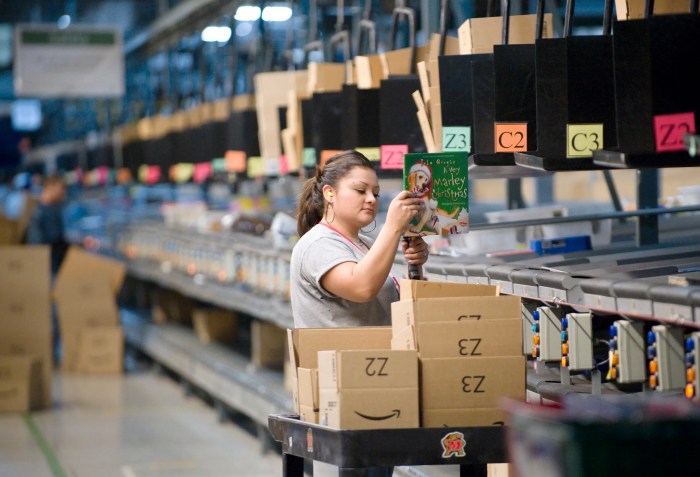
Amazon’s relentless pursuit of customer satisfaction often clashes with the internal pressures of maintaining profitability and operational efficiency. This tension highlights the delicate balancing act the company faces, constantly striving to meet customer expectations while ensuring the long-term viability of its business model. The pressure cooker environment necessitates careful consideration of trade-offs between these competing forces.Amazon’s promises to customers, such as lightning-fast delivery and an unparalleled selection, are deeply ingrained in the brand’s identity.
These promises, however, translate into complex and often costly internal demands, ranging from optimized logistics networks to robust warehousing capabilities. Maintaining these standards necessitates significant investment in infrastructure, technology, and staffing, all while navigating the constant fluctuations of the market and consumer preferences.
Potential Trade-offs
The pursuit of customer satisfaction and operational efficiency can lead to significant trade-offs. Lower prices often necessitate cost-cutting measures within the company, potentially affecting employee compensation or working conditions. Prioritizing lightning-fast delivery can increase transportation costs, which may impact profitability. Striking a balance between these competing objectives is a constant challenge for Amazon.
Customer Expectations vs. Internal Demands
The table below illustrates the interplay between customer expectations and internal demands.
| Customer Expectations | Internal Demands |
|---|---|
| Low Prices | Cost control, efficient sourcing, streamlined supply chains |
| Fast Delivery | Optimized logistics network, robust warehousing, strategic partnerships |
| Vast Selection | Inventory management, efficient storage, fulfillment centers across the globe |
| Excellent Customer Service | Well-trained customer support teams, efficient complaint resolution systems |
| Wide Variety of Products | Extensive supplier network, inventory forecasting, agile fulfillment strategies |
Strategies for Balancing the Forces
Several strategies can help Amazon manage the tension between customer expectations and internal demands. One strategy is to invest in innovative technologies to optimize processes, such as automated fulfillment centers and AI-powered logistics systems. Another crucial aspect is to maintain open communication with employees, fostering a culture of shared responsibility and innovation. By empowering employees, Amazon can potentially improve efficiency and address employee well-being.
Further, strategic partnerships and leveraging external resources can play a critical role in achieving balance.
Impact of Changing Consumer Preferences
Consumer preferences are dynamic and constantly evolving. For example, increasing concerns about sustainability and ethical sourcing could lead to a greater emphasis on eco-friendly packaging and ethical supply chains. This shift in consumer preference could potentially impact Amazon’s internal demands, requiring the company to invest in new technologies and practices to meet these evolving expectations. Similarly, the rise of subscription services and personalized recommendations might require Amazon to adjust its inventory management and fulfillment strategies.
Understanding and anticipating these shifts is critical for Amazon to maintain its competitive edge and meet customer expectations effectively.
Regulatory Scrutiny and Market Dynamics: Amazon Caught Between A Rock And A Hard Place
Amazon’s dominance in e-commerce and cloud computing has attracted significant regulatory scrutiny worldwide. The company faces challenges navigating diverse and often conflicting regulations across different markets, alongside the ever-shifting competitive landscape. Antitrust concerns, coupled with the emergence of new competitors and evolving market dynamics, pose substantial risks and opportunities for Amazon.The intricate web of regulatory frameworks, including data privacy, labor standards, and anti-trust laws, demands a nuanced understanding of the complexities faced by Amazon.
The company’s global reach and extensive operations necessitate adaptability and proactive engagement with evolving regulatory requirements.
Regulatory Challenges in Different Markets
Amazon operates in a multitude of markets, each with its unique regulatory environment. Navigating these differences requires significant resources and expertise. The company must tailor its strategies to meet specific regional demands and comply with varying legal frameworks. Differences in data privacy laws, labor regulations, and competition policies significantly impact Amazon’s operations. For example, Europe’s stringent data privacy regulations, like GDPR, require extensive compliance measures compared to regulations in other regions.
Impact of Antitrust Lawsuits and Investigations
Antitrust lawsuits and investigations represent a substantial threat to Amazon’s business model. These investigations often challenge Amazon’s market dominance and practices, potentially leading to substantial fines or structural changes. The outcomes of these legal battles can have a considerable impact on Amazon’s market position and future strategies. For instance, the ongoing investigations into Amazon’s practices in various markets, including the EU and the US, demonstrate the intense scrutiny faced by the company.
Market Competition and the Emergence of New Players
The e-commerce and cloud computing sectors are dynamic markets. The emergence of new players and intense competition from established companies like Walmart, Target, and Google Cloud significantly impact Amazon’s market share and profitability. Adaptability and innovation are crucial for Amazon to maintain its competitive edge. The rise of specialized e-commerce platforms and cloud providers forces Amazon to constantly adapt its offerings and strategies to retain its market share.
Effects of Governmental Regulations on Amazon’s Strategies
Government regulations can profoundly influence Amazon’s strategic direction. For example, regulations on data privacy or labor standards necessitate adjustments to operational processes. The company must adapt its business practices to ensure compliance and avoid potential legal and reputational risks. Government policies and regulations regarding taxation, labor standards, and environmental impact will directly influence Amazon’s strategies in various regions.
Table: Regulations Impacting Amazon’s Business
| Region | Data Privacy | Labor Standards | Anti-trust Laws |
|---|---|---|---|
| EU | GDPR | Various national laws | EU competition laws |
| US | Various state and federal laws | Fair Labor Standards Act | Sherman Act, Clayton Act |
| China | Cybersecurity Law, Personal Information Protection Law | Labor laws, social security laws | Anti-monopoly law |
| India | Personal Data Protection Bill | Labor laws, industrial relations laws | Competition Act |
Labor Relations and Ethical Considerations
Amazon’s dominance in e-commerce is intertwined with significant labor-related controversies. From warehouse working conditions to unionization efforts, the company faces persistent scrutiny regarding its treatment of employees. This scrutiny extends beyond the US, highlighting the global nature of these concerns. Understanding these issues is crucial to comprehending the broader challenges Amazon confronts.
Labor Practices Drawing Criticism
Amazon’s fulfillment centers, the backbone of its operations, have faced criticism for a variety of labor practices. These concerns often center on the intense work pace, demanding schedules, and limited opportunities for breaks. Workers have described conditions that contribute to high rates of burnout and stress. The perception of a relentless push for productivity has been a significant source of discontent.
Impact of Worker Activism and Unionization Efforts
Worker activism and unionization attempts have directly challenged Amazon’s management style and labor policies. These efforts have often been met with resistance from the company, leading to legal battles and public relations challenges. Unionization drives have demonstrated employee dissatisfaction and a desire for greater control over their working conditions. The impact of these actions has been profound, affecting both internal dynamics and the company’s external image.
Impact on Amazon’s Public Image
Amazon’s labor relations directly affect its public image. Negative publicity surrounding labor practices can harm its brand reputation and damage investor confidence. The perception of the company as prioritizing profit over employee well-being can influence consumer decisions and attract public criticism. Maintaining a positive image is crucial for Amazon’s long-term success and sustained market leadership.
Comparison of Amazon’s Labor Policies with Competitors
Comparing Amazon’s labor policies to those of its competitors reveals significant differences. Some competitors, while not without their own labor issues, have demonstrated more proactive approaches to employee well-being. The differences in policies often reflect contrasting approaches to employee engagement and compensation. This comparison underscores the need for Amazon to address worker concerns and adopt more proactive strategies.
Successful Strategies Employed by Other Companies
Several companies have successfully navigated labor relations challenges by implementing strategies that prioritize employee well-being and address concerns proactively. For example, some companies have implemented flexible work schedules, increased compensation packages, and created employee support systems. These strategies have often resulted in increased productivity and employee retention.
Table Highlighting Key Labor-Related Concerns and Amazon’s Responses
| Key Labor-Related Concerns | Amazon’s Responses |
|---|---|
| High-pressure work environment | Amazon has emphasized the importance of worker safety and well-being in some statements. However, the company has been criticized for not doing enough to address this issue. |
| Limited opportunities for breaks | Amazon has implemented some policies regarding break times. However, worker accounts indicate this has not been sufficient. |
| Lack of transparency in labor practices | Amazon has provided some information, but workers and labor advocates argue it is insufficient and not transparent. |
| Resistance to unionization efforts | Amazon has consistently opposed unionization attempts, leading to legal challenges. |
Environmental Concerns and Sustainability
Amazon’s massive operations have a significant environmental footprint, raising concerns about its impact on the planet. From the logistics of delivery networks to the packaging materials used, every aspect of the company’s business contributes to the global conversation about sustainability. This section explores the environmental pressures on Amazon, its current sustainability efforts, and potential future implications.Amazon’s global reach and rapid growth have led to considerable environmental challenges.
The sheer volume of goods shipped, the diverse range of delivery methods, and the associated packaging materials contribute to carbon emissions, waste generation, and resource consumption. This presents a substantial challenge for the company, demanding a proactive approach to environmental responsibility.
Environmental Impact of Amazon’s Operations
Amazon’s logistical network, encompassing delivery vehicles, warehouses, and transportation systems, is a significant contributor to greenhouse gas emissions. The sheer number of packages shipped globally necessitates extensive transportation, often relying on fossil fuel-powered vehicles. Furthermore, packaging materials, from cardboard boxes to plastic wrapping, create considerable waste. Energy consumption in warehouses, particularly those utilizing large cooling systems, adds another layer to the environmental equation.
Growing Pressure on Companies to Adopt Sustainable Practices
The global community is increasingly demanding that corporations adopt environmentally friendly practices. Government regulations, consumer awareness, and investor pressure are converging to create a competitive landscape where sustainability is a key factor in long-term success. Companies are under scrutiny to demonstrate concrete actions and measurable progress in reducing their environmental impact. For example, stricter emission standards and carbon taxes are becoming more common, influencing corporate decisions about logistics and operations.
Amazon’s Current Sustainability Initiatives
Amazon has implemented various sustainability initiatives to address its environmental footprint. These include the development of electric delivery vehicles, investments in renewable energy sources, and the exploration of alternative packaging materials. The company is also actively working on improving its logistics networks to optimize routes and reduce fuel consumption. While these efforts are commendable, a comprehensive and transparent evaluation of their effectiveness is necessary to ensure they are meeting the evolving standards of environmental responsibility.
Amazon’s definitely caught between a rock and a hard place when it comes to online spam. The recent launch of the anti-spam coalition site, anti spam coalition site launched , seems like a step in the right direction, but it remains to be seen how effective it will be in the long run. Ultimately, Amazon’s still facing a huge challenge in controlling the spread of spam on its platform.
Potential Long-Term Effects of Environmental Regulations on Amazon’s Business
Environmental regulations will likely have a profound impact on Amazon’s business model in the long run. Changes in fuel standards, stricter emissions regulations, and potential carbon taxes will affect the cost of operations and may necessitate significant investments in new technologies and infrastructure. This may also influence the company’s pricing strategies and its competitive advantage in the market.
The success of Amazon’s long-term sustainability efforts will depend on its ability to adapt to and anticipate future regulations.
Amazon’s in a tough spot, juggling customer expectations with the need for efficiency. They’re clearly caught between a rock and a hard place, trying to balance rapid delivery with sustainable practices. One way they’re attempting to improve this is through speeding the net with explorer 5 0 , which promises to revolutionize their logistics network. Ultimately, however, the challenge of balancing these competing demands remains a significant hurdle for the company.
Environmental Footprint Analysis of Amazon’s Operations
| Aspect of Operation | Environmental Impact |
|---|---|
| Delivery Vehicles (Gas-powered) | High CO2 emissions, reliance on fossil fuels. |
| Delivery Vehicles (Electric) | Lower CO2 emissions, reduced reliance on fossil fuels. |
| Packaging Materials (Cardboard) | Renewable resource, but significant waste generation. |
| Packaging Materials (Recycled Materials) | Reduced waste generation, but potential complexities in sourcing and processing. |
| Energy Consumption (Warehouses) | Significant energy use, potential for emissions from power generation. |
| Energy Consumption (Renewable Sources) | Lower emissions, reduced reliance on fossil fuels. |
Strategic Adaptations and Future Projections
Amazon, a behemoth in the e-commerce world, faces multifaceted pressures. From rising customer expectations to evolving regulatory landscapes, the company must adapt its strategies to remain competitive and sustainable. This section delves into potential strategic adjustments, examining successful precedents, and forecasting future impacts. Emerging technologies and new business models will be crucial in navigating these challenges.
Potential Strategic Adjustments
Amazon needs to proactively address multiple pressures. This includes streamlining internal processes to reduce costs, while simultaneously enhancing customer service and product offerings. Maintaining a strong ethical and sustainable stance is also critical. Adapting to evolving regulatory environments is another key element. These adjustments require a multifaceted approach.
Examples of Successful Navigations
Several companies have successfully navigated similar situations. Netflix, for instance, successfully transitioned from DVD mail-order to streaming services, adapting to changing consumer preferences. Similarly, Apple’s consistent focus on user experience and innovation has allowed it to maintain its position in a competitive market. These examples highlight the importance of anticipating shifts in consumer demand and adapting quickly.
Impact of Emerging Technologies
Automation and AI are transforming various industries. Amazon can leverage these technologies to enhance logistics, streamline fulfillment centers, and personalize customer experiences. For example, automated warehouses and AI-powered chatbots can improve efficiency and reduce costs. However, the implementation of such technologies also requires careful consideration of the potential displacement of human workers and ethical implications.
Potential for New Business Models
New business models can mitigate pressures by diversifying revenue streams. Exploring new ventures, like drone delivery or cloud computing services, can offer supplementary revenue and reduce reliance on core e-commerce operations. Consideration of subscription services, premium experiences, and targeted niche markets could further diversify the company’s offerings.
Table of Potential Strategic Responses
| Pressure Area | Potential Strategic Response | Example of Successful Implementation |
|---|---|---|
| Customer Expectations | Enhance personalized recommendations, expand product offerings, prioritize faster delivery options, and improve customer service channels. | Netflix’s personalized recommendations, Amazon Prime’s focus on fast delivery |
| Internal Demands | Optimize supply chain management, improve workforce efficiency, and implement cost-cutting measures. | Walmart’s focus on efficient supply chains and automation |
| Regulatory Scrutiny | Comply with evolving regulations, enhance transparency, and proactively engage with regulatory bodies. | Companies implementing data privacy policies, and complying with environmental regulations |
| Market Dynamics | Explore new markets, adapt to changing consumer trends, and introduce innovative products/services. | Apple’s diversification into new markets and product categories |
| Labor Relations | Improve worker compensation, enhance working conditions, and foster a positive work environment. | Companies implementing flexible work arrangements and fair compensation packages |
| Environmental Concerns | Invest in sustainable practices, reduce carbon footprint, and promote eco-friendly packaging. | Companies utilizing recycled materials and optimizing transportation |
End of Discussion
In conclusion, Amazon’s current position underscores the multifaceted nature of modern business. The company’s future success hinges on its ability to adapt to these diverse and often conflicting demands. The analysis reveals a complex picture, highlighting the need for a strategic approach that addresses customer expectations, regulatory pressures, labor relations, and environmental concerns simultaneously. Ultimately, the success of Amazon in this evolving landscape will depend on its ability to innovate, adapt, and prioritize a holistic approach to its operations.