Is Amazon finally tightening the belt? Recent financial reports and industry whispers suggest the e-commerce giant might be adjusting its strategies. This deep dive examines Amazon’s recent performance, potential cost-cutting measures, operational changes, and how these decisions impact the company, its customers, and the wider industry. We’ll analyze the potential effects of these moves, considering broader economic trends and Amazon’s evolving business strategy.
From examining revenue and profit figures to exploring potential staff reductions and warehouse restructuring, we’ll dissect the various factors behind this potential shift. This analysis considers the broader industry context, including comparisons to competitors like Walmart and Target, and how these moves might affect the company’s customers and employees. The final analysis will assess the potential long-term implications for Amazon and the broader retail landscape.
Amazon’s Recent Financial Performance
Amazon’s recent financial performance has been a topic of considerable discussion, with analysts and investors closely watching the company’s trajectory. While the company continues to dominate the e-commerce landscape, recent results have presented a nuanced picture, raising questions about its growth trajectory and profitability in the face of economic headwinds. This analysis delves into Amazon’s recent financial performance, comparing it to past quarters and years, and examining the factors driving these results.The company’s financial health is a crucial indicator of its long-term viability and ability to innovate.
Understanding the key performance indicators, such as revenue, profits, and expenses, provides insights into the strategies employed and the overall success of the business model. This assessment also examines the company’s financial outlook and any anticipated changes in future performance.
Is Amazon finally tightening the belt? Recent whispers suggest so, but the industry’s response might offer a different perspective. Industry heavyweights are apparently forming a global e-commerce alliance, industry heavyweights form global e commerce alliance , which could significantly shift the competitive landscape. This development could potentially impact Amazon’s strategies and force them to rethink their approach, hinting at a potential belt-tightening effort in the long run.
Summary of Recent Financial Performance
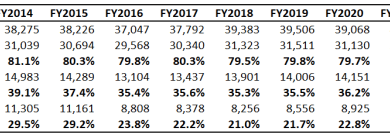
Amazon’s recent financial reports reveal a mixed bag. Revenue growth, while still substantial, has slowed compared to previous years. Profit margins have also experienced some contraction, indicating potential pressure points in the company’s cost structure. Expenses, particularly in areas like cloud computing and logistics, have continued to rise, reflecting the company’s substantial investments in infrastructure and expansion.
However, these expenses are often considered vital for long-term growth and market dominance.
Key Financial Metrics
Amazon’s financial performance is measured by several key metrics, including revenue, profit, and expenses. These metrics are crucial for understanding the company’s overall financial health and performance trends. Revenue, profit, and expense figures are publicly available and reported in Amazon’s quarterly and annual financial statements.
Comparison to Previous Performance
Comparing Amazon’s recent financial performance to its past results provides valuable context. Growth rates have demonstrably slowed, although the absolute figures remain significant. Profit margins have experienced fluctuations over time, but recent trends show a slight decrease, indicating potential challenges in managing costs.
Factors Contributing to Financial Results
Several factors contribute to Amazon’s financial performance. Competition from other major players in the e-commerce and cloud computing sectors, along with macroeconomic conditions like inflation and rising interest rates, have undeniably impacted the company’s revenue and profit margins. Furthermore, significant investments in new technologies and infrastructure have driven up operational expenses, but are likely crucial for future expansion and market dominance.
Financial Outlook
Amazon’s financial outlook is characterized by a cautious optimism. While the company faces challenges from market competition and economic uncertainties, its significant market share and diverse revenue streams suggest a resilience to external pressures. The company’s strategic investments in emerging technologies and its global reach position it to weather the economic storms and maintain its dominance in the future.
Amazon’s Revenue Growth (Past Five Years)
The table below illustrates Amazon’s revenue growth over the past five years. These figures are taken from publicly available reports and demonstrate the company’s substantial revenue generation.
| Year | Revenue (in billions USD) |
|---|---|
| 2018 | 232.9 |
| 2019 | 280.5 |
| 2020 | 386.1 |
| 2021 | 469.8 |
| 2022 | 513.7 |
Cost-Cutting Measures
Amazon’s recent financial performance has spurred speculation about potential cost-cutting measures. The company, known for its aggressive expansion and investments, is likely to reassess its spending to maintain profitability and competitiveness in a changing economic landscape. This analysis will delve into potential strategies, their rationale, and the impact on various facets of Amazon’s operations.Potential cost-cutting measures at Amazon are likely to focus on areas where efficiency gains can be achieved without significantly compromising customer experience.
This could involve optimizing logistics, renegotiating supplier contracts, and streamlining administrative processes. The pressure to reduce costs comes from the current macroeconomic climate, increasing competition, and the need to maintain a strong financial position.
Potential Cost-Cutting Strategies
Amazon’s cost-cutting initiatives could manifest in several ways. Optimizing fulfillment centers through automation and process improvements is a key area. This includes implementing more sophisticated robotics and AI-powered systems for tasks like inventory management and order processing. Further, renegotiating contracts with suppliers to secure better pricing and terms is another potential avenue.
Rationale Behind Cost-Cutting Measures
The rationale behind these measures is to improve profitability and maintain competitiveness. The current economic climate presents challenges, and cost reductions are essential for sustaining Amazon’s growth trajectory. By optimizing operations, Amazon aims to improve efficiency and reduce overhead costs, while still providing a seamless customer experience.
Impact on Different Aspects of Amazon’s Business
These cost-cutting strategies can have a multifaceted impact. Increased automation in fulfillment centers could lead to higher efficiency but potentially impact employment in certain roles. Renegotiating contracts with suppliers could affect pricing and potentially the quality of products. Amazon’s focus on cost-effectiveness will likely affect the company’s investment in research and development, potentially impacting innovation in the long run.
Comparison to Competitors’ Strategies
Amazon’s cost-cutting strategies will likely be compared to those of its major retail competitors, particularly Walmart and Target. These companies have their own cost-saving measures, and Amazon will need to carefully consider the effectiveness and potential trade-offs of different approaches. The comparison should consider how each strategy impacts customer service, pricing, and overall brand image.
Cost-Cutting Measures Comparison Table
| Factor | Amazon | Walmart | Target |
|---|---|---|---|
| Automation | High investment in robotics and AI for fulfillment | Increasing use of automation in stores and distribution | Focus on automation in logistics and some stores |
| Supplier Negotiation | Aggressive contract renegotiation for better pricing | Significant leverage in negotiating with suppliers | Active in negotiations for better pricing, but potentially less aggressive than Amazon |
| Personnel Reduction | Potential for workforce adjustments in some areas | History of restructuring and workforce adjustments | Likely to adjust workforce based on business needs |
| Inventory Management | Advanced forecasting and inventory optimization | Emphasis on inventory accuracy and efficient replenishment | Emphasis on optimized inventory levels and efficient store stocking |
Changes in Amazon’s Operations: Is Amazon Finally Tightening The Belt
Amazon’s recent financial performance reveals a company adapting to evolving market conditions. This adaptation extends beyond cost-cutting measures and encompasses significant changes in its operational structure. These changes are impacting everything from warehouse efficiency to customer experience, and understanding these shifts is crucial for assessing Amazon’s future trajectory.Amazon is likely reevaluating its operational strategies to enhance efficiency and reduce costs.
This involves a multifaceted approach, encompassing investments in automation, restructuring of its logistics network, and potential workforce adjustments. The effects of these changes on customer service and product delivery are complex and warrant careful consideration.
Operational Changes to Reduce Costs
Amazon’s operational adjustments are aimed at optimizing its supply chain and reducing overhead. This often involves re-evaluating and streamlining existing processes. Examples of such changes could include consolidating warehouses, adjusting staffing levels, and exploring new technologies for faster delivery. Implementing these changes might lead to both positive and negative outcomes for customers.
Examples of Operational Changes
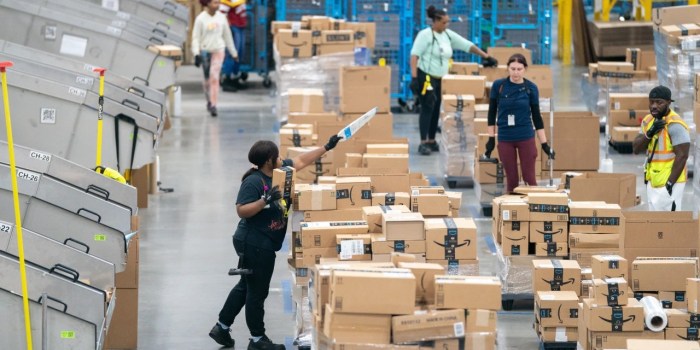
- Warehouse Restructuring: Amazon may be consolidating smaller warehouses into larger, more centralized facilities. This can streamline inventory management and reduce operational costs. However, this could lead to longer delivery times for customers in areas with fewer strategically placed facilities.
- Staff Reductions: To improve efficiency, Amazon might reduce staff in certain roles. This is a common cost-cutting strategy, but it can negatively affect customer service responsiveness, potentially impacting order fulfillment and returns processing. This could also cause increased workloads for remaining employees.
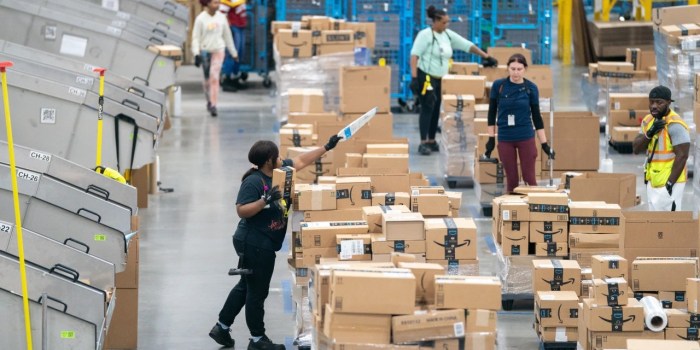
- Automation Investments: Amazon has historically been a leader in automation, and these investments are likely to continue or accelerate. This includes introducing more robots for tasks like picking, packing, and sorting. This will reduce labor costs and potentially increase delivery speed, though it might also necessitate retraining or job displacement for some staff.
Effects on Customer Service and Product Delivery
Changes in Amazon’s operations will have a profound effect on customer service and product delivery. While automation can increase efficiency and potentially reduce costs, it could also lead to delays in customer service responses. Additionally, consolidating warehouses might increase delivery times for certain customers, especially those far from the new, consolidated locations. Careful consideration must be given to maintaining high levels of customer satisfaction.
Is Amazon finally tightening the belt? Recent international regulations on online privacy protection, like those detailed in online privacy protection gets international rules , might just be a sign. These new rules could force Amazon to be more transparent and accountable about how it handles user data, potentially leading to more stringent internal policies and practices. This could be a crucial step towards greater consumer trust and responsible data handling in the online world, ultimately impacting Amazon’s practices.
Amazon’s Investments in Automation and Technology
Amazon has consistently invested heavily in automation, from its early adoption of robotics in warehouses to its development of sophisticated algorithms for inventory management. This commitment to technology is likely to continue, leading to further advancements in efficiency and cost reduction. The potential for AI-powered solutions and machine learning in logistics is significant.
Comparison of Amazon’s Logistics Network
| Aspect | Previous Logistics Network | Current (or Projected) Logistics Network |
|---|---|---|
| Warehouse Density | High density of smaller warehouses across various locations | Lower density of larger, more centralized warehouses |
| Delivery Speed | Variable depending on location and demand | Potentially faster delivery times in certain areas, but potentially slower in others due to centralized locations. |
| Labor Costs | High labor costs associated with managing a large number of facilities. | Potentially lower labor costs due to automation and potential staff reductions. |
| Customer Experience | Generally high customer satisfaction but potential for variations in delivery experience. | Potentially optimized delivery experience in some areas but potential for inconsistencies in others. |
Industry Trends and Economic Conditions
Amazon’s belt-tightening efforts are likely influenced by broader industry trends and economic realities. The current economic climate, characterized by inflation and potential recessionary pressures, forces companies to scrutinize expenses and optimize operations. These pressures are not unique to Amazon; other tech giants are also experiencing similar challenges. Understanding the broader context of industry trends and macroeconomic factors is crucial to interpreting Amazon’s actions.Amazon’s strategic choices are not isolated incidents but are a response to the intricate interplay of factors impacting the entire retail and technology sectors.
The company is navigating a dynamic environment where cost-effectiveness, operational efficiency, and adapting to changing consumer demands are paramount.
Broader Industry Trends
The e-commerce landscape is evolving rapidly. Increased competition from established players and new entrants, coupled with changing consumer preferences, necessitates continuous adaptation and innovation. The rise of direct-to-consumer (DTC) brands and the growing importance of omnichannel strategies are examples of such shifts. Amazon’s need to stay competitive requires constant reevaluation of its operational strategies and cost structures. This includes investments in areas like logistics, cloud computing, and data analytics to enhance its core offerings.
Economic Conditions and Inflationary Pressures, Is amazon finally tightening the belt
Economic conditions significantly impact a company’s profitability and operational decisions. Inflationary pressures, particularly concerning rising input costs, directly affect a company’s bottom line. Increased costs for raw materials, labor, and transportation lead to higher prices for consumers and reduced profit margins for businesses. This forces companies like Amazon to explore cost-saving measures to maintain competitiveness.
Macroeconomic Factors Affecting Amazon’s Profitability
Several macroeconomic factors influence Amazon’s profitability. Recessions or slowdowns in economic growth often reduce consumer spending, impacting sales across various industries. Interest rate hikes, which are a tool to combat inflation, can increase borrowing costs for companies, affecting investment decisions and operational efficiency. Fluctuations in currency exchange rates can affect the profitability of international operations. For example, a strengthening dollar can reduce the value of foreign revenue when converted back to the company’s home currency.
Comparison to Other Tech Companies
Amazon’s financial performance can be compared to that of other tech companies during similar economic conditions. Companies like Apple and Google, while not immune to economic headwinds, have demonstrated different approaches to cost management and revenue generation. Their respective strategies and responses to economic shifts provide valuable insights for analyzing Amazon’s actions. The comparison helps to understand the specific pressures Amazon faces and its unique approach to managing them.
Impact of Inflation on Amazon’s Operating Costs
| Inflationary Pressure | Impact on Amazon’s Operating Costs |
|---|---|
| Rising fuel prices | Increased transportation costs, affecting delivery times and prices. |
| Increased labor costs | Higher wages for warehouse employees and delivery drivers, impacting fulfillment and logistics costs. |
| Higher raw material costs | Increased costs for packaging materials, impacting product pricing. |
| Supply chain disruptions | Disruptions in the supply chain result in increased inventory costs and delays in product delivery. |
| Increased energy costs | Higher energy costs affect Amazon’s operations in fulfillment centers, impacting overall energy consumption. |
Potential Impacts on Customers and Employees
Amazon’s recent financial performance and subsequent cost-cutting measures have significant implications for both its customers and employees. These adjustments, while aimed at maintaining profitability and competitiveness, will likely ripple through various facets of the company’s operations, influencing everything from product offerings to employee compensation. Understanding these potential impacts is crucial for evaluating the long-term health and future trajectory of the e-commerce giant.
Amazon’s recent belt-tightening strategies are intriguing, but the question remains: are they truly sustainable? Could recent mergers have inadvertently opened doors for insider trading, potentially impacting long-term financial health? Check out this insightful article on have mergers sparked insider trading to explore the complexities of this potential connection. Ultimately, whether Amazon’s belt-tightening is a genuine long-term strategy or a reaction to internal pressures, remains to be seen.
Potential Effects on Customers
Amazon’s cost-cutting measures could lead to noticeable changes in the customer experience. Price increases on certain products and services are a likely consequence, potentially affecting affordability and competitiveness in the market. Reduced product selection or slower delivery speeds are also plausible outcomes, as Amazon may streamline its inventory and logistics operations. This could particularly impact customers reliant on specific product offerings or those accustomed to rapid delivery.
- Price Increases: A reduction in operational costs might be passed on to consumers through higher prices on existing products. This could make some items less accessible to budget-conscious customers, potentially driving them to alternative retailers.
- Reduced Product Selection: Amazon might choose to discontinue less profitable product lines or limit the variety of items available. This could impact niche markets or customers seeking specialized products.
- Slower Delivery Speeds: Cost-cutting measures could affect delivery times, particularly if Amazon reduces its fulfillment center network or optimizes its delivery routes to maximize efficiency and reduce costs. Customers relying on expedited shipping may experience delays or higher costs for expedited delivery options.
- Changes in Service Quality: Amazon might adjust customer service levels. This could range from reduced support hours to fewer customer service representatives, potentially affecting response times and overall customer satisfaction.
Impact on the Workforce
The company’s cost-cutting strategies could significantly affect its vast workforce. Layoffs, reduced hiring, and potential restructuring are all possibilities. These changes could lead to job losses, impacting the livelihoods of many employees and potentially causing instability in the broader job market.
- Layoffs and Reduced Hiring: Amazon may reduce its workforce through layoffs in specific departments or by reducing the pace of new hires. This can lead to job insecurity and economic hardship for impacted employees.
- Restructuring and Department Consolidation: Internal restructuring could result in departments being merged or eliminated, potentially causing redundancies and a shift in responsibilities for remaining employees.
- Compensation and Benefits: Cost-cutting measures might lead to reductions in employee compensation, including base salaries, bonuses, and benefits packages. This could create a negative impact on employee morale and retention.
Changes in Product Offerings or Services
Cost constraints could force Amazon to adjust its product offerings and services. This could involve the removal of certain product lines or the streamlining of product categories. Amazon may also shift its focus towards more profitable product segments, potentially impacting customers who rely on less popular products.
- Removal of Product Lines: Discontinuation of products that do not generate sufficient profit margins may be a consequence of cost-cutting. This will reduce the product catalog, affecting customers who depend on specific product lines.
- Streamlining of Product Categories: Amazon might consolidate similar products into fewer categories, simplifying its inventory and logistics. This could limit the variety of products available to customers.
- Emphasis on Profitable Product Segments: Amazon might focus more on its most profitable product categories. This could lead to reduced selection for less lucrative segments.
Potential Customer Reactions
| Customer Segment | Potential Reaction to Cost-Cutting Measures |
|---|---|
| Budget-conscious customers | Potential shift to alternative retailers offering lower prices. Increased sensitivity to price increases. |
| Frequent online shoppers | Potential dissatisfaction with reduced selection, slower delivery speeds, or service quality changes. Increased consideration of competitor offerings. |
| Customers reliant on specific products | Concern about product discontinuation. Increased search for alternatives. |
| Customers seeking expedited shipping | Potential dissatisfaction with slower delivery speeds or increased costs for expedited options. |
Analyzing Amazon’s Strategy
Amazon’s journey has been one of relentless innovation and expansion, evolving its strategy in response to market shifts and its own ambitions. This evolution is crucial to understanding its current performance and future potential. From its humble beginnings as an online bookstore, Amazon has transformed into a global e-commerce giant, venturing into cloud computing, streaming, and other diverse sectors.
Analyzing this evolution reveals valuable insights into the company’s approach to growth and its ability to adapt.
Overview of Amazon’s Overall Business Strategy
Amazon’s strategy is fundamentally customer-centric, prioritizing convenience, choice, and low prices. This is a cornerstone of its success. It aims to be the one-stop shop for consumers, offering a wide range of products and services across various categories. Its focus on logistics and delivery infrastructure has been critical in achieving this goal.
Key Elements of Amazon’s Current Business Strategy
Amazon’s current strategy incorporates several key elements:
- Expanding into new markets and verticals: Amazon continues to explore and invest in new areas, demonstrating a willingness to diversify its revenue streams and reach new customer segments. This includes everything from physical retail (with Whole Foods Market and Amazon Fresh) to its cloud computing dominance with AWS, and the growing entertainment sector. Examples include the launch of new devices, the expansion of Amazon Prime offerings, and the increasing focus on international markets.
- Strengthening its logistics and delivery network: Amazon recognizes the critical role of efficient logistics in its business model. This includes the development of sophisticated fulfillment centers, drone delivery programs, and partnerships with third-party logistics providers. Improved delivery speed and reliability are key to customer satisfaction and maintaining a competitive edge.
- Investing in technology and innovation: Amazon’s strategy emphasizes the development of cutting-edge technologies to enhance customer experience, streamline operations, and drive future growth. Examples range from AI-powered recommendations to sophisticated inventory management systems, and advancements in robotics. The continuous investment in technology is vital for adapting to changing consumer preferences and staying ahead of the curve.
Adjustments to Amazon’s Strategy
Recent financial pressures have led to some adjustments in Amazon’s strategy. These adjustments include a focus on cost-cutting measures, such as streamlining operations and optimizing expenses. The company is also reevaluating its growth trajectory in certain areas and focusing on profitability, particularly in its logistics and delivery network. This strategic shift highlights the importance of financial prudence in the face of economic headwinds.
Comparison to Previous Strategies
Amazon’s strategy has evolved significantly over the years. Initially focused on e-commerce, it has progressively expanded into new sectors. The early emphasis on aggressive market share growth has been tempered with a growing focus on profitability. The company’s initial approach prioritized rapid expansion and market penetration, often at the expense of immediate profitability. However, the recent adjustments reflect a more mature approach, balancing growth with financial sustainability.
Evolution of Amazon’s Business Strategy (Table)
| Year | Key Focus | Strategy Description |
|---|---|---|
| Early 2000s | Aggressive Growth | Focus on market share, rapid expansion, and low prices. |
| Mid 2010s | Diversification | Expansion into cloud computing (AWS), physical retail, and entertainment. |
| Late 2020s – Present | Profitability & Optimization | Focus on cost-cutting, operational efficiency, and strategic prioritization. |
Closing Summary
In conclusion, the evidence points to a possible belt-tightening strategy at Amazon. The company’s financial performance, coupled with the need to adapt to evolving economic conditions and industry trends, strongly suggests a proactive approach to cost management. This analysis has explored potential impacts on customers, employees, and the overall market. The question remains: will these adjustments lead to sustainable growth and profitability for Amazon in the long run?