

China com promotes ebays asian trading community – China.com promotes eBay’s Asian trading community, forging a powerful partnership that’s set to reshape online commerce in Asia. This collaboration brings together the established infrastructure of China.com, deeply rooted in the Asian market, with eBay’s global reach and established platform for online transactions. The synergy promises to provide Asian traders with a robust ecosystem, supporting both established and emerging businesses.
This partnership could significantly boost the growth of the Asian online trading community, fostering a thriving digital marketplace.
This analysis delves into the background, features, target audience, promotional strategies, challenges, and future outlook of this exciting collaboration. It examines the specific advantages and disadvantages for both platforms, considering the unique dynamics of the Asian online trading market.
Background of China.com and eBay’s Asian Trading Community
China.com, a prominent player in the online commerce landscape of Asia, has played a crucial role in connecting buyers and sellers across the region. Its evolution from a simple online marketplace to a multifaceted e-commerce platform reflects the changing dynamics of digital trade in Asia. eBay, a global giant in online auctions and marketplaces, has also established a significant presence in Asia, leveraging its established infrastructure and user base to cater to the region’s burgeoning e-commerce sector.
China.com’s promotion of eBay’s Asian trading community is a smart move, fostering connections and boosting commerce. This initiative is reminiscent of how a cyber coupon company is partnering with an offline giant, like in the example of cyber coupon company teams with offline giant , which shows a clever blend of online and offline strategies. Ultimately, China.com’s approach leverages these combined forces to strengthen the Asian trading landscape.
Understanding the historical trajectories of both platforms is key to comprehending their potential for fostering a robust and vibrant Asian trading community.The synergy between these two prominent players holds immense promise for creating a more interconnected and efficient trading ecosystem in Asia. Their combined strengths and resources could facilitate smoother transactions, reduce barriers to entry for businesses, and ultimately contribute to economic growth in the region.
History of China.com
China.com emerged as a key facilitator of online commerce in China and subsequently across Asia. Its early focus was on providing a platform for businesses to reach wider audiences. This initial emphasis evolved as the platform adapted to changing consumer preferences and market demands. China.com has successfully navigated the complexities of the Asian market, adjusting its strategies and offerings to accommodate local customs and practices.
eBay’s Presence in the Asian Market
eBay’s foray into the Asian market involved establishing regional hubs and adapting its platform to cater to diverse languages and payment systems prevalent in the region. Its focus on establishing trusted online marketplaces allowed it to connect buyers and sellers across Asia. This approach significantly contributed to the growth of online trading in various Asian countries.
Factors Driving the Growth of Online Trading Communities in Asia
The rise of online trading communities in Asia is fueled by a confluence of factors. The increasing availability of internet access, coupled with rising mobile phone penetration, has provided broader access to digital platforms for millions of people across the region. Growing disposable incomes and rising consumerism in several Asian countries further amplify the demand for online trading platforms.
Cultural shifts towards adopting online transactions also play a critical role in this trend. These factors collectively contribute to the substantial growth of online trading in Asia.
Potential Synergies Between China.com and eBay
The potential for collaboration between China.com and eBay lies in leveraging each other’s strengths. China.com’s deep understanding of the Chinese market and its extensive network could be invaluable for eBay to expand its reach and presence in China. Conversely, eBay’s established global infrastructure and experience in facilitating international transactions could enhance China.com’s international reach. Such a partnership could create a robust and comprehensive online trading platform for the entire Asian region.
China.com’s promotion of eBay’s Asian trading community is a smart move, fostering e-commerce growth. This aligns well with the recent news of AT&T sharing high-speed cable lines, potentially boosting internet infrastructure , which is crucial for the smooth functioning of global marketplaces like eBay’s Asian platform. Ultimately, China.com’s efforts support the expansion of Asian businesses through eBay’s established network.
The combined strengths of both companies can result in a more interconnected and streamlined online trading ecosystem.
Features and Benefits of the Community
Navigating the intricate world of Asian trade can be challenging, but dedicated platforms like China.com and eBay’s Asian trading community offer significant advantages. These platforms provide crucial tools and connections for businesses to thrive in the dynamic market. Understanding the unique features and benefits of each platform is key to maximizing success.The benefits extend beyond simple transactions. These platforms foster a sense of community, enabling traders to share experiences, learn from each other, and build lasting relationships.
This collaborative spirit is essential for navigating the complexities of international commerce.
Key Features of China.com for Asian Traders
China.com, as a platform focused on Chinese trade, presents specific features tailored to the needs of Asian traders. These features include a vast database of Chinese suppliers, comprehensive product listings, and reliable communication channels. This concentrated focus on Chinese suppliers provides a significant advantage to traders seeking to connect with manufacturers and distributors in the region. Crucially, the platform often offers specialized services, such as quality control and logistics support, streamlining the entire trade process.
- Extensive Supplier Database: China.com boasts an extensive database of verified Chinese suppliers, enabling seamless connection between buyers and sellers.
- Product Listings and Information: The platform offers detailed product listings, facilitating informed purchasing decisions and reducing potential risks.
- Secure Communication Channels: China.com provides secure communication channels, enabling effective and reliable communication between traders and suppliers.
- Logistics Support: China.com often provides logistics support, offering a streamlined and integrated approach to the shipping process.
Key Features of eBay’s Asian Trading Community
eBay’s platform, while not exclusively focused on China, provides a global marketplace with significant appeal to Asian traders. eBay’s strength lies in its established infrastructure and vast user base. This large, diverse marketplace exposes products and services to a global audience, a crucial factor for reaching a broad customer base. eBay’s auction system and buyer protection programs contribute to a secure and transparent trading environment.
China.com’s promotion of eBay’s Asian trading community is a smart move, fostering connections and potentially boosting cross-border commerce. This mirrors the growing trend of online marketplaces, and reminds me of how Priceline, the travel giant, is getting ready to challenge online grocers with their own innovative platform. Priceline to challenge online grocers is a fascinating example of a company venturing into uncharted territory.
Ultimately, China.com’s strategy is likely to further solidify eBay’s position in the Asian market.
- Global Reach and Diverse Audience: eBay’s vast global user base presents an opportunity for Asian traders to connect with a diverse customer base, increasing potential sales and market penetration.
- Established Infrastructure and User Base: eBay’s established platform and user base provide a significant advantage, offering established systems and trust among users.
- Auction System and Buyer Protection: eBay’s auction system allows for competitive pricing and buyer protection programs mitigate potential risks for both buyers and sellers.
- Wide Range of Products: eBay’s extensive product listings cater to a wide range of needs, allowing Asian traders to offer various products and services to a global market.
Comparing China.com and eBay
While both platforms cater to Asian traders, their strengths and weaknesses differ. China.com excels in direct connections with Chinese suppliers, providing a concentrated market for businesses seeking to source from China. Conversely, eBay offers a broader global marketplace, facilitating sales to a wider audience, although the focus on Chinese suppliers is less pronounced.
| Feature | China.com | eBay |
|---|---|---|
| Primary Focus | Chinese Suppliers | Global Marketplace |
| Target Audience | Businesses sourcing from China | Businesses selling to global customers |
| Strengths | Specialized support, logistics, verified suppliers | Established platform, global reach, buyer protection |
| Weaknesses | Limited global reach, may require intermediary steps for non-Chinese customers | Less direct support for sourcing, may have higher competition |
Target Audience and Market Trends
The Asian online trading community on platforms like China.com and eBay is a vibrant ecosystem, driven by a confluence of factors including strong entrepreneurial spirit, a rapidly expanding digital economy, and a growing middle class. Understanding the target audience and market trends is crucial for businesses looking to succeed in this dynamic environment. This section will delve into the key demographics, current market trends, successful businesses, and prevalent product/service offerings within this online trading community.
Key Demographics of the Asian Trading Community
The Asian trading community is diverse, encompassing a wide range of individuals and businesses. It’s not a monolithic entity. Factors like location, age, and specific industry interests significantly shape individual participation. For example, younger generations are increasingly active in online marketplaces, showcasing a shift in the traditional business models of their parents and grandparents.
- Location-Specific Interests: Traders in Southeast Asia might focus on products relevant to their local markets, like agricultural goods or specific consumer electronics. Meanwhile, those in China might be involved in manufacturing and exporting of goods.
- Age and Experience: A range of ages participate, from seasoned entrepreneurs to young individuals just starting their online ventures. This spectrum of experience creates a dynamic environment, where established businesses often mentor and collaborate with newcomers.
- Product Specialization: Some individuals and businesses focus on particular product categories, like fashion accessories, electronics, or handmade crafts. This specialization fosters niche markets and allows for targeted marketing strategies.
Current Market Trends Affecting Online Trading in Asia
Several significant trends are impacting online trading in Asia. The rise of e-commerce, the increasing use of mobile devices, and the growth of cross-border trade are just a few examples.
- Rise of Mobile Commerce: The increasing prevalence of smartphones and mobile internet access has fueled the growth of mobile commerce in Asia. Many online traders utilize mobile apps for inventory management, customer communication, and order fulfillment. This trend is expected to continue, making mobile optimization a crucial aspect of online strategies.
- Cross-Border Trade Expansion: Asian online trading communities facilitate cross-border trade, connecting buyers and sellers across geographical boundaries. This expansion creates new opportunities for businesses to reach global markets and for consumers to access a wider range of products. China’s role in this cross-border trade is significant.
- Focus on Sustainability and Ethical Sourcing: Consumers in Asia are increasingly aware of environmental and social issues. Businesses are responding to this trend by emphasizing sustainable practices, ethical sourcing, and transparency in their operations. This trend is driving a market for eco-friendly products and services.
Successful Businesses Within the Asian Online Trading Community
Several businesses have achieved significant success within the Asian online trading community, showcasing the potential for entrepreneurship and growth.
- Example 1: A Chinese company specializing in exporting high-quality consumer electronics to the European market has utilized China.com and eBay to expand its reach. Their success demonstrates the potential for cross-border trade facilitated by online platforms.
- Example 2: A startup based in Southeast Asia, focused on selling handmade crafts through eBay, has cultivated a loyal customer base through social media marketing and high-quality product photography. This demonstrates the power of niche marketing and strong branding in the online space.
Products and Services Prevalent in the Asian Online Trading Community
The Asian online trading community features a diverse range of products and services.
- Consumer Electronics: A wide array of electronics, including smartphones, laptops, and accessories, are frequently traded.
- Fashion Accessories: From jewelry to clothing, a significant volume of fashion accessories is exchanged online.
- Handmade Crafts: The unique cultural heritage of Asia is reflected in the widespread trading of handcrafted goods like pottery, textiles, and jewelry.
Promotional Strategies and Marketing Efforts
Attracting and retaining Asian traders requires a multifaceted approach. China.com and eBay, both significant players in the Asian online trading landscape, utilize distinct promotional strategies tailored to their respective strengths and target audiences. Understanding these strategies is crucial for evaluating the potential for collaborative marketing initiatives and maximizing the community’s growth.
China.com’s Promotional Strategies
China.com, deeply rooted in the Chinese market, leverages a combination of online and offline channels to connect with Asian traders. Their promotional strategies often emphasize building trust and community within their platform. This includes showcasing success stories of Chinese traders, providing comprehensive resources, and hosting online forums and webinars. They may also leverage partnerships with industry influencers and organizations to reach a wider audience.
Furthermore, China.com likely focuses on localized marketing campaigns to resonate with different Asian markets, including tailored promotions and content in various languages.
eBay’s Marketing Strategies for Asian Traders
eBay, a global platform, utilizes a more diversified approach, targeting Asian traders through a combination of localized content, multilingual support, and targeted advertising. Their strategies likely encompass highlighting the platform’s global reach and secure transaction mechanisms. eBay likely utilizes data analytics to understand the specific needs and preferences of Asian traders, enabling personalized recommendations and tailored promotions. Furthermore, partnerships with local payment gateways and logistics providers in Asia are crucial for enhancing the trading experience.
Potential for Collaborative Marketing Initiatives
A synergistic approach between China.com and eBay could significantly expand their reach and influence in the Asian trading community. This collaboration could involve cross-promotion on each other’s platforms, joint webinars, and co-branded marketing campaigns. For example, China.com could leverage eBay’s global network to introduce their platform to a wider Asian audience, while eBay could benefit from China.com’s deep understanding of the Chinese market and the trust it has built there.
Such initiatives would need to consider the nuances of each platform’s user base and messaging to be successful.
Comparison of Promotional Strategies
| Feature | China.com | eBay |
|---|---|---|
| Target Audience | Primarily Chinese and Asian traders | Global, with a strong focus on Asia |
| Platform Focus | Community building, localized content | Global reach, secure transactions |
| Promotional Channels | Online forums, webinars, partnerships with influencers | Targeted advertising, localized content, multilingual support |
| Key Strengths | Strong presence in the Chinese market, deep understanding of Asian business practices | Established global presence, secure transaction system, diversified product offerings |
| Potential for Collaboration | Leverage eBay’s global reach to expand their market | Benefit from China.com’s market insights and trust |
Challenges and Opportunities
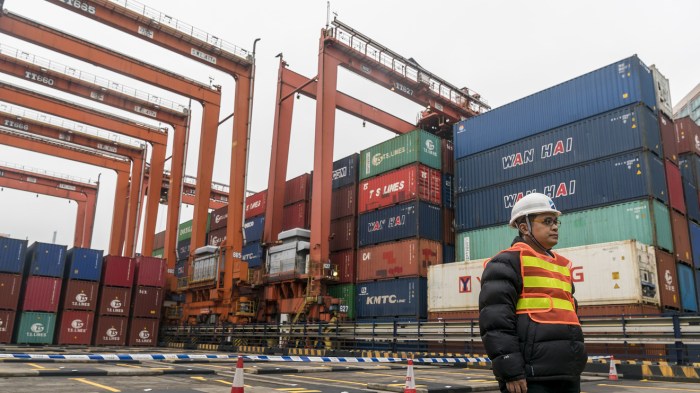
Navigating the complexities of online trade in Asia presents both significant hurdles and lucrative prospects. The region’s vibrant e-commerce landscape is intertwined with unique cultural nuances, regulatory frameworks, and logistical considerations. Understanding these elements is crucial for successful participation in the Asian trading community, whether for established businesses or aspiring entrepreneurs.The Asian online trading community is experiencing rapid growth, driven by increasing internet penetration and a rising middle class.
However, challenges remain, ranging from cross-border payment issues to varying levels of trust and security. Overcoming these challenges is essential for fostering a thriving and sustainable ecosystem.
Key Challenges Faced by Online Traders in Asia
The online trading landscape in Asia, while promising, is fraught with specific challenges. These challenges require tailored solutions to ensure equitable and successful participation for all members.
- Cross-border payment complexities: Varying payment systems, currency fluctuations, and transaction fees can significantly impact profitability and operational efficiency for online traders. For instance, the diverse range of mobile payment methods in Southeast Asia can present challenges for international merchants unfamiliar with these systems. These complexities often translate to higher transaction costs and processing times.
- Varying regulatory environments: Different countries in Asia have unique regulations governing online trade, e-commerce platforms, and data privacy. Navigating these variations requires a deep understanding of each jurisdiction’s laws, potentially leading to substantial legal costs and operational hurdles for traders.
- Trust and security concerns: Building trust among buyers and sellers is essential for online trading success. Issues like counterfeit products, fraudulent activities, and disputes over delivery can negatively impact reputation and hinder growth. Furthermore, lack of consumer protection in some regions can further complicate matters.
- Logistical hurdles: Shipping and delivery can be challenging, particularly for cross-border transactions. This includes varying infrastructure quality, customs procedures, and potential delays or losses during transit. This challenge often necessitates the development of specialized logistics solutions and robust partnerships with local carriers.
Opportunities for Growth and Expansion
The Asian online trading community offers substantial opportunities for growth and expansion. Understanding these opportunities can be key to developing successful strategies for market entry and expansion.
- Expansion of e-commerce infrastructure: The ongoing development of robust e-commerce infrastructure across Asia creates a supportive environment for online traders. This includes improvements in logistics networks, payment systems, and digital payment methods, which facilitates easier and more secure transactions.
- Rise of digital payment systems: The increasing adoption of digital payment methods in the region streamlines transactions, reduces fraud risks, and improves the overall user experience. This trend is particularly pronounced in regions with strong mobile penetration.
- Growth of the middle class: The rising middle class in Asia presents a massive market for online goods and services. This growing consumer base translates into increased demand for diverse products, fostering opportunities for traders in various sectors.
- Focus on niche markets: Identifying and catering to specific niche markets within Asia can yield high returns. This could involve catering to specific cultural preferences, product needs, or demographics. This requires extensive market research and a deep understanding of local consumer behavior.
Potential Impact of Regulatory Changes on Online Trading
Regulatory changes in Asia will significantly influence the online trading environment. These changes are likely to reshape business models, requiring adaptation and foresight.
- Data privacy regulations: Increasingly stringent data privacy regulations in several Asian countries can affect how online businesses collect, store, and use customer data. Businesses will need to ensure compliance with these regulations to avoid penalties and maintain customer trust.
- E-commerce platform regulations: Growing regulations around e-commerce platforms may mandate greater responsibility for platform operators in ensuring seller authenticity and product safety. This will influence the selection criteria for vendors and the need for robust verification processes.
- Cross-border trade regulations: Changes in cross-border trade regulations can affect import/export procedures, tariffs, and documentation requirements. These adjustments will demand greater flexibility and proactive planning from online traders.
Potential Solutions to Overcome Challenges
Several solutions can help online traders overcome challenges and capitalize on opportunities. These solutions address various aspects of the online trading ecosystem in Asia.
- Collaboration and partnerships: Collaborating with local businesses and logistics providers can help navigate complexities in cross-border trade and delivery. Building relationships with established players in each market can significantly enhance operational efficiency.
- Investment in technology: Investing in secure payment gateways, robust logistics systems, and advanced fraud detection tools can mitigate risks and improve efficiency. This includes adapting to local payment preferences and regulatory requirements.
- Emphasis on trust and transparency: Prioritizing trust and transparency by implementing clear return policies, reliable customer service, and secure transaction platforms can cultivate customer confidence. This involves clearly showcasing seller ratings and verification processes.
Future Outlook and Predictions

The Asian online trading community is poised for explosive growth, driven by a confluence of factors including rising internet penetration, increasing disposable income, and the proliferation of mobile commerce. This burgeoning market presents exciting opportunities for both established players like eBay and emerging startups, but also necessitates a keen understanding of evolving consumer preferences and technological advancements.This section delves into the projected trajectory of this dynamic market, highlighting the crucial role of technology in shaping its future, and identifying potential disruptions that could reshape the landscape.
Projected Growth Trajectory
The Asian online trading community is expected to experience substantial growth over the next five years. Factors like the increasing digital literacy of younger generations and the rise of cross-border e-commerce are driving this expansion. Similar to how social media platforms have grown exponentially in the past decade, the online trading community will likely continue to gain traction and attract new users.
Role of Technology in Shaping the Future, China com promotes ebays asian trading community
Technology will be instrumental in shaping the future of online trading in Asia. Mobile-first experiences, AI-powered chatbots for customer service, and blockchain solutions for secure transactions will all play significant roles. The rise of virtual reality (VR) and augmented reality (AR) could potentially revolutionize the way consumers experience and interact with products before purchasing them, creating a more immersive and engaging online marketplace.
This is analogous to the rise of interactive online games, where users can virtually explore products before buying them.
Potential Disruptive Technologies
Several technologies could potentially disrupt the Asian online trading community. The increasing sophistication of AI and machine learning could lead to the development of automated trading platforms, impacting the role of human intermediaries. The use of big data analytics can personalize user experiences, enhance customer service, and optimize product recommendations. Cryptocurrency, while still evolving, has the potential to transform payment systems and introduce new avenues for trading, similar to how the introduction of credit cards revolutionized the payment landscape.
Visual Representation of Projected Growth
| Year | Projected Users (Millions) |
|---|---|
| 2023 | 150 |
| 2024 | 200 |
| 2025 | 250 |
| 2026 | 300 |
| 2027 | 350 |
Note: This table represents a projection, and actual figures may vary.
The projected growth is based on several assumptions, including continued internet adoption, rising disposable incomes, and the expansion of e-commerce infrastructure in Asia. This data assumes a positive economic environment and sustained technological advancements.
Final Summary: China Com Promotes Ebays Asian Trading Community
The partnership between China.com and eBay for the Asian trading community presents a compelling opportunity for growth and innovation. By leveraging the strengths of both platforms, they can overcome the challenges faced by online traders in Asia and tap into the immense potential of the market. The future of this community hinges on their ability to adapt to evolving market trends and regulations, ultimately creating a dynamic and inclusive digital marketplace.