

Auto dealers remain in e commerce loop despite fears – Auto dealers remain in the e-commerce loop despite fears, showcasing a resilience that’s surprising. They’re actively adapting their online strategies to meet evolving consumer preferences, despite challenges like security concerns and complex financing processes. This article delves into the strategies, obstacles, and future trends driving this continued e-commerce engagement.
From detailed descriptions of current online strategies and examples of successful e-commerce platforms, to the hurdles faced in online transactions and financing, this piece explores the entire spectrum of this dynamic sector. We’ll examine the impact of fears, innovative marketing approaches, and the crucial role of customer experience in navigating this evolving landscape. Future trends and projected market growth will also be explored, offering insights into the long-term trajectory of online car sales.
E-commerce Strategies of Auto Dealers
The automotive industry is undergoing a significant digital transformation, with online sales and service becoming increasingly crucial. Auto dealerships are now realizing the importance of robust e-commerce strategies to adapt to evolving consumer expectations and maintain competitiveness. Consumers are researching, comparing, and even purchasing vehicles online, demanding seamless digital experiences.This shift necessitates that auto dealerships embrace sophisticated e-commerce platforms and adapt their strategies to meet the changing needs of the modern automotive customer.
This includes providing detailed online vehicle information, facilitating virtual test drives, and offering secure online payment options. Ultimately, the goal is to create a convenient, informative, and trustworthy online experience that mirrors or even surpasses the in-person experience.
Current E-commerce Strategies
Auto dealerships are employing a multifaceted approach to e-commerce. This includes dedicated websites with detailed vehicle listings, high-quality images, and interactive features. Virtual tours, 360-degree views, and augmented reality (AR) experiences are becoming increasingly common, allowing potential buyers to explore vehicles from the comfort of their homes. These platforms also often integrate with online financing and insurance options to streamline the entire purchase process.
Many dealers are also leveraging social media marketing to reach potential customers and generate leads.
Examples of Successful E-commerce Platforms
Numerous auto dealerships are seeing success with various e-commerce platforms. One prominent example is the use of dedicated online ordering systems for parts and service appointments. This allows customers to schedule service visits, order parts, and even receive updates on their orders directly online. Another example is the integration of online financing options that allow customers to pre-qualify for loans or explore different financing options from the comfort of their homes.
Adapting to Changing Consumer Preferences
Consumer expectations are constantly evolving, and auto dealerships must adapt their strategies accordingly. Mobile-first design is critical, ensuring a seamless experience on smartphones and tablets. Real-time inventory updates and the ability to customize online experiences are also important. Furthermore, dealers are increasingly incorporating AI-powered chatbots to provide instant support and answer customer queries. This demonstrates an understanding that the modern buyer is highly informed and demands quick access to accurate and pertinent information.
Key Features of Online Platforms for Car Sales and Service
Effective online platforms for car sales and service encompass several key features. Detailed vehicle specifications, high-quality images and videos, virtual test drives, and 360-degree views are essential. Integrated financing options, secure online payment gateways, and customer relationship management (CRM) systems are also vital for a seamless transaction. Real-time inventory updates, personalized recommendations, and online service scheduling further enhance the customer experience.
Comparison of E-commerce Platforms
| Platform | Strengths | Weaknesses |
|---|---|---|
| XYZ Auto Sales Platform | User-friendly interface, robust inventory management, excellent integration with financing partners. | Can be expensive to implement, limited customization options. |
| ABC Car Dealership Software | Highly customizable, comprehensive features for service scheduling and parts ordering, strong CRM integration. | Steeper learning curve for users, potentially higher initial setup costs. |
| Generic Online Sales Portal | Affordable, relatively easy to set up, provides basic features. | Limited functionality compared to specialized platforms, may not offer advanced features like virtual test drives. |
Challenges Faced by Auto Dealers in E-commerce: Auto Dealers Remain In E Commerce Loop Despite Fears
The automotive industry is rapidly embracing e-commerce, but auto dealers face unique obstacles in this transition. While online platforms offer potential for wider reach and increased sales, navigating the intricacies of online transactions, financing, and delivery presents significant challenges that require careful consideration. Successfully integrating e-commerce strategies into their business models demands a deep understanding of these hurdles.The shift to online sales for automobiles necessitates a fundamental change in traditional sales approaches.
Auto dealers need to adapt their business processes, customer service strategies, and technological infrastructure to ensure a seamless and trustworthy online experience. This includes adapting to the evolving expectations of customers in the digital age, offering virtual test drives and detailed online descriptions, and streamlining the online financing and delivery processes.
Obstacles in Online Car Transactions
The process of selling a car online differs significantly from selling other products. Customers often require a more hands-on approach, necessitating the development of innovative ways to showcase vehicles, address concerns about condition, and provide a trustworthy buying experience. The complexities of financing and delivery further complicate the online sales process, requiring robust partnerships and streamlined logistics.
Importance of Trust and Transparency
Trust is paramount in online car sales. Potential buyers need assurance about the vehicle’s condition, history, and authenticity. Transparency in disclosing all aspects of the vehicle, including any imperfections or previous damage, is crucial. Building trust involves clear communication, detailed descriptions, and high-quality images and videos of the vehicle.
Difficulties in Online Financing
Securing financing online can be challenging for auto dealers. Integrating with multiple lenders, managing different loan applications, and ensuring compliance with lending regulations require robust technology and expertise. Auto dealers must also consider the security and privacy of customer financial information, ensuring compliance with industry standards and regulations. The process needs to be simple and intuitive for the customer.
Difficulties in Online Delivery
Delivering a car purchased online presents logistical hurdles. Dealers need to ensure the safe and timely transport of the vehicle, coordinate with shipping companies, and handle any potential issues during transit. They must also consider the customer’s expectations regarding the delivery process, including the timeframe and communication throughout the process.
Comparison of Offline vs. Online Sales Procedures
| Feature | Offline Sales | Online Sales |
|---|---|---|
| Vehicle Viewing | In-person inspection | Virtual tours, high-quality images/videos |
| Financing | In-person loan applications | Online loan applications, integration with lenders |
| Negotiation | Face-to-face discussions | Online communication, email exchanges, video calls |
| Delivery | Direct delivery from dealership | Coordination with shipping companies, potential third-party delivery |
| Customer Service | In-person assistance | Online support, FAQs, live chat |
Impact of Fears on E-commerce Strategies
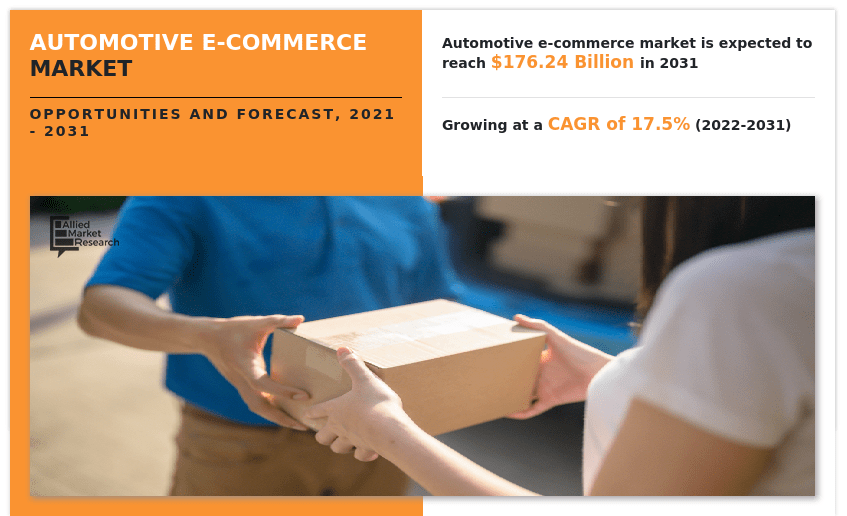
Auto dealers are navigating a complex landscape as they integrate e-commerce into their operations. While the shift toward online sales is undeniable, significant fears surrounding this transition are impacting the strategies dealerships employ. These concerns range from security and fraud to ensuring a positive customer experience, and dealers are actively working to address them.E-commerce adoption in the automotive industry is often met with hesitation due to the high value and sensitive nature of transactions.
Dealerships are increasingly recognizing the necessity of robust online strategies to allay these concerns and foster trust with customers. This necessitates proactive measures to secure transactions, build customer confidence, and streamline the entire online experience.
Security Concerns in Online Auto Sales
Security is paramount in online transactions, particularly for high-value items like automobiles. Dealers are implementing multiple layers of security to protect customer data and prevent fraud. These measures include advanced encryption protocols, secure payment gateways, and rigorous background checks for online buyers. Furthermore, dealers are increasingly leveraging two-factor authentication and other multi-layered security measures to fortify online platforms.
Auto dealers, surprisingly, are staying in the e-commerce game, even with some apprehension. It’s a bit like seeing online brokerage assets soaring to 3 trillion despite poor service, online brokerage assets soaring to 3 trillion despite poor service. Perhaps the persistent demand for online car-buying outweighs the worries, highlighting the resilience of digital sales in the automotive industry.
Addressing Fraudulent Activities, Auto dealers remain in e commerce loop despite fears
Fraudulent activities represent a significant concern in online auto sales. To combat this, dealers are investing in sophisticated fraud detection systems, employing techniques such as analyzing buyer patterns, comparing information from various sources, and implementing automated flagging systems. They are also collaborating with financial institutions to identify and prevent potentially fraudulent transactions. Some dealerships are even employing advanced AI to help detect and prevent fraudulent activities in real-time.
Ensuring Positive Customer Experience
A key concern is ensuring a positive customer experience during online transactions. Dealerships are addressing this by providing detailed online information about vehicles, including high-quality photos, videos, and comprehensive specifications. They are also employing virtual tours and 360-degree views to offer customers a more immersive experience. Additionally, live chat and video conferencing options are becoming increasingly popular to facilitate customer interaction and answer questions in real-time.
Building Customer Confidence
Building customer confidence in online transactions is crucial for success. Dealerships are actively implementing strategies such as offering detailed descriptions and high-quality images and videos, providing transparent pricing and financing options, and including testimonials and reviews from previous online buyers. Many dealerships are also providing detailed, comprehensive warranty information on their websites to help alleviate concerns.
The Role of Customer Service in Mitigating Fears
Customer service plays a critical role in mitigating concerns and building trust. Dealers are expanding their customer service offerings to include readily available online support channels like live chat, email, and phone support. They are also providing clear and concise return policies and easy-to-understand cancellation procedures. This proactive approach ensures that customers feel supported throughout the entire online purchasing process.
Benefits and Risks of Online Auto Sales
| Aspect | Benefits | Risks |
|---|---|---|
| Customer Experience | Enhanced convenience, wider selection, 24/7 accessibility | Potential for miscommunication, difficulty visualizing the vehicle, lack of personal interaction |
| Transaction Security | Advanced security measures, secure payment gateways, fraud detection | Risk of fraud, potential data breaches, complexity of online security protocols |
| Operational Efficiency | Reduced overhead costs, streamlined processes, improved inventory management | Challenges in handling complex financing options, difficulties with inspections and test drives, potential for operational disruptions |
| Market Reach | Increased visibility and accessibility, global reach | Competition from other online retailers, difficulty in building local brand presence, adaptation to diverse market segments |
Future Trends in E-commerce for Auto Dealers
The automotive industry is undergoing a rapid digital transformation, with e-commerce playing an increasingly vital role in connecting dealers with customers. This evolution is driven by consumer demand for convenient online experiences and the need for dealers to adapt to maintain competitiveness. The future of online auto sales and service is poised to be significantly shaped by emerging technologies and evolving customer expectations.The projected developments in online auto sales and service are not merely incremental improvements but fundamental shifts in how customers interact with dealerships.
From virtual test drives to personalized financing options, the future promises a seamless and intuitive online experience that mirrors the convenience of other online marketplaces. This evolution requires dealers to embrace innovative strategies to meet evolving customer needs and maintain a strong market presence.
Projected Developments in Online Auto Sales and Service
The future of online auto sales and service is characterized by a significant increase in digital interactions. Customers will increasingly utilize virtual tools for research, exploration, and engagement, leading to a shift in the traditional sales funnel. This includes virtual test drives, 360-degree vehicle views, and interactive configurators. Dealerships are expected to offer extensive online resources for vehicle maintenance and repair, including scheduling service appointments and accessing repair manuals online.
Integration with existing customer relationship management (CRM) systems will be crucial for maintaining detailed customer profiles and providing personalized service.
Potential of Emerging Technologies
Emerging technologies, such as augmented reality (AR) and virtual reality (VR), are poised to revolutionize the online automotive experience. AR apps could allow potential buyers to visualize vehicles in their own garages or driveways, enhancing the perception of ownership. VR technology will enable more immersive virtual test drives, potentially leading to increased customer engagement and confidence in online purchases.
The use of AI and machine learning will likely personalize vehicle recommendations, streamline the financing process, and offer predictive maintenance solutions.
Auto dealers, surprisingly, are sticking with e-commerce despite initial worries. It seems the market is proving them right, as evidenced by the recent success of online car sales. Interestingly, this resilience mirrors the opportunistic moves in the tech world, like Yahoo capitalizing on eBay’s recent outage. Yahoo cashes in on eBay’s outage shows how companies can thrive in unexpected circumstances.
This ultimately reinforces the enduring power of e-commerce in the automotive sector, even with those initial fears.
Potential Partnerships and Collaborations
Strategic partnerships will become essential for dealers to expand their online presence and access new markets. Collaborations with fintech companies will enhance financing options, while partnerships with logistics providers can streamline delivery processes. Dealerships might also partner with automotive-focused marketplaces to increase their reach and exposure. Such collaborations will allow dealers to leverage the expertise of other companies, potentially accelerating their e-commerce development and expansion.
Importance of Mobile-First Design
Mobile-first design is no longer an option but a necessity in today’s market. The majority of consumers conduct research and make purchasing decisions on their mobile devices. Dealerships need to ensure their websites and applications are optimized for mobile viewing, providing a seamless and intuitive experience across all devices. This includes responsive layouts, easy navigation, and quick loading times.
Innovative Approaches Impacting the Industry
Innovative approaches are reshaping the online automotive landscape. Many dealerships are incorporating live chat support on their websites to answer customer questions in real-time. Others are offering personalized vehicle recommendations based on customer data and preferences. This shift is leading to a more customer-centric approach, creating a more engaging and efficient online experience. This includes interactive tools and features, such as online financing calculators and vehicle history reports.
Projected Market Growth of E-commerce for Auto Dealers (Next 5 Years)
| Year | Projected Market Growth (%) | Description |
|---|---|---|
| 2024 | 15% | Continued rapid growth driven by consumer demand and technological advancements. |
| 2025 | 18% | Increased adoption of AR/VR technologies, personalized recommendations, and streamlined online processes. |
| 2026 | 20% | Expansion of partnerships, enhanced mobile-first design, and widespread integration of AI-driven tools. |
| 2027 | 22% | Maturation of online sales and service channels, increased focus on customer experience, and emergence of new innovative technologies. |
| 2028 | 25% | Continued growth fueled by further refinement of online processes, wider adoption of emerging technologies, and integration of online and offline experiences. |
Customer Experience in Online Auto Transactions

The online auto sales market is booming, but success hinges on delivering a positive customer experience. A seamless online journey, from initial browsing to final purchase, is critical for attracting and retaining customers in this competitive landscape. Ignoring the customer experience risks losing sales and damaging brand reputation.Building trust and loyalty through a positive online experience is paramount.
Auto dealers are bucking the trend, staying firmly in the e-commerce loop despite anxieties. It’s clear that while other sectors might be shifting, the need for digital storefronts remains vital for these businesses. This holds true even as the popularity of computers continues to dominate online sales, as seen in the recent data about computers still top e item.
Ultimately, the adaptability of auto dealers in the digital realm speaks volumes about their resilience and the enduring power of online retail in the industry.
This involves more than just showcasing vehicles; it necessitates understanding and addressing customer needs at every stage of the online transaction process. A strong online presence must effectively communicate value, provide transparency, and offer a supportive and engaging experience.
Importance of a Positive Customer Experience
A positive customer experience in online auto sales is crucial for several reasons. Firstly, it fosters trust and encourages repeat business. Happy customers are more likely to recommend the dealership to friends and family, driving organic growth. Secondly, a seamless online experience translates into higher conversion rates. Customers who feel guided and supported throughout the process are more likely to complete a purchase.
Finally, a positive online experience minimizes customer complaints and returns, ultimately leading to cost savings for the dealership.
Creating a Smooth and Engaging Online Shopping Journey
A smooth online shopping journey begins with a user-friendly website. Clear navigation, high-quality images, and detailed vehicle descriptions are essential. Implementing a robust search function allows customers to quickly find the vehicle they’re looking for. Allowing customers to virtually tour the vehicle, view its features, and request additional information enhances engagement. Live chat and video calls can further improve the experience by providing real-time support and addressing customer questions promptly.
Stages of the Online Purchase Process and Optimization
The online purchase process involves several stages, each of which can be optimized for a positive experience. Initial browsing involves intuitive search tools and appealing visuals. The next stage is detailed vehicle information and financing options, including clear explanations of interest rates and terms. The negotiation stage can be facilitated by online tools for price comparisons and offers.
Finally, the closing stage should involve secure online payment options and clear documentation, making the process transparent and efficient.
Innovative Customer Service Approaches
Innovative customer service approaches can significantly enhance the online auto transaction experience. Implementing live chat functionality allows for immediate responses to customer inquiries. Offering video consultations enables personalized support and addresses specific customer needs. Utilizing AI-powered chatbots can provide instant responses to frequently asked questions, freeing up human agents for more complex issues. Personalized email sequences can maintain communication throughout the process, keeping customers informed and engaged.
Maintaining Trust and Building Customer Loyalty
Trust and loyalty are built through transparency and consistency. Clear and honest communication about pricing, financing options, and the overall process is vital. Ensuring accurate vehicle descriptions and high-quality images builds trust in the dealership’s integrity. Following up with customers after the sale, addressing their feedback, and offering ongoing support strengthens relationships and promotes customer loyalty.
Key Elements of a Positive Customer Experience in Online Auto Sales
| Element | Description |
|---|---|
| User-Friendly Website | Intuitive navigation, high-quality images, detailed descriptions, robust search function. |
| Detailed Vehicle Information | Comprehensive information, virtual tours, feature breakdowns, and additional specifications. |
| Transparent Financing Options | Clear explanations of interest rates, terms, and fees, providing multiple financing options. |
| Customer Support Channels | Live chat, video consultations, email support, and AI-powered chatbots. |
| Secure Online Transactions | Safe payment gateways, clear documentation, and secure data handling. |
| Post-Sale Communication | Follow-up emails, feedback requests, and ongoing support to foster loyalty. |
Marketing Strategies in Online Auto Sales
Attracting customers online for auto sales requires a multifaceted approach that leverages the digital landscape effectively. This involves more than just listing vehicles online; it’s about crafting a compelling online presence that resonates with potential buyers, fosters trust, and drives conversions. Modern marketing strategies must consider the unique needs and preferences of online shoppers.Effective online marketing for auto dealerships hinges on understanding the buyer journey.
From initial awareness to final purchase, each stage necessitates tailored messaging and engagement tactics. A holistic strategy, encompassing various online channels, is crucial for capturing and converting leads into customers.
Effective Marketing Strategies for Attracting Customers Online
Building a strong online presence is paramount for attracting customers. This involves creating engaging content that showcases vehicles, providing detailed information, and offering a seamless online experience. A well-designed website is essential, facilitating easy navigation and showcasing high-quality images and videos of the inventory.
Best Practices for Online Advertising and Promotions
Targeted online advertising is key to reaching the right audience. Employing platforms like Google Ads and social media advertising allows for precise targeting based on demographics, interests, and online behavior. Clear and concise ad copy that highlights key vehicle features and benefits is essential. Promotions, such as financing options, special offers, or bundled services, can significantly incentivize purchases.
For example, a limited-time discount on selected models or a special financing rate can attract potential buyers.
Use of Social Media Platforms in Online Auto Sales
Social media is a powerful tool for engaging potential customers. Creating engaging content, such as high-quality photos and videos of vehicles, and interactive posts can foster brand awareness and build trust. Running contests, giveaways, and live Q&A sessions can further boost engagement and generate leads. Utilizing relevant hashtags, and collaborating with influencers can extend reach and credibility.
Importance of Search Engine Optimization () in Driving Traffic
Search engine optimization () is crucial for improving organic search rankings. Optimizing website content, meta descriptions, and image alt text with relevant s related to the vehicles and services offered is essential. Creating high-quality, informative content, such as blog posts about car maintenance, or frequently asked questions, can enhance efforts. This attracts customers actively searching for vehicles online.
Examples of Successful Marketing Campaigns in Online Auto Sales
Successful campaigns leverage a combination of strategies. For instance, a dealership might run a targeted Facebook ad campaign showcasing a specific model with a special offer, coupled with a compelling landing page on their website. Content marketing, such as informative blog posts on car maintenance or buying tips, can also attract potential customers organically. This approach attracts customers actively searching for information related to their desired vehicle.
Table Outlining Different Online Marketing Channels and Their Effectiveness
| Online Marketing Channel | Effectiveness | Description |
|---|---|---|
| Search Engine Optimization () | High | Improves organic search rankings, driving traffic to the website. |
| Social Media Marketing | Medium to High | Engages potential customers through visually appealing content, contests, and interactive posts. |
| Paid Advertising (Google Ads, Social Media Ads) | High | Targets specific demographics and interests, driving immediate traffic to the website. |
| Email Marketing | Medium | Nurturing leads and providing updates on inventory, offers, and services. |
| Website Optimization | High | Ensuring a user-friendly interface, high-quality images, and detailed vehicle information. |
Conclusive Thoughts
Despite the concerns, auto dealers are demonstrating a strong commitment to e-commerce. The resilience and adaptability shown by dealerships highlight their determination to succeed in this evolving marketplace. From optimizing online platforms to building customer trust, dealers are working to create seamless online experiences. The future of auto sales likely lies in a blended model that leverages both online and offline channels.
Ultimately, dealers who embrace innovation and prioritize a positive customer experience will likely thrive.